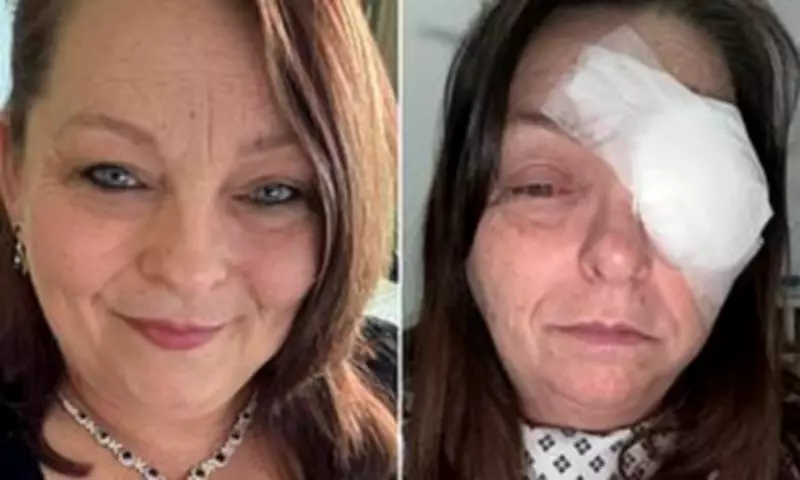
Mother-of-Six Receives Devastating Eye Cancer Diagnosis After Vision Problems
A mother-of-six from Swindon has shared her harrowing experience after being diagnosed with a rare and incurable form of eye cancer. Tammy Jackson, aged 51, initially dismissed a series of strange visual disturbances before learning she had choroidal melanoma in her right eye.
Initial Symptoms and Dismissal
Ms Jackson, who works as a funeral adviser, first noticed a flash in her vision on September 22, 2025, while making tea at work. She assumed it might be a fly, but similar flashes recurred in the following days. Prior to this, her eyesight was normal aside from a lazy eye, a birthmark, and typical strain from aging and computer use. She had even undergone a routine eye test earlier in 2025 where nothing unusual was detected.
Rapid Deterioration and Medical Referral
On September 27, Ms Jackson woke to find a black dot the size of a five pence piece obstructing her central vision, resembling smeared wet paint. She promptly visited her local Boots Opticians, where swelling was observed in her right eye. Suspecting a detached retina or something more sinister, she was referred to Great Western Hospital. However, administrative delays meant her scans weren't immediately available, postponing further assessment until September 29.

Diagnosis of Choroidal Melanoma
At Great Western Hospital, tests focused intensely on her right eye, leading to a transfer to Moorfields Eye Hospital in London for specialist care. By her follow-up on October 9, her condition had worsened rapidly:
- The blind spot expanded to the size of a ten pence piece
- Fluid leakage and increased swelling occurred
- Headaches became frequent
After seven hours of tests at Moorfields, she was diagnosed with a small choroidal melanoma, a rare uveal melanoma with about 600–700 new UK cases annually. Unlike skin melanomas, it's not typically linked to sun exposure. Using the Moles Scoring Chart, doctors identified four high-risk factors, confirming a high suspicion of cancer.
Emotional and Family Impact
The diagnosis took a heavy mental toll. Ms Jackson, familiar with death through her work, began planning her funeral details. Telling her four children and two step-children was particularly gut-wrenching, compounded by a family history of cancer that made her fear her life was over.
Treatment and Recovery
Treatment began on November 13 with ophthalmic plaque brachytherapy, involving a radioactive disc sewn over her eye. Due to early detection, the plaque was removed after just a day-and-a-half, though recovery was brutal with swelling, blistering, and intensive eye drop regimens. Her prognosis is now good, with a follow-up scheduled for May to assess treatment effectiveness, likely requiring regular checks thereafter.
Lifelong Implications and Urgent Warning
Ms Jackson's vision has improved but not fully recovered. Consultants informed her the cancer will always be present, with eye removal as the only complete cure—an extreme option unlikely due to early intervention. She emphasizes the critical importance of eye health:
"The number one thing: If you're due an eye test, have it done. It's really not worth putting it off... With Boots getting me seen so quickly and by doing the referrals – it sounds dramatic – but it's saved my eye, but potentially also saved my life."She hopes her story will encourage others to seek timely medical attention, potentially saving lives through increased awareness and proactive care.