
BBC Radio 6 Music presenter and The One Show host Lauren Laverne has announced she has been given the all-clear following cancer treatment. The 46-year-old revealed the news in an Instagram post on Tuesday, saying she will return to work this week.
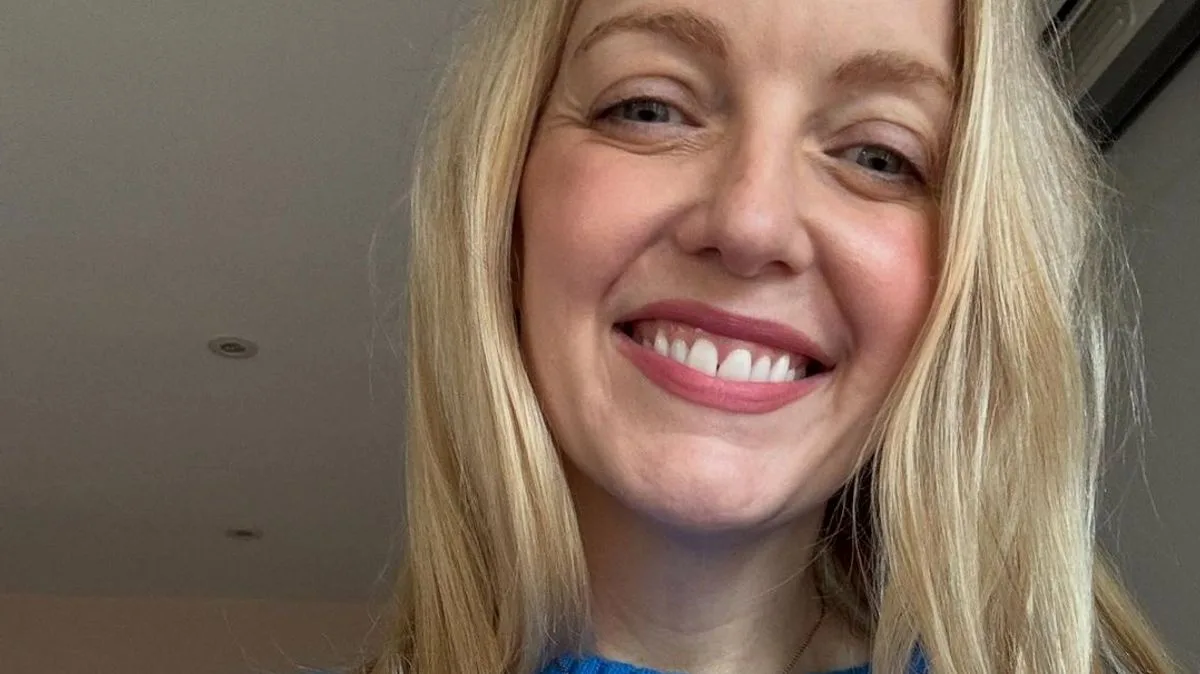
Laverne, who was diagnosed with cancer in August after it was caught early during a screening test, shared a selfie wearing a sweater emblazoned with the words 'Life is beautiful'. She wrote: 'After taking some time off to get better I've had the all clear and will be back to work on your TV this Tuesday with the wonderful @bbctheoneshow team.'
The broadcaster also confirmed she has been working on new episodes of Desert Island Discs for BBC Radio 4 and is looking forward to returning to BBC Radio 6 Music in the New Year. She thanked her medical teams, family, and friends for their support, adding: 'It's been a difficult time but one that has taught me so much about what really matters.'
Fans flooded the comments with messages of support, with one writing: 'Marvellous news, will be lovely having you back on the airwaves again.' Another said: 'Best news ever Lauren! What a trooper. Can't wait to be listening to you again soon on Radio 6.'




