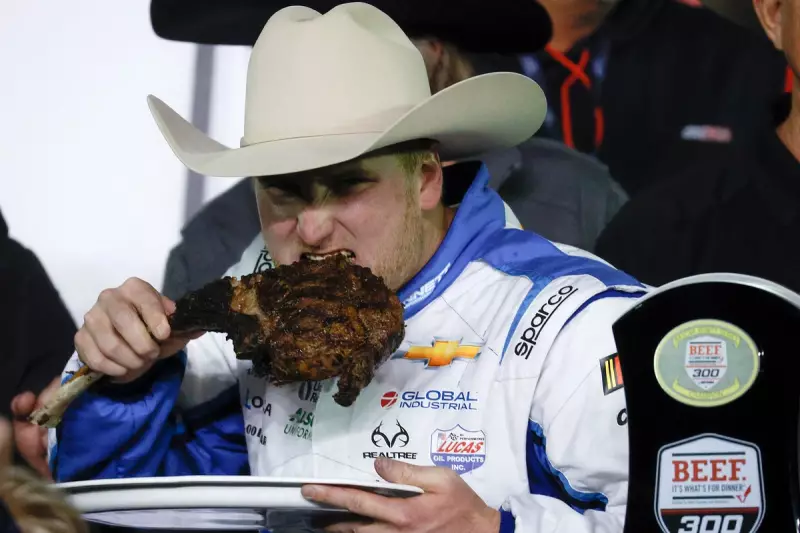
The Trump administration has unveiled a controversial overhaul of America's national dietary guidance, placing a renewed emphasis on consuming red meat and dairy products. The new 'inverted pyramid' model, supported by a panel with links to the beef and dairy industries, prioritises protein and healthy fats, marking a stark departure from decades of public health advice.
The New Pyramid and Expert Backlash
Unveiled on Wednesday 14 January 2026, the guidelines were championed by Health and Human Services Secretary Robert F. Kennedy, Jr., as a return "to the basics." Kennedy asserted that "protein and healthy fats are essential and were wrongly discouraged in prior dietary guidelines," adding, "We are ending the war on saturated fats."
However, this shift has drawn immediate criticism from leading nutrition scientists. Christopher Gardner, a nutrition expert at Stanford University, expressed strong disappointment, telling NPR that featuring red meat and saturated fat at the top of the pyramid "does go against decades and decades of evidence and research." While experts support moving away from ultra-processed foods, the promotion of saturated fat-laden red meat is seen as a dangerous step.

Understanding the Health Risks of Red Meat
Extensive research, including studies from Harvard, has consistently linked regular red meat consumption to a higher risk of heart disease, cancer, type 2 diabetes, and premature death. The primary culprits are the saturated fats, which can raise levels of harmful cholesterol in the blood.
Furthermore, cooking methods matter. The MD Anderson Cancer Centre notes that grilling or frying meat at high temperatures can create harmful chemicals that may damage DNA. To mitigate risk, experts advise avoiding charring and cooking meat below 300 degrees Fahrenheit (149°C).
Dr. Frank Hu, chair of the Department of Nutrition at Harvard Medical School, summarised the consensus in 2020: "The evidence shows that people with a relatively low intake have lower health risks."
Nutritional Value vs. Recommended Limits
Red meat does provide essential nutrients, including iron, zinc, and vitamin B12, which support oxygen transport, immune function, and nerve health. It is also a rich protein source, offering 20-25 grams per 100-gram serving.
Nevertheless, moderation is key. Brad Biskup, a cardiovascular specialist at the Hartford HealthCare Heart & Vascular Institute, recommends eating red meat no more than twice per week, opting for lean, antibiotic-free cuts. The World Cancer Research Fund International advises limiting consumption to three portions weekly, with a standard serving being about 85 grams (3 ounces).
Most Americans already exceed their protein requirements. The recommended intake is 0.8 grams per kilogram of body weight, yet federal data shows adults consume roughly 20% more. Organisations like the American Heart Association continue to urge the public to "prioritise plant-based proteins, seafood and lean meats" and limit high-fat animal products linked to cardiovascular risk.
The new US guidelines have ignited a crucial debate, pitting a political push for dietary simplicity against a substantial body of medical evidence advocating for caution with red meat.