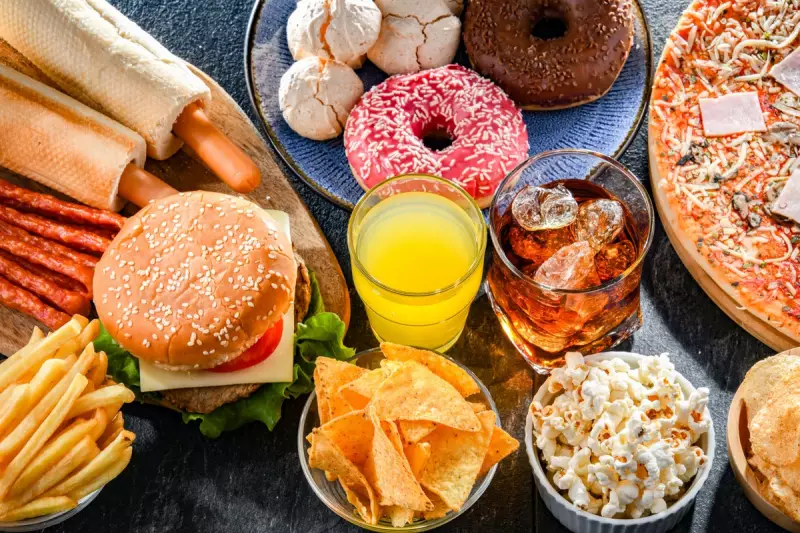
A major new ban on advertising for foods high in fat, salt, and sugar (HFSS) has come into force across the United Kingdom, marking a significant step in the government's strategy to tackle childhood obesity.
What the New Advertising Rules Mean
The crackdown, which took effect from Monday 5 January 2026, prohibits adverts for so-called 'less healthy' products on television before the 9pm watershed. It also imposes a total ban on such advertising online at any time. This move follows a previous voluntary ban by advertisers introduced in October and a separate restriction on 'buy one get one free' promotions for unhealthy items in supermarkets.
Under the new mandatory rules, advertisers who fail to comply risk enforcement action by the Advertising Standards Authority (ASA). The policy targets products across 13 specific categories deemed most influential in childhood obesity. These include:

- Chocolates, sweets, and ice cream
- Pizzas and other ready meals
- Breakfast cereals and porridges with added sugar
- Sweetened bread products and some sandwiches
- Soft drinks
Products are first assessed to see if they fall into one of these categories. They are then scored based on their nutrient profile to determine if they are 'less healthy', specifically if they are high in saturated fat, salt, or sugar. Only items meeting both criteria face the advertising restrictions.
Expert Reaction and Industry Response
Public health experts have welcomed the watershed ban, though some argue it is "long overdue". Professor Katherine Brown of the University of Hertfordshire noted that children are highly susceptible to marketing and that exposure increases their risk of obesity and chronic diseases. She criticised the three-year delay in implementation, citing "repeated delays, cutbacks and industry pressure".
Professor Brown added that while valuable, these restrictions must be part of a "long-term, comprehensive strategy" that also addresses health inequalities and makes nutritious food more affordable and accessible.
The government has stated that the ban will encourage the food industry to reformulate products. Adverts for healthier versions of items within the banned categories, such as plain porridge oats, are still permitted. The rules also allow brand advertising, provided the specific unhealthy product is not identifiable to viewers.
The Scale of the Obesity Challenge
The government estimates this advertising ban will prevent approximately 20,000 cases of childhood obesity. The latest figures paint a stark picture of the nation's health: one in ten children starting school are obese, and one in five have tooth decay by age five.
Obesity is a major risk factor for serious conditions including Type 2 diabetes, heart disease, and certain cancers. It is estimated to cost the NHS more than £11 billion annually. Evidence consistently shows that children's exposure to adverts for unhealthy food directly influences their dietary habits from a young age, increasing their likelihood of becoming overweight.
The Food and Drink Federation (FDF) has responded by highlighting its members' progress, claiming their products now contain a third less salt and sugar and a quarter fewer calories compared to a decade ago. The industry body reaffirmed its commitment to helping consumers make healthier choices.