Seven Fabulous Forgotten Superfoods: Beyond Blueberries and Kale
When we think of superfoods, avocados, turmeric, and quinoa often come to mind—dietary heroes boosted by savvy marketing. Yet, many nutrient-rich foods have been unfairly sidelined. The concept of a superfood is largely driven by trends, as seen with the recent comeback of cottage cheese. But what about other forgotten gems that once graced British tables? Experts argue that true health lies not in single ingredients but in dietary diversity. Here are seven overlooked superfoods worth rediscovering.
Peas: The Criminally Overlooked Pulse
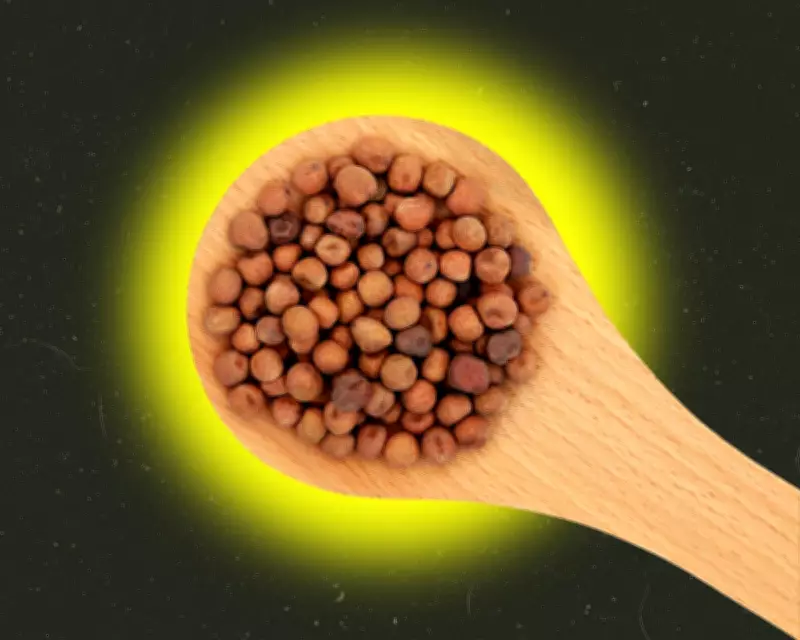
While beans get plenty of attention, peas are often neglected. Dried varieties like carlin and marrowfat peas, once staples for Neolithic farmers, are high in fibre and plant-based protein. Josiah Meldrum of Hodmedod's notes they were stigmatised as poverty food during industrialisation, but their nutritional value is immense. Nutritional therapist Xuxa Milrose highlights their versatility, suggesting they can be boiled for snacks or used like avocado on toast.
Prunes: The Old-Fashioned Powerhouse
Prunes, popular in Elizabethan and Victorian times, are rich in fibre, polyphenols, and sorbitol, which aids digestion. Despite their laxative reputation, they offer vitamins like copper and potassium and help maintain bone density in postmenopausal women. Milrose recommends adding them to porridge or desserts for a fibre boost.

Blackcurrants: The Vitamin C Champion
Blackcurrants surpass oranges in vitamin C content and are packed with anthocyanins, antioxidants that reduce free radical damage. Historically used in wartime cordials, they've been overshadowed by imported berries. Food historian Annie Gray advocates growing them at home, though dietitian Bini Suresh cautions that juice lacks the fibre of whole fruit.
Quark: The High-Protein German Curd
Quark, a soft cheese similar to cottage cheese, is higher in protein and lower in calories. Popular in Germany since the 14th century, it remains underrated in the UK. Suresh notes its value for combating age-related muscle loss, and it can be used in both sweet and savoury dishes.
Sprouts: The Concentrated Bioactive Plants
Alfalfa and broccoli sprouts, trendy in the 70s, are dense in bioactive compounds like glucoraphanin, which converts to anti-inflammatory sulforaphane. While food safety concerns exist, sourcing from reputable suppliers and proper cooking can mitigate risks, though raw consumption is advised with caution.
Liver: Nature's Multivitamin
Once a British staple, liver is rich in iron, B vitamins, and vitamin A, making it a potent nutrient source. Suresh calls it one of the most nutrient-dense foods, beneficial for iron deficiency. However, moderation is key due to risks of vitamin A toxicity and gout triggers.
Emmer: The Ancient Nutritious Grain
Emmer, an ancestor of durum wheat, is high in fibre and flavour, with a nutty taste. Meldrum explains it's less suited to conventional farming, limiting its popularity. It can substitute for rice or couscous, promoting dietary diversity.
Ultimately, a super diet hinges on variety, not just trendy foods. As Meldrum notes, historical diets were more diverse, and revisiting these forgotten superfoods can enrich our modern eating habits.