Scrambled Eggs Showdown: Microwave vs Hob Cooking Methods Compared
Scrambled Eggs: Microwave vs Hob Cooking Test Results

Scrambled Eggs Showdown: Microwave Versus Hob Cooking Methods

Scrambled eggs represent a beloved staple in countless households, serving as an ideal breakfast or lunch option that is both nutritious and satisfying. However, the methods for preparing this classic dish can vary significantly, leading to distinct outcomes in texture, flavour, and overall quality. In a hands-on culinary experiment, I rigorously tested two popular techniques: the quick microwave method and the traditional hob approach, to determine which yields superior results.

The Experimental Setup: Ensuring Fair Comparison

To guarantee a fair and accurate comparison, I maintained consistency across both cooking methods. Each batch utilised exactly two fresh eggs, combined with a measured amount of milk and a pat of butter for richness. The only variable introduced was the cooking appliance itself. I meticulously monitored key factors including total cooking duration, overall ease of preparation, and the critical element of final taste and texture. This structured approach allowed for a clear, unbiased evaluation of each method's strengths and weaknesses.

Microwave Method: Speed and Convenience

For the microwave preparation, I employed a standard measuring jug. After cracking two eggs into the vessel, I whisked them thoroughly before incorporating the milk and butter, whisking again to ensure a homogenous mixture. I allowed the blend to settle briefly before placing it in the microwave, where it cooked for precisely two and a half minutes. The process was remarkably quick and virtually fuss-free, with the eggs ready almost simultaneously with toasted bread.

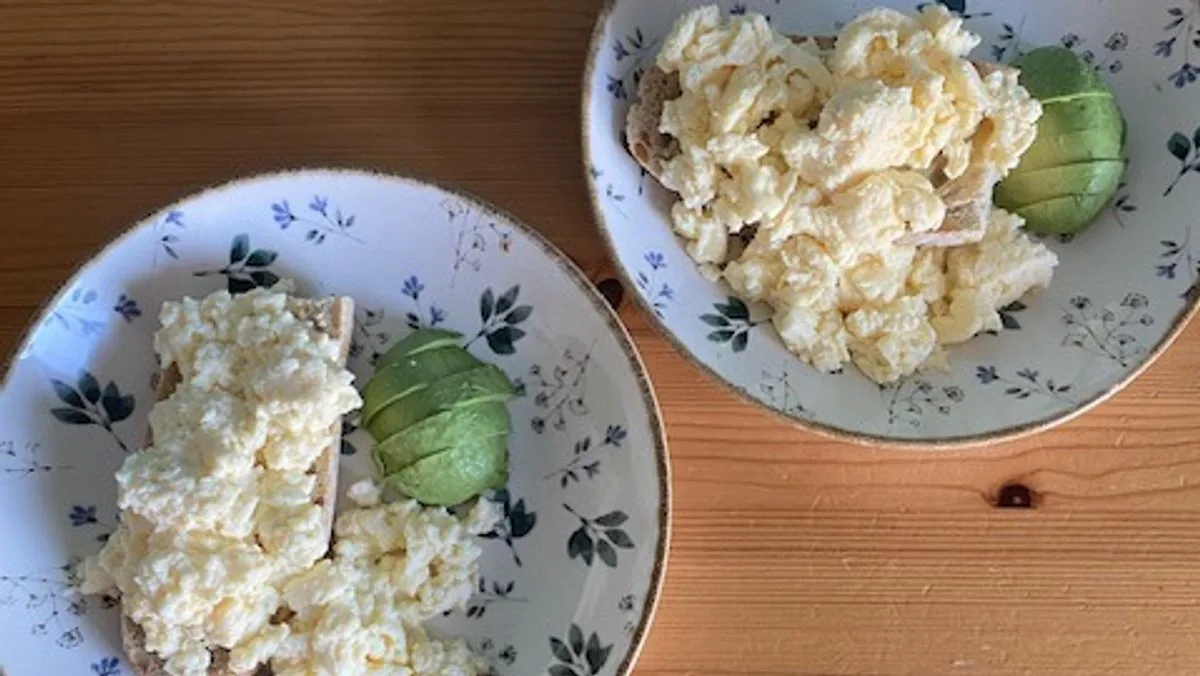
The resulting scrambled eggs were fully cooked but presented a noticeably thicker and denser consistency. They tended to clump together within the jug, requiring gentle separation with a spoon. While the flavour was pleasant, the texture lacked the expected creaminess typically imparted by the dairy ingredients, resulting in a more solid, compact final product.

Hob Method: Traditional Technique and Superior Texture

Adhering to the same ingredient list for fairness, I prepared the hob version by cracking two eggs into a non-stick pan, whisking them with milk and butter directly in the cooking vessel. Using an electric hob set to a gentle, low heat, I stirred the mixture constantly with a wooden spoon to prevent sticking and ensure even cooking. This method demanded considerably more patience, as the eggs remained runny for an extended period.

The total cooking time reached nine minutes, significantly longer than the microwave's two and a half minutes. However, this additional time investment yielded a dramatically different outcome. The scrambled eggs achieved a luxuriously creamy, fluffy, and light texture, with the butter and milk flavours shining through distinctly. The final product was far more decadent and aligned with classic scrambled egg expectations.

Final Verdict: Time Versus Taste

If time is not a constraint, cooking scrambled eggs on the hob is unequivocally the superior choice. The method produces eggs that are significantly creamier, fluffier, and more flavourful, offering a truly indulgent meal experience. The gentle, continuous cooking allows the proteins to set softly, retaining moisture and richness.

Conversely, the microwave method excels in speed and convenience, producing edible scrambled eggs in a fraction of the time. This option is ideal for those with tight schedules or who prefer a firmer, more compact egg texture. While it sacrifices some creaminess, it remains a viable and quick alternative for busy mornings.

Ultimately, personal preference dictates the best method. For a creamy, soft scramble, the traditional hob technique is recommended. For a faster, denser result, the microwave provides a practical solution. Both methods have their place in the modern kitchen, depending on the cook's priorities of time versus taste.