Retro Foods Stage Surprising Health-Focused Comeback
The 1970s was a decade when culinary experimentation often produced questionable results. Salads were encased in wobbly jelly, fruit was mixed into savoury dishes with reckless abandon, and processed frozen foods began their relentless march into British kitchens. Given this legacy, the prospect of reviving prawn cocktails and Spam fritters might not sound particularly appetising. However, in a surprising twist, several much-maligned ingredients from that era are experiencing a remarkable resurgence, now being touted as health foods and fashionable culinary staples.
From Butcher's Cuts to Trendy Delicacies
Gym enthusiasts are whipping cottage cheese into protein-packed pancakes, while other divisive ingredients like tripe are becoming unexpectedly fashionable. Once considered a cheap butcher's cut typically boiled with onions, tripe is now being incorporated into flavourful curries and Korean-inspired barbecue dishes by adventurous foodies. Even humble cabbage has achieved Instagram-friendly status, provided it appears as artfully charred wedges floating in broth, demonstrating that presentation remains paramount in modern food culture.
Rediscovering Retro Staples with Modern Twists
If the thought of reviving grocery staples from the 1960s, 1970s, and 1980s prompts nostalgic memories, here is how to rediscover these retro foods and genuinely enjoy them in contemporary contexts.

Corned Beef
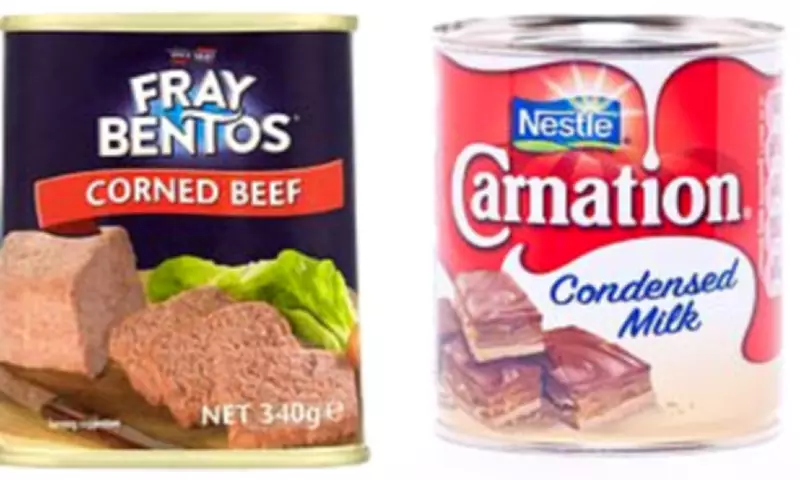
Traditionally a cheap and cheerful protein source enjoyed in sandwiches or served with mashed potatoes and vegetables during the 1970s, corned beef is becoming a trendy ingredient in 2026. Modern preparations involve cooking it down into a crispy hash and serving it with rice and eggs in Filipino-style breakfast dishes, such as those offered by establishments like Almusal UK.
Condensed Milk
Once a popular dessert ingredient used in creamy jellies or poured over sweet treats, condensed milk has shifted its focus from desserts to beverages. Contemporary recipes often feature it in Vietnamese-inspired coffee drinks, maintaining its signature sweetness while adapting to modern taste preferences.
Tripe
Historically a British comfort food consisting of cow's stomach lining cooked with onions, milk, and water, then thickened with butter and flour, tripe is enjoying a significant comeback. As younger consumers move away from meat cut snobbery and embrace more divisive animal parts like trotters and chicken feet, tripe is being revitalised through flavourful curries and East Asian-inspired barbecues, rather than traditional boiling methods.
Tapioca
Nicknamed 'frog spawn' due to its distinctive appearance, tapioca pudding was a school dinner staple from the 1950s through the 1980s. While the dessert itself is experiencing a revival, tapioca is now more commonly used to create boba pearls for bubble tea. Originating in Taiwan during the 1980s, bubble tea cafes have proliferated across British high streets since the early 2010s, becoming fashionable hangout spots for teenagers and experiencing stratospheric growth driven by social media platforms like TikTok.
Yoghurt
Pre-packaged yoghurts gained popularity in the UK during the 1960s with brands like Ski, followed by Müller corners revolutionising the market in the 1980s. In 2026, yoghurt is typically served in aesthetically pleasing bowls adorned with fruits, nuts, syrups, jams, nut butters, and seeds, reflecting contemporary emphasis on both nutrition and presentation.
Beetroots
Traditionally part of the common 'meat and two veg' diet, beetroot was easily grown in gardens or allotments and enjoyed pickled or boiled. Today, its striking colour makes it perfect for modern culinary applications, frequently blended into whipped feta pastes and vibrant pink pasta sauces.
Cabbage
Long a British cuisine staple typically boiled and served as a side dish with roasts or mixed into mash, cabbage has been reinvented in 2026. Dubbed 'the year of the cabbage' by food influencers, contemporary preparations include grilling, charring, creating fashionable slaws with microgreens, using leaves as dumpling wrappers, and fermenting into kimchi.
Cottage Cheese

Praised for its high protein and low calorie content since the 1960s and 1970s, when it was typically served on Ryvita crackers with fresh fruit, cottage cheese remains a diet food but with expanded applications. It is now utilised in protein pancakes and whipped pasta sauces. Tesco has reported a 200 percent increase in demand over the past two years, attributing this resurgence to TikTok food trends that have significantly boosted the UK dairy industry.
Semolina
Another ingredient likely to evoke school dinner memories, semolina was traditionally used in creamy milk-based puddings. Today, it is more commonly recognised as a flour for making fresh pasta, flatbreads, and doughs, and is often sprinkled on pizza crusts.
Tinned Fish
Popularised in the 1980s as a quick, cheap protein source typically used in sandwich spreads or on toast, tinned fish has enjoyed a renaissance since 2020. Now often sold with colourful artwork and featured in numerous social media recipes, it appears in rice bowls with fresh vegetables and seaweed, or on stylish charcuterie-style boards.
This culinary revival demonstrates how retro foods are being reimagined through modern health trends and social media influence, transforming once-maligned ingredients into fashionable, nutritious staples for contemporary consumers.