Nike Withdraws Boston Marathon Advert After Backlash Over 'Walkers Tolerated' Sign
Nike Removes Boston Marathon Ad After Backlash Over Sign

Nike Withdraws Controversial Boston Marathon Advertisement Following Backlash

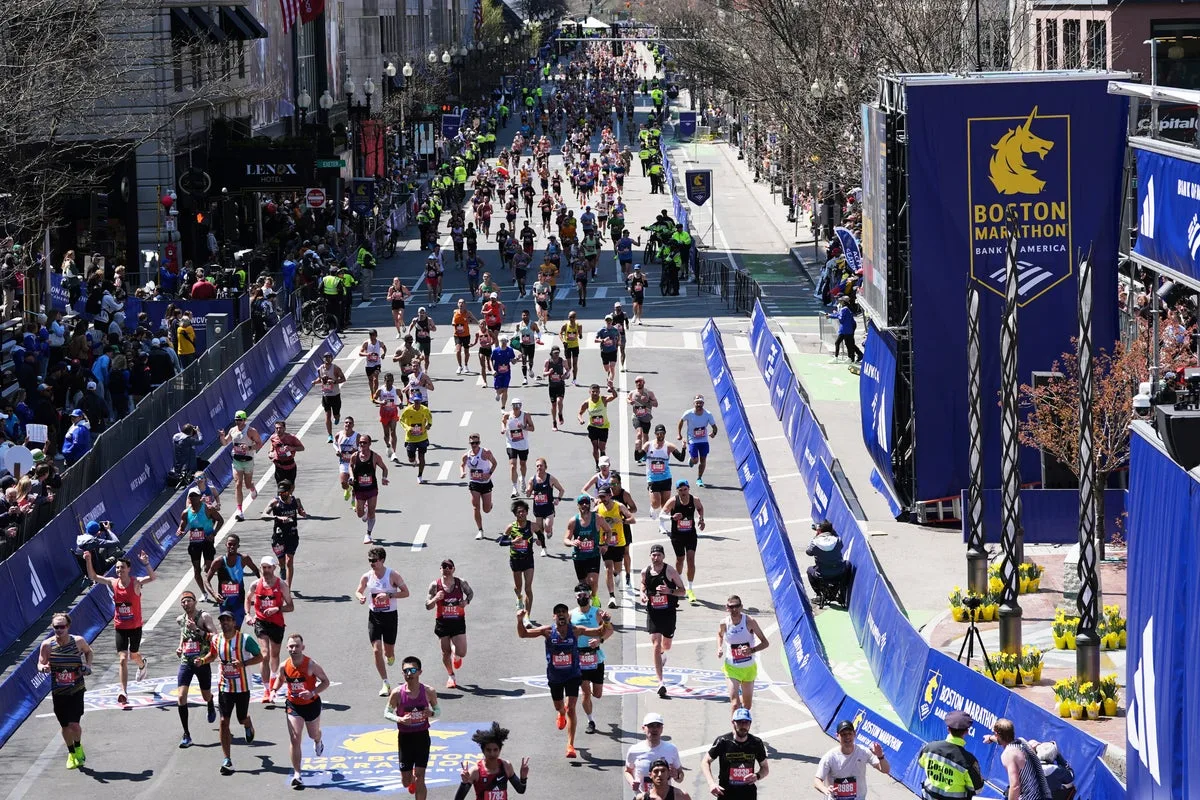
Nike has removed a controversial advertisement displayed at its Boston location ahead of the 2026 Boston Marathon after facing significant backlash from the running community. The sign, which read "Runners welcome, walkers tolerated," was prominently featured at the brand's Newbury Street store in the days leading up to one of road running's most prestigious marathon majors.

Swift Removal After Online Criticism

The advertisement attracted immediate criticism on social media platforms, with many runners accusing Nike of promoting exclusionary messaging that contradicted the sport's growing emphasis on inclusivity. The poster has now been taken down before Monday's race, which is notably sponsored by Nike's competitor, adidas.

On Friday, Nike released an official statement addressing the controversy: "We want more people to feel welcome in running—no matter their pace, experience, or the distance. During race week in Boston, we put up a series of signs to encourage runners. One of them missed the mark. We took it down, and we'll use this moment to do better and continue showing up for all runners."

Wide Pickt banner — collaborative shopping lists app for Telegram, phone mockup with grocery list

Context of the Boston Marathon's Elite Nature

The controversial advertisement referenced the Boston Marathon's historic reputation as one of the most difficult races to qualify for, requiring stringent time standards that vary by age and gender. For the 2026 event, men aged 18-34 needed to have completed a previous marathon in at least 2 hours and 55 minutes, while women in the same category required a time of 3 hours and 25 minutes.

Despite these elite qualifications, many runners pointed out that walking during a marathon is a common occurrence, even among highly trained athletes. Factors that frequently force runners to slow or stop include:

  • Hitting "the wall" during the grueling 26.2-mile distance
  • Unexpected injuries during the race
  • Inadequate fueling strategies
  • Challenging weather conditions

Mixed Reactions from the Running Community

Most criticism focused specifically on the word "tolerated," which many felt implied walking was something to be ashamed of rather than a legitimate strategy. Numerous social media users emphasized that walking during a marathon, when necessary, should not carry any stigma.

However, some within the running community offered more nuanced perspectives. Dr. Hussain Al-Zubaidi, who originally posted a photograph of the controversial sign, acknowledged that while he felt "uneasy" with the advertisement's wording, it connected to the "distinct performance culture" surrounding the Boston Marathon.

"From that perspective, you could argue this is highly targeted, even strategic, marketing," Dr. Al-Zubaidi stated, suggesting the advertisement might have been intentionally provocative within the context of Boston's competitive running environment.

The incident highlights ongoing tensions within running culture between celebrating elite performance and promoting broader participation, particularly as major brands like Nike navigate marketing strategies that resonate with diverse segments of the running community.

Pickt after-article banner — collaborative shopping lists app with family illustration