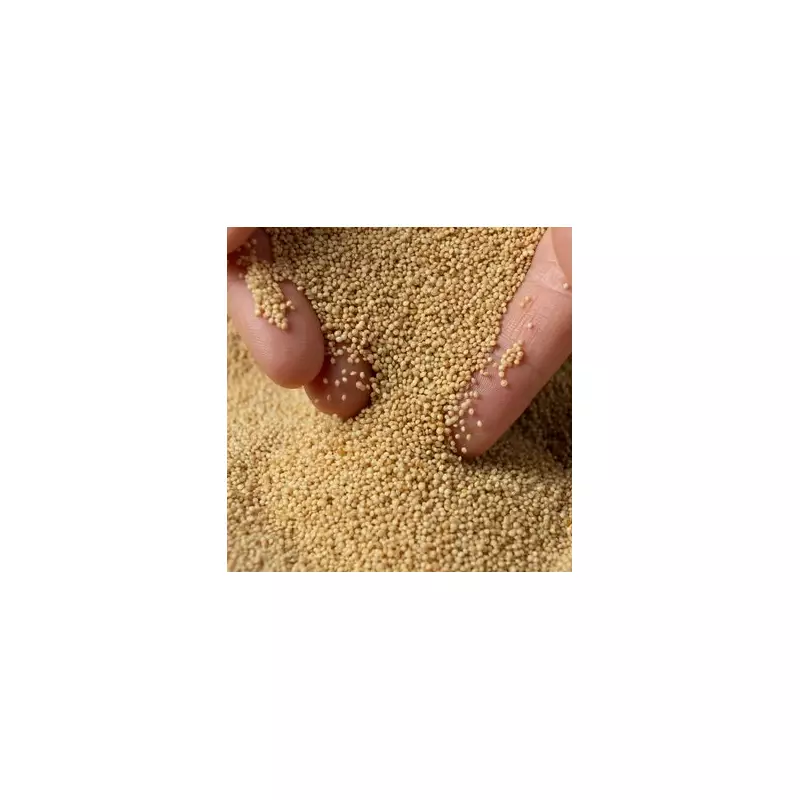
Carbohydrates are frequently misunderstood, but nutritionists agree that not all carbs are created equal. While ultra-processed options offer little, wholesome whole grains are a cornerstone of a balanced diet. Beyond the familiar brown rice and trendy quinoa lies a lesser-known nutritional powerhouse: amaranth, an ancient seed once revered by the Aztecs and Incas for its supposed supernatural properties.
What Makes a Carbohydrate Truly Healthy?
The key distinction between healthy and unhealthy carbohydrates lies in processing. Whole grains, which include seeds like amaranth and quinoa, retain all three parts of the original kernel: the fibre-rich bran, the nutrient-dense germ, and the starchy endosperm. In contrast, refined grains are stripped down to just the endosperm, losing most of their nutritional value in the process.
Registered dietitian Ashli Greenwald explains to John Hopkins Medicine that whole grains are packed with B vitamins, minerals like iron and magnesium, and phytonutrients. These plant-based compounds can reduce inflammation and may lower the risk of developing serious conditions such as heart disease, diabetes, and certain cancers.

Amaranth: The Nutritional Powerhouse You're Missing
Often called the 'food of immortality' by the Aztecs, amaranth is technically a seed but boasts a nutritional profile that rivals and often surpasses traditional grains. This gluten-free ancient crop is a complete protein, containing all nine essential amino acids, including lysine, which is rare in most grains.
Research, including a 2020 review in Critical Reviews in Food Science and Nutrition, highlights its impressive credentials. Amaranth provides more protein than rice or corn, is an excellent source of fibre, and delivers essential minerals like calcium and iron. It also contains vitamin C, folic acid, and beneficial antioxidants, as noted in a separate 2019 study.
How to Incorporate Amaranth Into Your Meals
With a mild, nutty flavour, amaranth is incredibly versatile for both sweet and savoury dishes. A simple start is to use it as a porridge base instead of oats. Chef-instructor Ann Ziata recommends combining cooked amaranth with dates, almonds, apricots, sesame seeds, cinnamon, and maple syrup for a hearty breakfast.
It is readily available in the UK from retailers like Holland & Barrett, where a 500g bag costs £3.69, or on Amazon where 1kg bags start from £8.99. Amaranth is also sold as flour and flakes, expanding its culinary uses.
Six simple ways to enjoy amaranth include:
- Porridge: As a creamy base or sprinkled as toasted flakes for crunch.
- Popped: Dry-toast the seeds in a pan like miniature popcorn for a snack.
- Baking: Use amaranth flour for gluten-free breads and cakes.
- Pancakes: Add texture and nutrients to sweet or savoury batters.
- Salads: Use the cooked seeds or the plant's slightly sweet green leaves.
- Grain Blends: Mix its starchy texture with brown rice or other grains.
By exploring this ancient superfood, you can add a delicious and profoundly nutritious element to your modern diet, connecting with a culinary history that spans millennia.