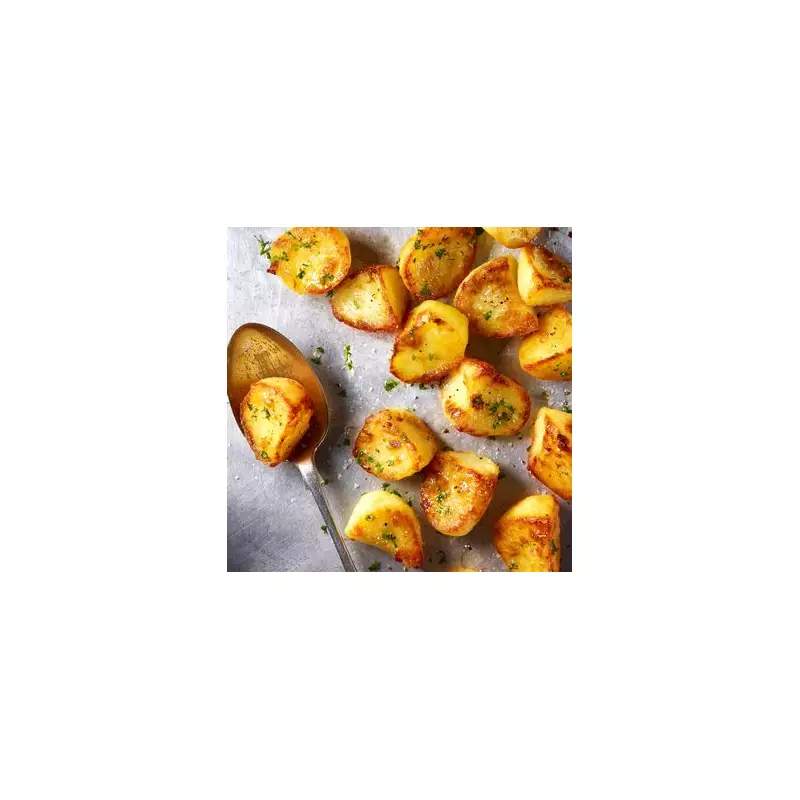
For many across the UK, the quest for the perfect roast potato is a culinary holy grail. Achieving that sublime combination of a fluffy interior and a shatteringly crisp, golden exterior can feel elusive. However, one food writer claims to have cracked the code with a surprisingly simple, yet crucial, adjustment to a classic technique.
The Golden Rule: Patience During Parboiling
According to lifestyle reporter Mia O'Hare, who shared her findings on January 4, 2026, the secret lies not in the type of fat or oil used, but in the initial preparation stage. The critical step is extending the parboiling time to a full 20 minutes. While it may seem lengthy, boiling Maris Piper or similar potatoes until they are extremely soft and almost crumbly around the edges is the foundation for ultimate crispiness.
This prolonged cooking breaks down the outer surface of the potato, creating a rough texture when drained and shaken. It is this textured surface that crisps up magnificently in the hot oven. O'Hare emphasises that this step happens before the potatoes even see the roasting tray, making it the most important part of the process.

The Foolproof Method for Crispy Results
Following the extended parboil, a few additional steps ensure consistently excellent results. After draining the very soft potatoes in a colander, sprinkle over a tablespoon of plain flour. Then, give the colander a vigorous shake. This not only coats the potatoes but also bashes them, creating craggy edges and potentially some loose, crumbly bits.
Do not discard these crumbled bits – roasting them alongside the larger pieces yields deliciously crunchy morsels to scatter over the finished dish. The potatoes are then roasted in hot sunflower oil (preheated in a 180C fan oven) for 40 to 50 minutes, being turned every 15 minutes to ensure all sides become perfectly crisp.
Why This Method Works Every Time
The science behind this method is straightforward. The extended boiling causes the starches on the potato's surface to gelatinise more thoroughly. When shaken, this soft layer forms a sticky, starchy paste that, when coated in flour and exposed to high heat, dehydrates and solidifies into a crisp, golden shell. The rough edges increase the surface area, providing more space for that coveted crunch to develop.
This reliable technique, as reported from the Express, promises to elevate the humble roast potato from a mere side dish to the star of any Sunday lunch or festive dinner. By simply committing to a longer parboil, home cooks can achieve professional-level, consistently crispy results that will have everyone asking for seconds.