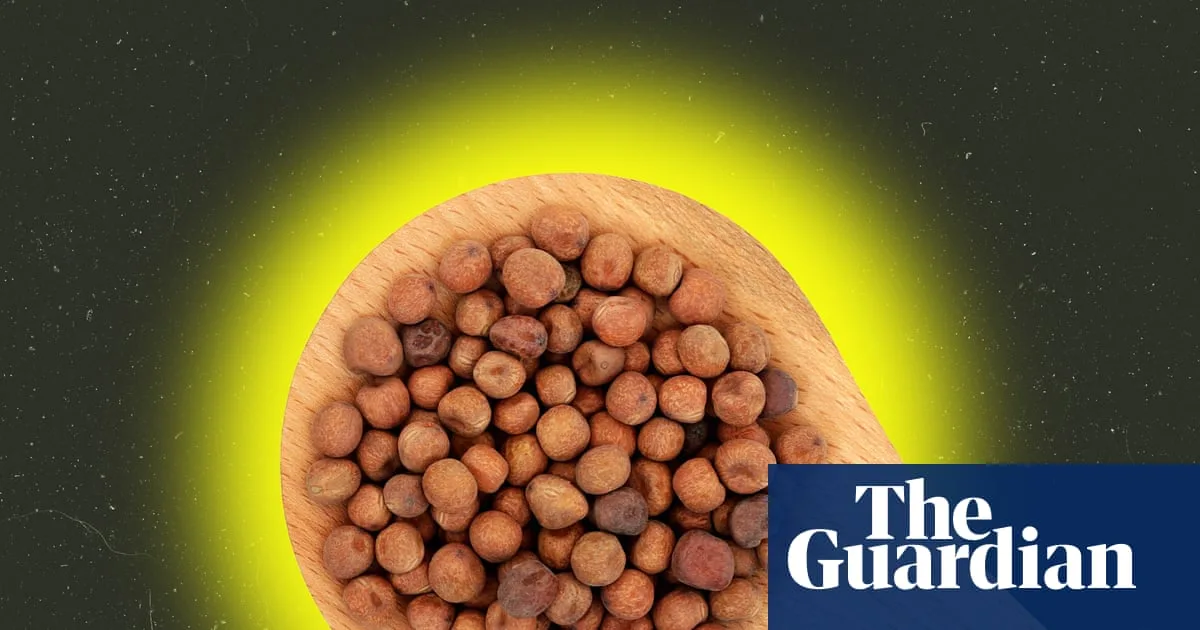
Amaranth: The Aztec 'Immortality' Grain That's Britain's Newest Superfood
Amaranth: The Ancient Superfood You Need to Try

Carbohydrates are frequently misunderstood, but nutritionists insist the right kind can be a powerhouse for health. While brown rice offers value and quinoa enjoys celebrity status, a far more ancient seed is quietly making a comeback: amaranth. Revered by the Aztecs and Incas, this gluten-free pseudo-grain is now being celebrated as one of the world's healthiest sources of carbohydrate.

What Makes a Carbohydrate Truly Healthy?

The key distinction between a healthy and an unhealthy carb lies in processing. Whole grains, which retain all three parts of the original seed, are the gold standard. As the British Dietary Association outlines, these parts are the fibre-rich bran, the nutrient-packed germ, and the starchy endosperm. Refined grains, which make up most supermarket products, keep only the endosperm, stripping away vital nutrients.

Registered dietitian Ashli Greenwald explained to John Hopkins Medicine that whole grains are loaded with B vitamins, minerals like iron and magnesium, and phytonutrients. These plant compounds can reduce inflammation and potentially lower the risk of heart disease, diabetes, and some cancers.

Amaranth: The Ancient 'Food of Immortality'

Technically a seed but consumed like a grain, amaranth boasts a formidable nutritional profile. The Aztecs reportedly called it the "food of immortality," and modern science helps explain why. It contains more protein than rice or corn and provides a complete amino acid profile, including lysine, which is rare in other grains.

A 2020 review in Critical Reviews in Food Science and Nutrition confirmed amaranth is an excellent source of fibre, protein, calcium, and iron. A separate 2019 study noted it also delivers vitamin C, folic acid, and beneficial antioxidants.

How to Bring Amaranth into Your Kitchen

With a gentle, nutty flavour, amaranth is versatile for both sweet and savoury dishes. A simple start is to use it as a porridge base instead of oats. Chef-instructor Ann Ziata recommends combining cooked amaranth with dates, sesame seeds, apricots, almonds, cinnamon, and maple syrup.

For UK shoppers, it's readily available. Holland and Barrett sell 500g for £3.69, while 1kg bags start from £8.99 on Amazon. It can also be purchased as flour or flakes.

Six simple ways to enjoy amaranth include:

  • Porridge: As a base or sprinkled as flakes for topping.
  • Popcorn: Pop the seeds in a dry pan on the hob.
  • Baking: Its gluten-free flour is ideal for baking.
  • Pancakes: Perfect for sweet or savoury recipes.
  • Salad: Its slightly sweet green leaves are edible.
  • With Other Grains: Mix its starchy texture with brown rice.

This ancient superfood, once believed to hold supernatural powers, now offers a modern solution for nutritious, balanced eating, proving that some of the best health foods have histories spanning millennia.