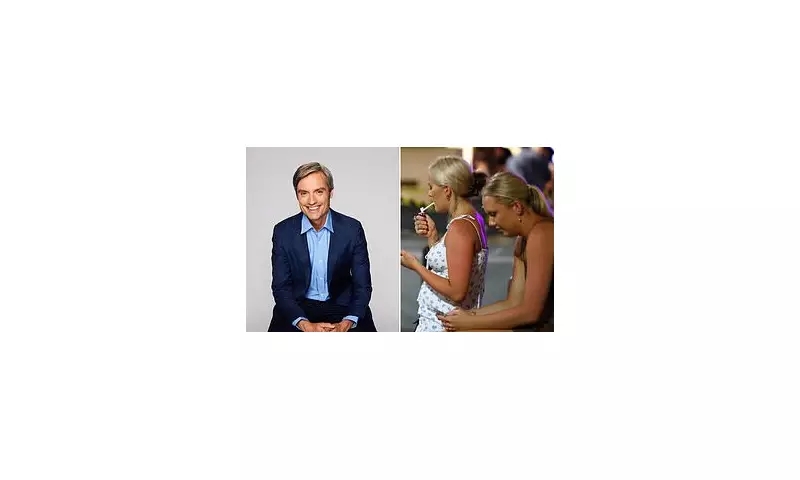
As the new year unfolds, a prominent health and longevity expert has issued a stark warning about the everyday habits undermining the wellbeing of Australians. Dr Nick Coatsworth has pinpointed ten common yet damaging issues, offering a practical roadmap for individuals seeking to make a tangible difference to their health in 2026.
The Sleep Saboteurs: Beyond Just Hours in Bed
Dr Coatsworth emphasises that the first major pitfall is a focus on sleep quantity over quality. Merely counting hours is not the best indicator of restorative sleep; the structure of our sleep matters most. Research consistently shows that individuals who fail to enter deep sleep phases report worse quality-of-life scores.
He advises that most modern wearables can track sleep structure. A lack of sufficient REM (rapid eye movement) and deep sleep should prompt consideration of a professional sleep study. Furthermore, a key habit to break for those battling insomnia is the use of devices before bed. "Scrolling within one hour of hitting the hay would be my number one habit to break," Dr Coatsworth states, noting that insomnia can derail all other health resolutions by sapping energy and motivation.

Dietary Dangers and the Sedentary Trap
The conversation around alcohol is perennial, but Dr Coatsworth clarifies its immediate impacts. Beyond long-term risks like cancer and dementia, alcohol's short-term effects are a significant barrier. It can lead to overeating, disrupt sleep architecture, and diminish the drive to exercise the following day. Strategies like 'zebra drinking'—alternating alcoholic and non-alcoholic beverages—and ceasing consumption two hours before sleep can help without demanding total abstinence.
Another growing concern is pesticide exposure in fresh produce. The 2025 blueberry controversy, which led to restrictions on dimethoate products, highlighted this issue. Regulators acted after assessments showed increased berry consumption raised chemical exposure risks even when farming guidelines were followed. While organic produce is ideal for those who can afford it, thorough washing of all fruit and vegetables is a crucial step for everyone to reduce surface pesticide residues.
Gut health is directly compromised by processed foods, defined by Dr Coatsworth as items with an unnaturally long shelf life. These foods disrupt the delicate balance of the gut microbiome. The solution lies in consuming fresh meat, vegetables, fish, and fruit. For busy families, initiatives like a 'clearing the fridge Friday' can minimise waste. Incorporating fermented foods like sauerkraut and kimchi also promotes a healthy gut.
Perhaps the most pervasive issue is inactivity. "If we're not moving constantly during waking hours, it's a problem," Dr Coatsworth asserts. He recommends setting a timer for 20-minute intervals during sedentary work to simply stand, stretch, and move major muscle groups. For dedicated exercise, he challenges the standard advice, suggesting that daily activity, even a walk, is necessary to build a habit and reap optimal benefits.
Mind, Vices, and Human Connection
Chronic stress acts as a constant background force, undermining other health efforts. Dr Coatsworth advocates for daily mindful breathing exercises, such as box breathing or the Wim Hof method, for a minimum of ten minutes over a fortnight to see results.
The dangers of smoking are well-known but require reiteration, especially with a rise in cheap illegal cigarettes. Smokers face a massively increased risk of lung cancer—around 14 times higher—and other cancers, alongside lifelong conditions like emphysema. Similarly, the trend of vaping among young Australians, often with high-nicotine illegal products, poses a significant cardiovascular threat. Nicotine triggers a constant 'fight or flight' response, and research indicates abnormal heart rate variability in e-cigarette users.

Finally, Dr Coatsworth addresses the profound health impact of loneliness and social isolation. It decreases mental stimulation, increases emotional stress, and even elevates the risk of heart disease. Recognising loneliness in oneself is difficult, so his advice is for those who are not lonely to proactively reach out to friends, family, colleagues, or neighbours. The gift of human contact, he concludes, makes all the difference.