Health Secretary Wes Streeting has delivered a stern ultimatum to striking doctors, giving them just one week to accept his pay deal before it is withdrawn. This dramatic move comes after what were described as "positive" pay negotiations with the British Medical Association collapsed at the eleventh hour.
Strike Action Looms After Talks Breakdown
The British Medical Association has announced a six-day NHS strike planned for England immediately following the Easter weekend, which health officials warn will lead to thousands of cancelled operations and significant service disruption. Resident doctors, formerly known as junior doctors, are scheduled to walk out at 7am on April 7.
Government's Diminishing Tolerance
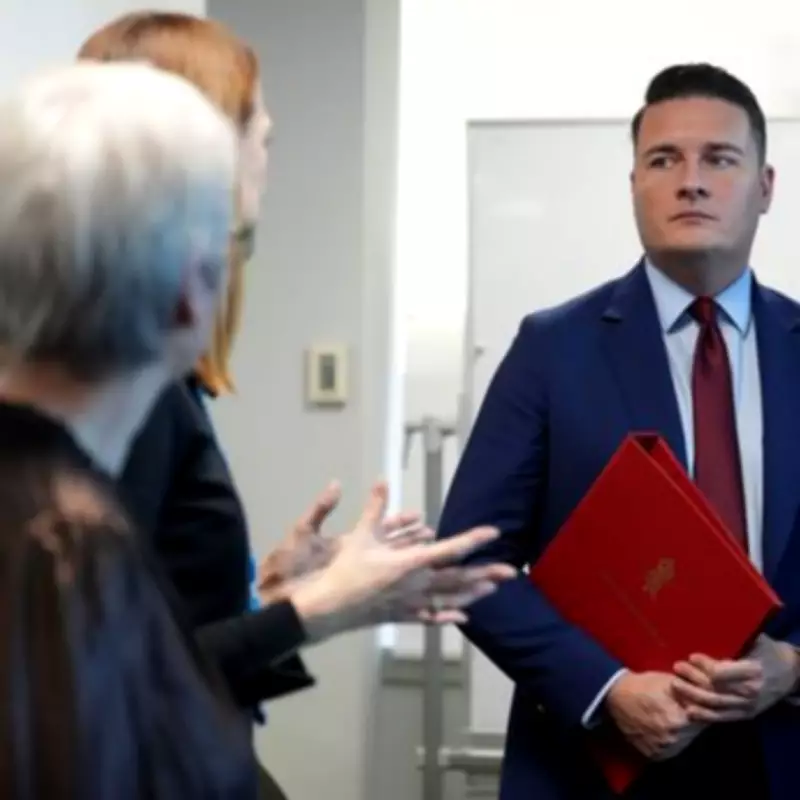
Speaking in the House of Commons, Mr Streeting declared that the Government's tolerance for doctors' strikes is "fast diminishing." He accused the BMA's Resident Doctors Committee of unilaterally rejecting the proposed deal instead of putting it to a vote by their members.

"As we ask the BMA to reconsider, they have until next Thursday to do so before we have to call time on the extra jobs and the focus of the NHS," Mr Streeting told MPs. "My department turns to minimising the disruption from this unnecessary and unwarranted strike action, which would also consume the money set aside for this deal."
The Pay Offer Details
The headline pay offer presented to resident doctors was 3.5% for the 2026/27 period, but Mr Streeting emphasized that the overall package of measures would have resulted in an average pay rise of 4.9%. The comprehensive proposal included reimbursement for exam costs and an additional 1,000 medical training places.
"I do not want resident doctors in three years' time to look back on this moment with regret as they turn down three years of guaranteed pay rises, more money in their pockets through reimbursement of exam fees and more jobs," the Health Secretary stated.
BMA's Counter-Claims
Dr Jack Fletcher, chairman of the BMA's Resident Doctors Committee, countered that the Government had made "last minute changes" to the deal, phasing in some aspects of the pay increase over three years. He expressed disappointment at what he called Mr Streeting's "misleading language" following what had been constructive negotiations.
"We repeatedly warned that by diluting the original investment over three years and coming in with a sub-par award the Government was heading towards a rejection by the full committee, which indeed happened," Dr Fletcher explained. "In making these last-minute changes, Government has risked snatching defeat from the jaws of victory."
NHS Leadership Expresses Disappointment
Sir Jim Mackey, chief executive of NHS England, described the situation as "incredibly disappointing" during a board meeting. "A fantastic amount of effort and work has been gone in on all sides to try and reach agreement," he said. "We felt very, very, very close that we had a deal that could work for all parties. It's incredibly disappointing that it fell to bits at the last minute."
NHS England finance director Glen Burley expressed shock at the committee's decision not to put the proposal to members. "We put forward what I feel is a really good offer to resident doctors... a huge amount of work from I and other colleagues in the negotiating team, and actually from the negotiating team of the BMA," he said.
The Core Dispute
The fundamental disagreement centres on pay restoration. The BMA has demanded a commitment to increase resident doctors' pay by 26% over the coming years, citing pay erosion since 2008. According to the retail price index measure of inflation, real terms salaries have decreased by approximately one-fifth since that time.
The Government counters that using the consumer price index, which excludes mortgage and permanent housing costs, shows average resident doctor salaries have fallen by just 5% since 2008. Ministers argue that their 2026/27 offer, combined with associated concessions, would mean resident doctors' earnings would have increased by £35,000 over four years.

Historical Context and Financial Impact
This dispute continues a pattern of industrial action that has plagued the NHS. The five-day walkout staged by resident doctors just before Christmas marked their 14th strike since March 2023. Each of the three five-day stoppages held since Labour took power in July 2024 has cost the NHS an estimated £250 million in additional expenses and lost productivity.
The Review Body on Doctors' and Dentists' Remuneration continues to advise the Government on appropriate pay rates for medical professionals, with ministers retaining final decision-making authority over whether to accept these recommendations.
With the one-week deadline rapidly approaching and strike action imminent, both sides appear entrenched in their positions. The coming days will determine whether a last-minute resolution can be reached or whether the NHS faces another prolonged period of industrial disruption during a time of considerable pressure on health services.