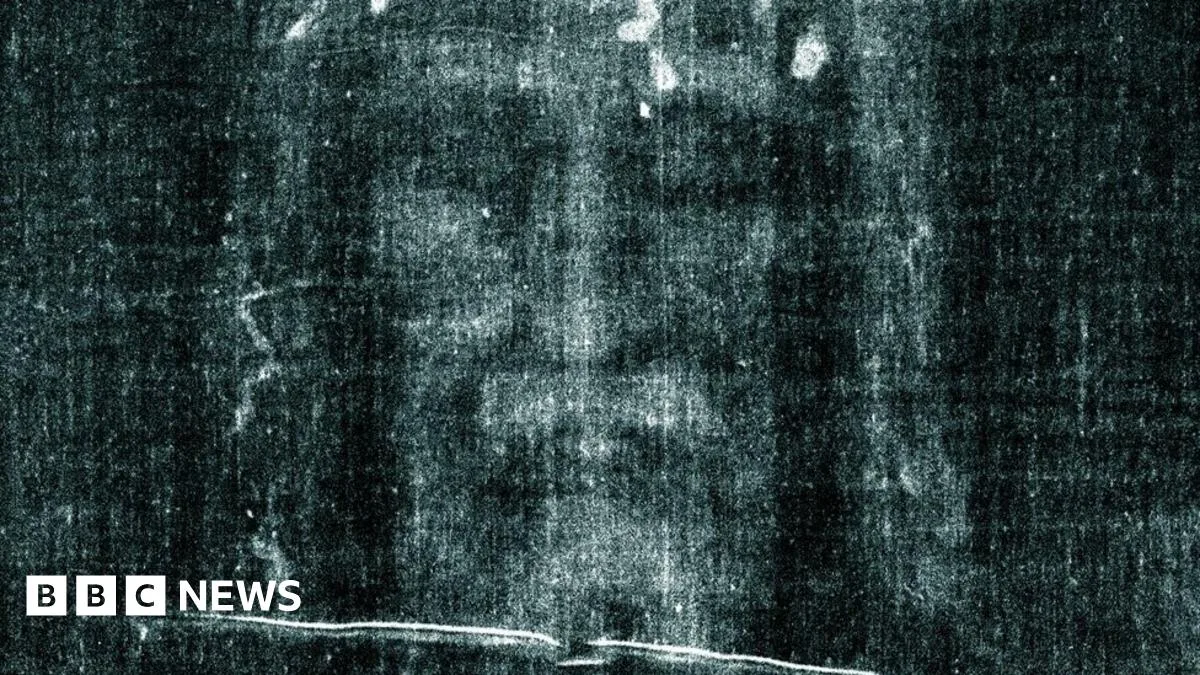
The Shroud of Turin, a linen cloth bearing the faint image of a bearded man with crucifixion wounds, continues to puzzle scientists despite decades of study. While some believe it to be the burial cloth of Jesus Christ, others dismiss it as a medieval forgery. The Catholic Church officially takes no stance on its authenticity, leaving it to scientific investigation.
In 1978, the Shroud of Turin Research Project (STURP) conducted extensive tests but found no clear explanation for how the image was formed. The coloration is not due to pigments or dyes, as chemical analysis revealed no such substances in sufficient quantities. Instead, the flax fibres themselves have darkened, and the colouring cannot be dissolved or altered by standard chemical agents. The STURP team concluded the image is that of a real crucified man, not an artist's creation.
Various theories have been proposed, including natural chemical reactions, medieval forgery techniques, and miraculous processes. One hypothesis by chemist Raymond Rogers suggested that moderate heat, around 40°C, could discolour carbohydrate compounds on the fibres, but this lacks supporting evidence. Another idea, from biologist Paul Vignon, proposed that ammonia from decomposing sweat could cause the discoloration.

Despite these theories, no consensus has been reached. The Shroud remains an enigma, with its image beyond the capabilities of modern technology to replicate or explain definitively. The debate continues, with the cloth serving as a focal point for both scientific inquiry and religious devotion.