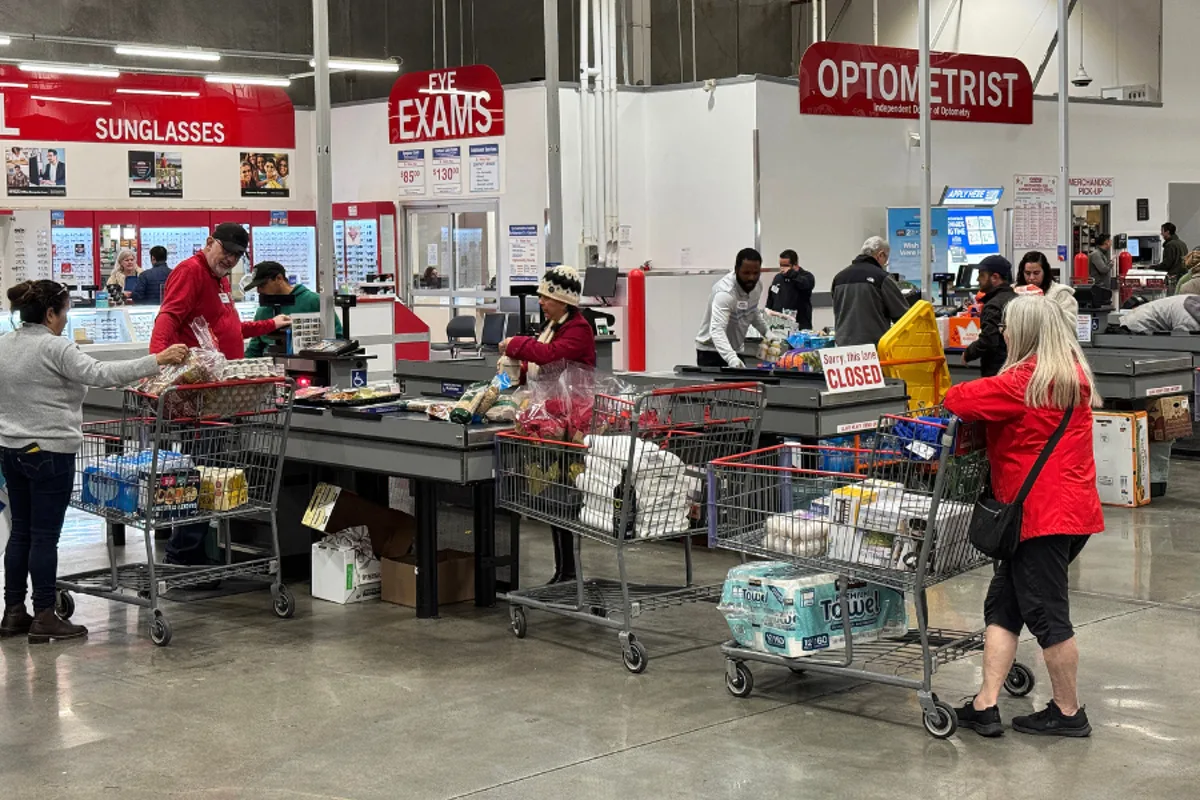
Costco Implements Innovative Checkout Technology to Combat Lengthy Queues
Long queues at Costco, frequently worsened by policies like membership card scanning at entrances, have persistently annoyed customers. However, the membership-only warehouse giant is now piloting a novel checkout system that could drastically reduce processing times to as little as eight seconds per shopper.
CEO Unveils Pre-Scanning Initiative to Enhance Efficiency
CEO Ron Vachris informed investors that the company has started deploying systems enabling employees to scan items in customers' carts before they reach the cashier. This initiative targets accelerating throughput and minimising errors, offering a distinct approach from the fully customer-operated 'Scan & Go' system used by competitor Sam's Club, where shoppers use an app to scan, pay digitally, and show a QR code at exits.
CFO Reports Dramatic Reduction in Transaction Times
During Costco's second-quarter earnings call, CFO Gary Millerchip revealed that the new technology facilitates an average transaction time of approximately eight seconds. This marks a significant improvement over current wait times, which some customers claim can extend beyond twenty minutes. Millerchip added, 'Early results show this is improving the flow of traffic, and we have received great member feedback.'
Mixed Customer Reactions and Technological Comparisons
Some customers have already observed the technology in local stores, with responses varying widely. One Reddit user shared, 'I just had this happen at a business Costco I frequent. It isn't tied to a checkout line but to your card. When I got to the register, they scanned my card and the system took a minute to catch up, but then everything was fine.' Another shopper noted refinements are needed, describing a cumbersome process involving duplicate scans and delays.
While Costco lacks a nationwide app-based checkout system allowing complete phone purchases, it is heavily investing in new tech. Nonetheless, some members report minimal changes, with one Reddit user in late February stating, 'I cannot figure out why Costco has refused to utilize technology more efficiently.' Others have switched to Sam's Club for its mobile scanning, citing quicker fifteen-minute visits.
Self-Checkout Adjustments and Theft Concerns
Conversely, some customers have noticed self-checkout modifications at Costco and express dissatisfaction. Rick LeBeau posted in early February that his San Diego-area warehouse removed hand-held scanners from self-checkout stations, with staff attributing this to theft worries. He wrote, 'I didn't think Costco would have a problem with that,' questioning if other locations followed suit.
Customer Preferences for Traditional Methods
Not all shoppers embrace increased automation; many prefer traditional cashier lanes and are cautious about app usage or data sharing. One customer asserted, 'I fully expect to still have the ability to go through a cashier line. The moment it becomes 'app only' is the moment I cancel my membership.'
Broader Retail Trends and Additional Digital Upgrades
These checkout changes align with several major retailers reevaluating self-service technology. Chains like Walmart and Target have scaled back self-checkout in some stores due to complaints about errors, slowdowns, and theft. Beyond checkout, Costco has introduced digital enhancements, including app improvements and virtual 'waiting rooms' for high-demand items like Pokémon cards to prevent bot overloads.
Last year, the company installed membership card scanners at entrances to curb card sharing, a move met with mixed reactions. As part of this crackdown, Costco began requiring membership verification at certain outdoor food courts, restricting non-members from purchasing the iconic $1.50 hot dog and soda combo.
Other Customer Grievances and Strategic Elements
Shoppers have also complained about frequently shifting aisles, though executives describe this rotating layout as part of Costco's 'treasure hunt' strategy to encourage discovery. Earlier this year, the retailer faced accusations of shrinkflation when customers noted a new cookie variety contained fewer units per package while prices stayed steady or rose.