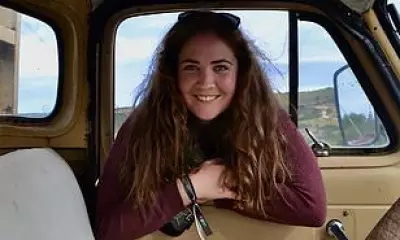
Teenager's Brain Tumour Diagnosis Repeatedly Overlooked by Hospital Staff
At just 19 years old, Ella-Louise Moroney from Peterborough should be embracing the vibrant opportunities of young adulthood, building memories with loved ones and planning for a bright future ahead. Tragically, instead of enjoying these carefree years, the former early years worker is confronting a devastating and life-threatening medical crisis—one that was nearly missed entirely by healthcare professionals.
Only one month ago, Ms Moroney received the shattering news that she has an aggressive, cancerous brain tumour. Physicians warned that without urgent surgical intervention, she had merely weeks to live. The path to this dire diagnosis, however, was fraught with obstacles and medical oversights that prolonged her suffering and endangered her life.
A Prolonged and Frustrating Medical Ordeal
For two months prior to diagnosis, Ms Moroney endured persistent and severe migraines. She visited the hospital on two separate occasions, each time being sent home with painkillers such as sumatriptan and Naproxen, without any comprehensive investigation into the underlying cause of her symptoms. Her condition continued to deteriorate, leading to episodes of confusion and an inability to eat, which prompted her mother to insist on further medical scrutiny.

It was only after this maternal intervention that doctors finally conducted a scan, revealing the family's worst fears: a fast-growing, highly malignant tumour located in her frontal lobe. Astonishingly, even after this discovery, hospital staff attempted to discharge Ms Moroney once more, underscoring a alarming pattern of negligence in her care.
A Rare and Challenging Cancer Diagnosis
Ms Moroney has been diagnosed with a Grade 4 atypical teratoid/rhabdoid tumour (AT/RT), an exceptionally rare and aggressive form of cancer that is typically found in children under five years old. The rarity of this tumour in adults has compounded the complexity of her treatment, as neither her consultant nor her oncologist had previously encountered a case in her age group.
This lack of documented cases and research makes devising an effective treatment plan particularly challenging, leaving Ms Moroney and her family in a state of uncertainty and anxiety about her prognosis.
Urgent Surgery and Ongoing Treatment
Following her transfer to Addenbrooke's Hospital in Cambridge, Ms Moroney was informed that immediate surgery was critical for her survival. She underwent the procedure on February 17, during which most of the tumour was successfully removed. However, the battle is far from over.
She now faces an intensive treatment regimen at UCL Hospital in London, beginning with eight weeks of chemotherapy, followed by proton radiotherapy, and an additional eight weeks of chemotherapy. In a proactive step to preserve her future fertility, Ms Moroney is currently undergoing egg harvesting, which has temporarily postponed the start of her cancer treatments.
Financial and Emotional Struggles
The Moroney family is grappling with significant financial burdens due to the costs associated with her medical care. Expenses include travel for numerous hospital appointments, ongoing medical bills, and essential equipment such as a wheelchair to aid in her recovery. In response, her sister, Deanne Moroney, has launched a GoFundMe campaign with a target of £9,000 to help alleviate these mounting pressures.
Despite the enormity of her situation, Ms Moroney remains remarkably resilient and optimistic. She has expressed a determination to maintain a positive outlook, using humour as a coping mechanism and placing her trust in the medical team providing her care. Since her surgery, she has experienced a cessation of her migraines, though she continues to deal with the physical aftermath, including mobility issues and knee pain.
This harrowing experience highlights critical issues in healthcare, including the dismissal of patient symptoms and the challenges of treating rare medical conditions. It also underscores the importance of patient advocacy and the need for greater awareness and research into uncommon cancers like AT/RT.