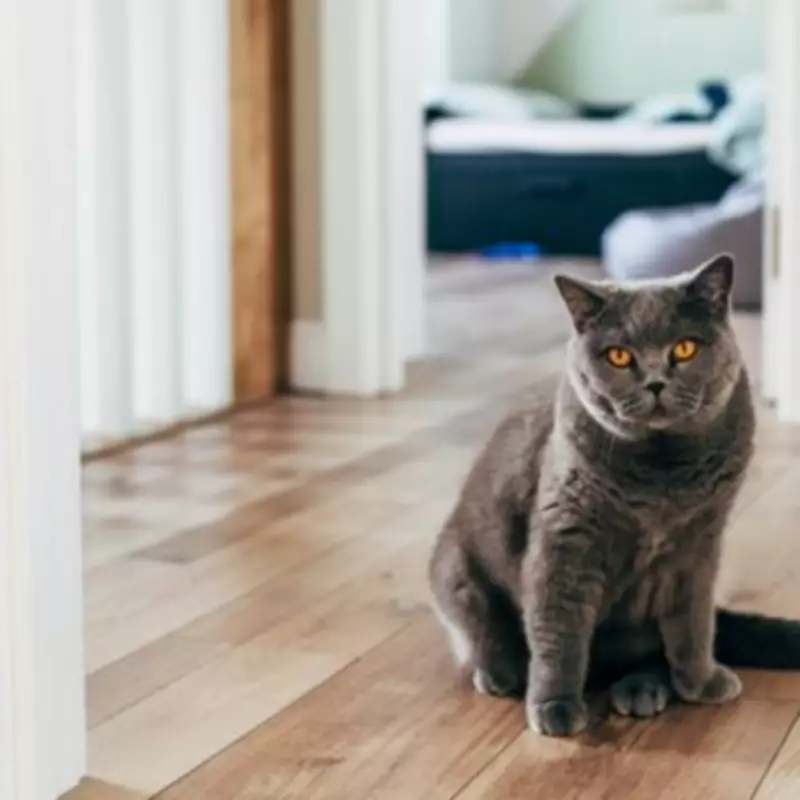
A veterinarian has disclosed one of the most prevalent reasons families are compelled to make the heart-wrenching decision to euthanise their beloved feline companions, emphasising that critical warning signs are frequently missed or inadvertently ignored by pet owners. Amir Anwary, an experienced vet, highlighted that in senior cats, kidney failure stands as a "common" cause for euthanasia, and he believes "everyone should know" the essential indicators because enduring the condition can be profoundly distressing for the cat.
The Silent Progression of Kidney Disease in Cats
Amir explained that the kidneys perform vital functions, including "filtering waste products in the blood," "maintaining electrolyte balance, controlling blood pressure, and ensuring proper hydration." He noted a significant challenge with felines: "Cats are born with an extraordinary functional capacity in their kidneys, meaning your cat can lose up to 65 to 70% of their kidney function before any symptoms of kidney disease become apparent at home."
This delayed detection is "really bad" because "when symptoms finally emerge, the kidney disease has likely already advanced significantly." As the disease progresses, cats become increasingly dehydrated, which exacerbates kidney damage. Amir described a vicious cycle: "As dehydration worsens, the kidneys suffer further harm, leading to a buildup of toxins in the blood. This toxin accumulation accelerates the disease, causing compounding damage that deteriorates daily."

Proactive Measures for Cat Owners
Amir stressed that "your role as a cat owner is to recognise symptoms of kidney disease as early as possible and take all necessary steps to prevent its onset or progression." While completely averting chronic kidney disease may not be feasible, organisations like Cats Protection recommend several strategies to support kidney health:
- Increase Water Intake: Ensure fresh water is always available, and consider tips to encourage drinking.
- Feed Wet Cat Food: Opt for moisture-rich diets; for cats preferring dry food, try adding water if accepted.
- Maintain a Clean Litter Tray: Regular cleaning and a quiet, comfortable location can encourage proper urination.
- Promote a Healthy Weight: Overweight cats are at higher risk for diabetes, which can lead to kidney issues; balance diet and exercise.
Recognising the Signs of Kidney Disease
Cats Protection notes that kidney disease is a frequent issue in middle-aged and older cats, with early detection being crucial for managing the condition. Most cats show no symptoms until severe damage has occurred, but common signs include:
- Increased thirst and urination
- Poor appetite and weight loss
- Deteriorating coat condition
- Vomiting, lethargy, and depression
- Bad breath
Since these symptoms can overlap with other ailments, prompt veterinary consultation is essential. Diagnosis typically involves blood and urine tests to detect elevated waste levels. Many vets advocate for early screening during routine check-ups or vaccinations for older cats, as timely intervention can significantly enhance life expectancy and quality of life. Vigilance and proactive care are key to safeguarding your feline friend's well-being.