US Prenatal Care Crisis: Early Visits Decline as Maternal Health Risks Rise
A new federal report has uncovered a concerning decline in early prenatal care across the United States, raising alarms among healthcare professionals about the potential impact on maternal and infant health outcomes.
Sharp Drop in First-Trimester Care
According to data released by the Centers for Disease Control and Prevention, the percentage of U.S. births to women who began prenatal care during the crucial first trimester dropped significantly from 78.3% in 2021 to 75.5% in 2024. This represents a notable reversal of previous positive trends in maternal healthcare access.
Concurrently, the report shows troubling increases in delayed or absent prenatal care. Care beginning in the second trimester rose from 15.4% to 17.3%, while starting care in the third trimester or receiving no care at all increased from 6.3% to 7.3%.

Medical Experts Express Grave Concerns
"We know that early engagement in prenatal care is linked to better overall health outcomes," emphasized Dr. Clayton Alfonso, an OB-GYN at Duke University in North Carolina. "When patients delay medical care during pregnancy, we've missed that window to optimize both fetal and maternal care."
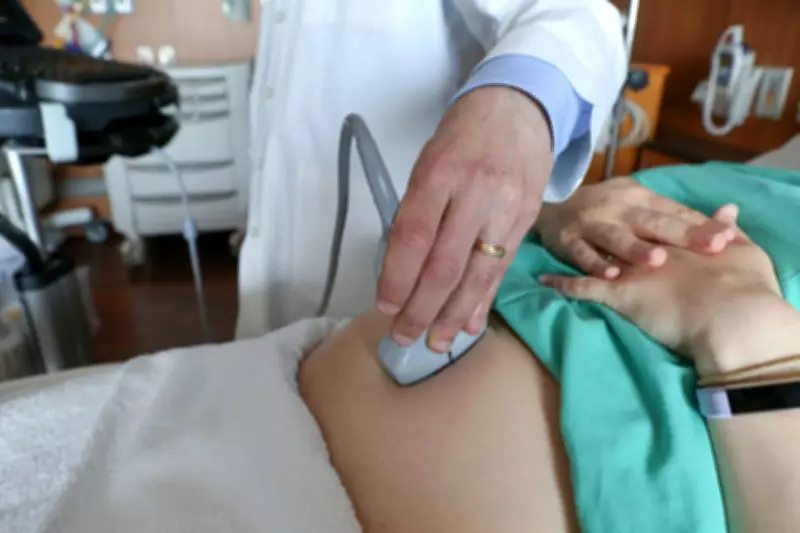
Medical professionals stress that earlier prenatal visits allow for earlier detection of potential problems. These appointments provide opportunities for health guidance, blood pressure monitoring, essential screenings, blood tests, physical examinations, and ultrasound scans that can identify complications before they become serious.
Disproportionate Impact on Minority Mothers
While the decline in early prenatal care affected nearly all racial and ethnic groups, the decrease proved particularly pronounced among minority mothers. For Black mothers specifically, first-trimester care plummeted from 69.7% in 2021 to 65.1% in 2024.
This disparity carries significant consequences, as delayed or absent prenatal care substantially increases the risk of maternal mortality—a health outcome already disproportionately high among Black mothers in the United States.
Multiple Factors Driving the Decline
Although the CDC report doesn't specify reasons for the trend, healthcare experts point to several contributing factors. The proliferation of maternity care deserts has become a growing national concern, according to Dr. Grace Ferguson, an OB-GYN in Pittsburgh.
Many hospitals have closed labor and delivery units, Ferguson noted, explaining that "the prenatal care providers that work at those hospitals also have probably moved." A 2024 March of Dimes report found that more than 35% of U.S. counties qualify as maternity care deserts, meaning they lack both birthing facilities and obstetric providers.
Dr. Ferguson, who provides abortions as part of her comprehensive OB-GYN practice, suggested that post-Roe v. Wade abortion restrictions may also contribute, as some obstetricians choose not to practice in states with more restrictive reproductive healthcare laws.
Access Barriers and Insurance Challenges
Dr. Alfonso, who was not involved in the CDC report, suspects that patient access issues are pushing prenatal care later, particularly in rural areas. Patients may need to travel greater distances for appointments and often struggle to find practices that accept their insurance, especially those covered by Medicaid.
Michelle Osterman, lead author of the report, emphasized that these findings represent a significant shift. Between 2016 and 2021, the timing of when U.S. women began prenatal care had been steadily improving before this recent reversal.
Warnings of Worsening Outcomes
Healthcare providers express deep concern about the potential consequences if this trend continues unchecked. "If this trend continues, I worry about what that would mean for morbidity and mortality for our moms," Dr. Alfonso cautioned.
The decline in early prenatal care represents more than just a statistical change—it signals potential deterioration in maternal healthcare infrastructure and access that could have lasting effects on both maternal and infant health across the nation.