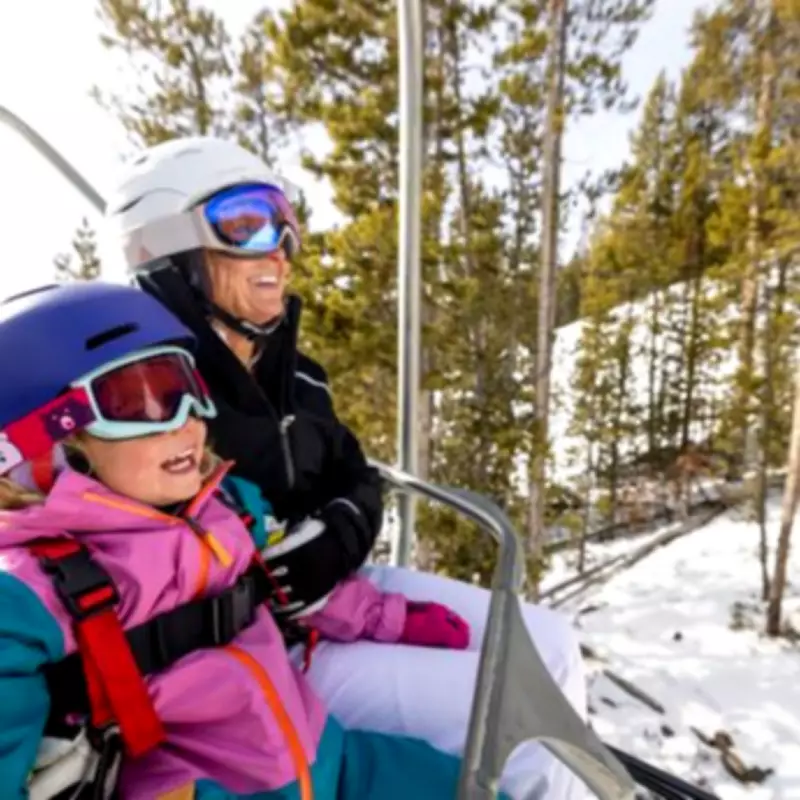
GP Issues Critical Warning Over Medication Risks on Ski Holidays
As the Winter Olympics fuel a surge in winter sports enthusiasm among Britons, an NHS GP has highlighted a potentially dangerous and often overlooked issue: high-altitude ski trips could render common medications ineffective, posing serious health risks. Dr Asimah Hanif, a general practitioner, explains that the lower oxygen levels at elevated destinations can significantly alter how the body processes drugs for conditions like hypertension, diabetes, and respiratory ailments.
How Altitude Affects Medication Efficacy
Dr Hanif warns that individuals taking medications for blood pressure, diabetes, or respiratory conditions must exercise particular caution when planning ski holidays. The reduced oxygen levels at high altitudes can change blood pressure and respiratory functions, potentially making standard doses inadequate or unpredictable. For diabetics, the risks are even more pronounced, as altitude can reduce appetite, increase dehydration, and lead to complications such as ketoacidosis. Additionally, blood sugar fluctuations may become erratic, and monitoring devices could lose accuracy in these environments.
Essential Pre-Travel Checklist for Skiers
To mitigate these dangers, Dr Hanif urges all travellers heading to ski resorts to follow a comprehensive checklist:

- Verify the altitude of your intended resort, as many popular destinations exceed 2,000 metres.
- Consult your GP if you or any family members have ongoing health conditions, especially before travelling above 2,500 metres.
- Disclose all pre-existing conditions when arranging travel insurance to ensure adequate coverage.
- Confirm that your insurance policy includes specific winter sports cover, as standard plans often exclude such activities.
- Gradually build up fitness levels, particularly if you are new to skiing, to reduce overall health strain.
Insurance and Emergency Considerations at High Altitudes
Beyond medication concerns, accessing medical care at remote mountain resorts becomes more complex and costly. Dr Hanif, collaborating with specialist travel insurance provider Staysure, emphasises that standard policies typically offer limited or no cover for pre-existing conditions or winter sports. Medical travel insurance with winter sports cover is essential for protection. Simon McCulloch, Chief Commercial Officer at Staysure, notes that medical repatriation from such locations often involves helicopters, specialist teams, and coordinated long-distance flights, making appropriate insurance critical for peace of mind.
Broader Health Impacts of High-Altitude Travel
Even for healthy individuals, ski resorts above 2,000 metres can induce symptoms due to thinner air and dehydration, including headaches, dizziness, and breathlessness. With spending in Europe's top ski destinations up by 14% and nearly 70% of Brits inspired by the Winter Olympics to try winter sports, awareness of these health risks is more important than ever. Dr Hanif concludes that proactive planning and consultation with healthcare professionals can help ensure a safe and enjoyable holiday on the slopes.