Former BBC Royal Correspondent Urges Protection of Ceremonial Broadcasts
At a time when shared national experiences are becoming increasingly rare, the BBC risks undermining its fundamental mission by reducing its world-class coverage of Buckingham Palace flypasts and other ceremonial occasions, according to former royal correspondent Jennie Bond. Writing on Monday 30 March 2026, Bond warned that cutting the broadcaster's prestigious events team would represent a monumental act of self-harm for the corporation.
The Timeless Value of Expert Coverage
In an age of fractured attention spans, where content longer than a few seconds risks losing audience engagement, the BBC's expert coverage of major national events provides something timeless and dignified. Since Queen Elizabeth II's coronation, the BBC's Studio Events team has delivered informed, measured, and unhurried coverage of occasions that define British national life during moments of celebration, crisis, joy, and sorrow.
This small, well-practiced, and award-winning team produces what it calls its "crown jewels" – comprehensive coverage of annual occasions including the Festival of Remembrance, the Cenotaph service and parade for war veterans, and the State Opening of Parliament. Other significant events that should serve as "tentpoles" in the broadcasting calendar include the Archbishop's enthronement, Commonwealth Day services (which the BBC shamefully skipped this year), Holocaust Memorial Day commemorations, and even the New Year's Eve fireworks display.

Complex Production and Trusted Relationships
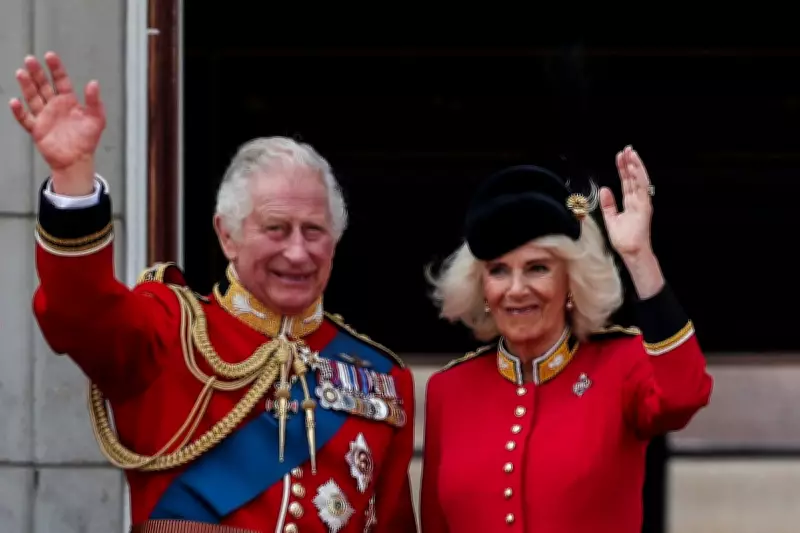
Organizing coverage of major events, including every Buckingham Palace "balcony moment" with members of the royal family, represents painstaking and extremely complex work. The team relies on its wealth of experience to create seamless and comprehensive broadcasts, having built impeccable and invaluable contacts with the palace, the church, and the military over many years.
Unlike commercial broadcasters, the public service broadcaster understands that gimmickry and reinvention are unnecessary. There's nothing wrong with holding a shot for thirty seconds or longer when the power of the spectacle itself can hold viewers' attention. This approach represents the very antithesis of TikTok, Instagram, and other social media platforms that have contributed to diminishing attention spans across society.
Questionable Cuts and National Cohesion
How can reducing this already dedicated small team of just six people down to a single individual possibly work without compromising standards? Relying on freelancers with limited experience in this specialized area of coverage makes little sense when maintaining broadcast quality is paramount.
With increasingly few and fragile threads uniting the nation around television screens, and social cohesion under significant threat, the government should be as horrified as licence-paying audiences if this coverage were lost or outsourced to temporary staff. The BBC excels at pomp and pageantry accompanying major national events and has an obligation to showcase them in the best possible manner.
Historical Precedent and Current Leadership
Bond recalls the outrage and personal disappointment when the BBC decided not to cover the pageant marking the Queen Mother's 100th birthday in 2000. This decision spawned significant public outcry, a parliamentary motion deploring the choice, and criticism from then-Prime Minister Tony Blair. The palace, annoyed by the decision, simply handed coverage to a gleeful ITV, which attracted millions of viewers.
Major Sir Michael Parker, who organized the event, later revealed the corporation had claimed it didn't want the coverage to clash with the soap opera Neighbours. He also stated that then-Director-General Greg Dyke later told him it was one of the worst decisions he had ever made.

Urgent Call for Reversal
With Tim Davie in his final days as Director-General, interim DG Rhodri Talfan Davies has a narrow window to make his mark before Google's Matt Brittin assumes leadership. Standing up for what makes the BBC special by pausing these cuts would represent a positive move. While the financial climate remains challenging, and the standard annual TV licence fee rises to £180 this week, the BBC should not be cutting prestige coverage as it approaches Royal Charter renewal.
Coverage of these "crown jewels" events should be considered mission-critical, particularly as the corporation's public service remit comes under scrutiny. Before departing Broadcasting House, Davies should act swiftly to overturn what represents both a significant act of self-harm for the BBC and a complete gift to those who wish the corporation ill.