
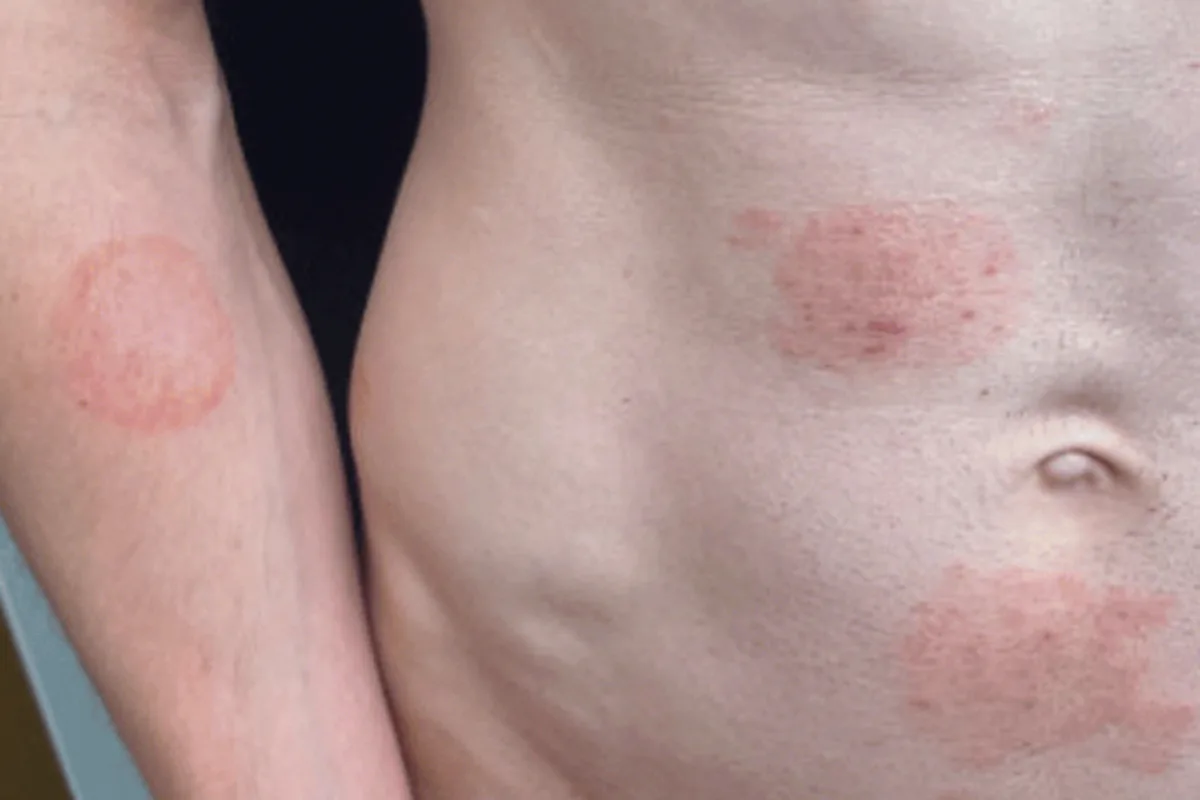
Minnesota is experiencing the largest outbreak of sexually transmitted ringworm in the United States, with over 30 confirmed or suspected cases reported since July 2024, all within the Twin Cities metropolitan area. The fungal infection, known as trichophyton mentagrophytes genotype VII (TMVII), disproportionately affects men who have sex with men.
First identified in New York City in June 2024, TMVII has since been detected in sporadic cases across other major US cities, according to the Centers for Disease Control and Prevention. The Minnesota Department of Health noted that the infection has been circulating in Europe and among travellers to Southeast Asia for several years but is not yet widespread in the US.
TMVII is the only known sexually transmitted fungal infection, according to the Cleveland Clinic. It spreads through skin-to-skin contact or exposure to fungal spores, causing painful, itchy, coin-like rashes that can appear on the genitals, face, torso, arms and legs. In severe cases, lesions and open sores may lead to secondary bacterial infections requiring antibiotics.
Diagnosis requires advanced testing, as most laboratories struggle to distinguish TMVII from similar fungal infections. Treatment involves weeks or months of oral medication, and steroid creams should be avoided as they worsen the infection. Health officials advise covering rashes, washing hands after contact, and avoiding sharing personal items such as towels, bedding and razors.
While the overall public health risk is low, officials warn that men who have sex with men, users of anonymous dating apps, and those with a history of sexually transmitted infections may be at higher risk. Items should be washed on high heat, and common disinfectants can kill fungal spores.




