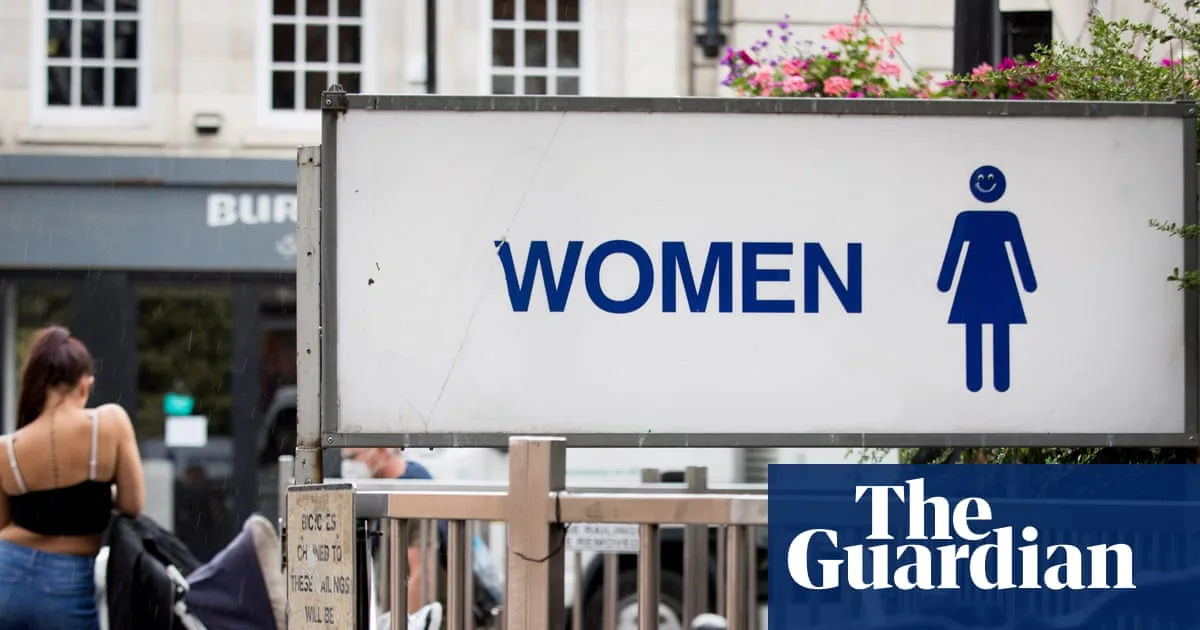
England is confronting a significant public health emergency as a drastic shortage of public toilets forces citizens to endure hardship nationwide, according to alarming warnings from health authorities. Fresh analysis conducted by the Royal Society for Public Health (RSPH) uncovers a "substantial deficit" in available facilities, with numbers declining sharply by 14 per cent since 2016.
Alarming Statistics Reveal Worsening Situation
The RSPH's comprehensive calculations indicate there are now 15,481 individuals for every single public toilet in England. This startling figure is derived from data collected through over 200 Freedom of Information requests submitted to local councils responsible for maintaining these essential amenities.
Multiple Detrimental Consequences Emerging
The absence of adequate toilet facilities is generating numerous harmful effects across communities. The RSPH has cautioned that this scarcity directly contributes to increased incidents of public urination, creating unsanitary conditions that degrade public spaces.
Furthermore, the research highlights potential economic repercussions for local businesses, as many people choose to remain at home rather than venture out without guaranteed access to proper facilities. This behavioral shift could significantly reduce foot traffic and spending in commercial areas.
Serious Health Risks for Vulnerable Populations
Many individuals are deliberately restricting their fluid intake while in public to avoid needing toilets, placing themselves at genuine risk of dehydration and related health complications. William Roberts, chief executive of the RSPH, emphasized the universal nature of this basic need.
"Access to public toilets is a fundamental requirement that affects everyone, and we must address this issue openly," Roberts stated. "One toilet per 15,000 people represents an unacceptable standard that will continue deteriorating without immediate intervention."
He elaborated on the personal impacts: "For certain individuals, toilet availability determines whether they can leave their homes at all. Others resort to dangerous fluid restriction strategies. The consequences extend beyond personal discomfort to create unpleasant, unhygienic environments that diminish our shared public spaces."
Proposed Solutions and Funding Challenges
To address this growing crisis, the RSPH advocates for establishing new strategic authorities with specific responsibilities to ensure sufficient public toilet provision in high-traffic areas, supported by dedicated central government funding.
The organization also urges stronger requirements for developers, calling for regulations mandating public toilet inclusion in any non-residential development projects. Currently, local councils retain discretion over toilet provision levels within their jurisdictions.
Regional Disparities and Financial Pressures
While England struggles with this infrastructure gap, devolved nations maintain better ratios: approximately 8,500 people per public toilet in Scotland and 6,748 in Wales. A Local Government Association spokesperson highlighted how funding constraints force difficult decisions.
"Maintaining a single public toilet can cost councils around £25,000 annually," the spokesperson explained. "Vandalism and antisocial behavior further inflate expenses through increased cleaning and security requirements, ultimately burdening taxpayers. Many councils have implemented community toilet schemes partnering with local businesses, but high street closures continue creating service gaps."
Government Response and Statistical Methodology
A Ministry of Housing, Communities and Local Government representative noted: "To support council services including toilets, we've allocated over £78 billion for local finances, with leaders empowered to determine their own spending priorities."
The RSPH's analysis encompasses FOI responses from 221 of England's 309 local authorities, representing approximately 82 per cent of the national population. Councils provided data comparing public toilet availability in 2016 versus 2025, revealing the concerning downward trend.






