Energy Secretary Warns Gas Prices May Not Fall Until Next Year Amid Iran Crisis
Gas Prices Could Stay High Until 2027, Energy Chief Admits

Energy Secretary Admits Gas Prices Might Not Drop Until Next Year

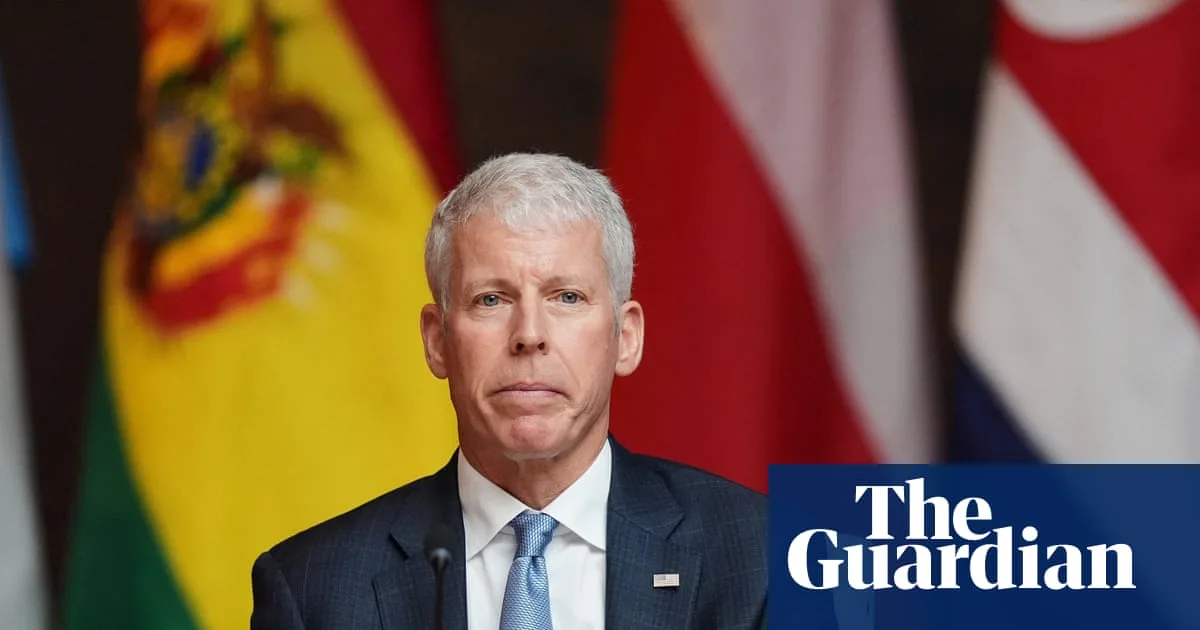
Energy Secretary Chris Wright has delivered a sobering warning to American consumers, stating that gas prices could remain high for the remainder of 2026 and might not see a significant decline until next year. In an interview on CNN's State of the Union, Wright expressed uncertainty about when the average price per gallon would fall back below $3, highlighting the prolonged economic impact of the ongoing Iran conflict.

Uncertain Timeline for Price Relief

When pressed by host Jake Tapper for a specific timeframe on when gas prices would decrease, Wright responded, "I don't know. That could happen later this year." He added, "That might not happen until next year." Despite this uncertainty, the Energy Secretary offered a glimmer of hope, suggesting that prices have likely peaked and will eventually start to decline, particularly with a resolution to the Iran war.

"Certainly, with a resolution of this conflict, you will see prices go down," Wright asserted. "Prices across the board on energy prices will go down." He expressed optimism that President Trump would soon strike a deal to end the war but refrained from providing an exact timeline for such an agreement.

Wide Pickt banner — collaborative shopping lists app for Telegram, phone mockup with grocery list

Fragile Ceasefire and Ongoing Negotiations

The United States and Iran are approaching a critical Tuesday deadline, marking the end of a two-week ceasefire that was brokered earlier this month. This fragile truce has persisted as negotiators convened for initial talks in Islamabad, Pakistan, last weekend, though these discussions failed to yield a peace agreement. A second round of talks is scheduled for Monday, with Vice President JD Vance reportedly leading the U.S. delegation.

However, confusion emerged within the administration on Sunday after President Trump cited a "security" situation that might prevent Vance's attendance. In a separate development, Trump announced that U.S. Marines had seized and boarded an Iranian-flagged vessel after disabling it for attempting to breach a blockade.

Strait of Hormuz: A Key Flashpoint

Control of the Strait of Hormuz remains a pivotal issue in the negotiations. Iran's capability to deploy mines and small vessels has effectively choked this major transit point for global oil traffic, contributing to a sharp spike in U.S. gas prices. The national average has now surpassed $4 per gallon, with AAA reporting it at $4.048 on Sunday.

A recent NBC poll revealed that a significant majority of Americans feel gas prices are severely impacting their financial well-being, fueling growing pessimism about Trump's economic management. Although prices have dipped slightly from recent highs, they remain substantially above the $3.08 per gallon average recorded in January 2025 when Trump took office.

Political and Economic Ramifications

White House officials, including press secretary Karoline Leavitt, maintain that the war with Iran will only cause a temporary price surge. Some defenders argue that Americans are willing to endure economic sacrifices to see Iran's government toppled by U.S. and Israeli forces. The administration has also pointed out that gas prices hit $4 per gallon in 2022 under President Biden due to post-Covid demand spikes.

Nevertheless, some Republicans are growing concerned that persistently high gas prices could harm their prospects in the upcoming midterm elections. With polls showing Democrats leading on generic ballots, issues like gas prices and affordability remain top voter concerns, often ranking the economy as the most critical issue at the polls.

President Trump recently claimed that gas prices are "not very high," even as they retreat from their peak during his administration. Meanwhile, experts, including Secretary Wright, warn that the global supply shock may not ease soon and could worsen if the Strait of Hormuz closure is not promptly addressed.

An April report indicated that White House officials are preparing for various scenarios, including oil prices potentially soaring past $150 per barrel. Currently, both Brent and West Texas Crude oil are trading below $100, but the situation remains volatile as diplomatic efforts continue.

Pickt after-article banner — collaborative shopping lists app with family illustration