Perimenopause Eyebrow Thinning: The Hidden Cause of Makeup Woes in Your 40s
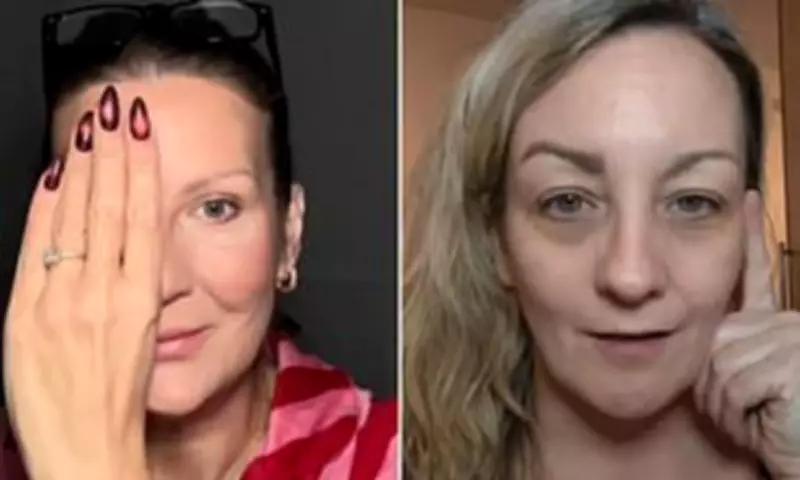
If you are in your 40s and notice that your makeup no longer sits as flawlessly as it once did, a little-known side effect of perimenopause might be to blame. Experts have disclosed that thinning eyebrows, often triggered by fluctuating hormones during the transition to menopause, can make your entire face feel unbalanced, leading to cosmetics appearing heavy and patchy.
The Science Behind Brow Thinning
Speaking to beauty professionals, Claire Such, a brand director, explained that many women experience their usual makeup suddenly feeling off without any change in technique. She noted, "Often, the real reason is subtle brow thinning. Brows act as the frame of the face, providing structure and balance to the eyes, cheeks, and lips." When this frame becomes lighter or patchier, eye makeup can seem heavier, blush may look misplaced, and the overall appearance can feel disjointed.
Dr. Ed Robinson, a non-surgical cosmetic doctor, elaborated on the biological changes. "During perimenopause, fluctuating and then falling oestrogen levels, combined with relatively higher androgens, can shorten the hair growth phase and reduce follicle vitality," he said. This results in brow hairs becoming finer, growing more slowly, and shedding more easily. Additional factors like stress, nutritional deficiencies in iron, vitamin D, B12, and zinc, thyroid dysfunction, skin inflammation, and over-tweezing can exacerbate the issue.

Expert Tips for Fuller Brows
Cosmetic experts have shared their top strategies for addressing thinning eyebrows, ranging from makeup adjustments to clinical treatments.
- Use Less Makeup in Other Areas: Claire advised that restoring definition to the brows can bring harmony back to the face, potentially reducing the need for makeup elsewhere.
- Accentuate Your Arch: A well-shaped brow with a soft lift through the arch can visually counteract any natural downward pull in the eye area. Using precise products to define and sculpt, particularly through the tail of the brow, adds structure.
- Go for Soft Lines Over Harsh Ones: Claire recommended focusing on adding soft colour and volume rather than drawing harsh lines. Opt for brow powder over pencil for a diffused finish, or use tinted gels to add subtle tint, lift, and hold.
- Use a Serum: For a less temporary solution, peptide-based conditioning serums can support hair follicles and strengthen existing brows. Dr. Ed suggested ingredients like peptides, panthenol, niacinamide, and hyaluronic acid, applied consistently for 8–12 weeks.
- Consider Brow Tinting: Emmy Clayton, a lash and brow expert, recommended sensitive, PPD-free tints that don’t stain the skin, offering a soft, natural result. Tinting fine vellus hairs around the brow can create the appearance of fuller brows.
- In-Clinic Treatments: Dr. Ed mentioned options like PRP/PRF and polynucleotides to support follicle function, or subtle dermal fillers for hollowing around the brow area. Professional brow mapping and gentle grooming can also help.
- Protein-Pack Your Diet: Emmy emphasised that protein is essential for keratin production, which makes up brow hair. Foods like eggs, broccoli sprouts, and pumpkin seeds, rich in zinc and other nutrients, can support healthier growth.
When to Seek Medical Advice
Dr. Ed advised that if symptoms align, optimising perimenopause management, including hormone replacement therapy (HRT) under medical guidance, can improve hair quality by stabilising hormonal swings. It is crucial to consult a GP or menopause specialist for personalised advice.
Understanding Perimenopause
Perimenopause is the stage before menopause, typically occurring in women between 45 and 60, where hormone levels change but periods have not yet ceased permanently. It can last from a few months to several years, with symptoms affecting daily life for some individuals. Once periods stop for 12 months or more, menopause is officially reached.