Ohio Nursing Homes 'Dump' Vulnerable Patients at Homeless Shelters in Shocking Trend
A vulnerable woman suffering from multiple health conditions, including alcohol-related dementia, was reportedly "dumped" at a homeless shelter by an Ohio nursing home, forcing staff to call the fire department for assistance. The woman, who was diabetic, managing a tibia fracture, and incontinent, arrived at the shelter carrying a large bag of medications. Federal inspectors from the Centers for Medicare and Medicaid Services documented the incident following an August 3, 2023, inspection, noting she was "unclear of what was going on, scared, and not sure who dropped her off there."
Involuntary Discharge and Lack of Alternatives
The Eastland Rehabilitation and Nursing Center in Columbus had involuntarily discharged the woman after she was caught drinking beer at the facility. While staff reportedly sought a substance abuse rehabilitation bed, none were immediately available. Eastland staff failed to contact the county’s psychiatric bed board for alternative placement before taking her to the shelter, where she faced a waiting list of about 100 people. The shelter initially declined to admit her, leaving her outside in the late-summer heat. Staff eventually relented, letting her sit in the lobby with a glass of cold water while they summoned a city rapid response team, including the fire department and a social worker.
A Growing and Disturbing Trend
This incident highlights a disturbing trend, described by industry experts as rare but increasingly common, where nursing homes transfer medically fragile patients to homeless shelters. CMS, which funds most nursing home care in the U.S., has previously faulted Eastland and six other facilities for similar discharge practices in recent years. Most patients in these situations are older, homeless, unemployed, and lack support networks of family or friends that might check in on them, according to Chip Wilkins, who leads the city of Dayton’s Long Term Care Ombudsman program.

"We are starting to deal with it more and more. The facilities are so closely monitored on discharges, but yet they still try and send them to hospitals and not take them back. Or drop them off at homeless shelters," he said in an interview. "I would say certainly over the last six months there has been an uptick."
Systemic Challenges and Oversight Failures
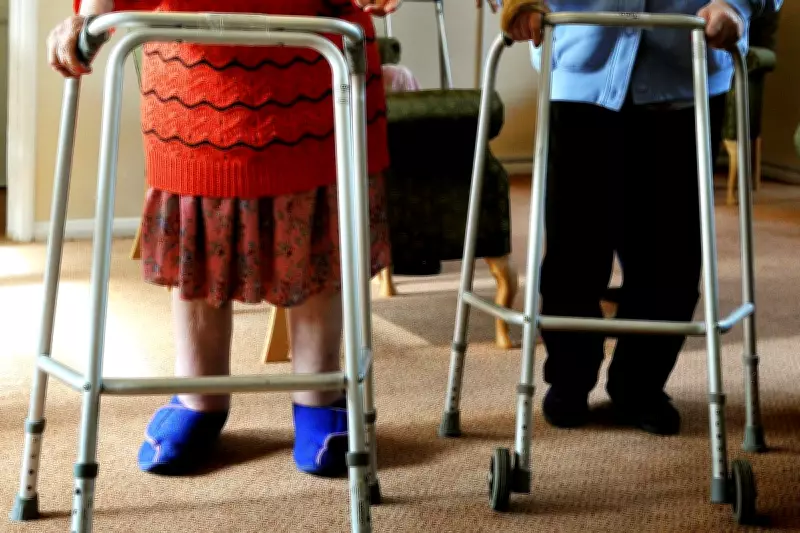
Leilani Pelletier, the statewide ombudsman, noted that such involuntary discharges to shelters against residents’ wishes are rare, but she estimated about 13,000 Ohioans are discharged from a nursing home each month. Nursing homes have legal obligations to ensure discharges are "safe and appropriate," and it’s not up to the facilities to unilaterally decide where a person should go. Homeless shelter discharges are priority cases because they’re almost always unsafe, as shelters can’t manage the 10 to 20 medications patients might need daily, and some rely on wheelchairs or walkers.
Often, the issues trace back to insurers, including Medicaid and Medicare, that cut off residents’ benefits. Sometimes the facilities cite aggressive behavior or substance use. Homeless shelters aren’t built to handle medically fragile patients; they aren’t medical centers, and some may require residents to climb to a top bunk, a tall task for older patients.
Specific Cases Highlighting Neglect
In one case, a patient at the Laurels of Hillsboro, now rebranded as Hillsboro Health and Rehab, was discharged after his insurance stopped paying, despite being diabetic, having glaucoma, cataracts, suspected autism, and 22 years of residency. Federal law requires at least 30 days’ notice before discharge, barring emergencies, but he wasn’t given any. According to his former roommate, staff misrepresented the discharge, claiming he’d go to an assisted living apartment instead of an emergency shelter with a 90-day limit. He arrived without needles for his medications, struggled with cataracts, and lacked essential documents.

In other instances, facilities like Meadowbrook Manor in Trumbull County and New Lebanon Rehabilitation and Healthcare Center failed to provide proper medications, prescriptions, medical appointments, or adequate notice. At Meadowbrook, a patient with long-term illnesses was sent to a shelter 20 days into a 30-day notice, given only two weeks of medications, and couldn’t meet shelter requirements like climbing a ladder to a top bunk. At New Lebanon, a woman with neural and spinal disorders was given roughly 24 hours’ notice instead of 30 days before discharge to a homeless shelter.
Calls for Collaborative Solutions
Scott Wiley, CEO of the Ohio Health Care Association, stated that the challenges reflect a broader trend affecting facilities nationwide. "This issue has been growing as more residents face unstable housing," he said. "State oversight and resources are needed to help tackle the issue on a larger scale to find meaningful, long-term solutions for Ohioans who struggle with homelessness. It will require a collaborative approach that a single nursing facility provider is not equipped to manage on its own."
Marcus Roth, director of communications of the Coalition on Homelessness and Housing in Ohio, added that shelters are put in a tight spot, tending to populations they’re not equipped to handle but serving as a de facto safety net. "The emergency shelter system, to the extent we have a system, is often the only thing available when other interventions don’t work," he said.
Pelletier emphasized that the real issue is when discharges to homeless shelters occur without investigation into safety or appropriateness. As Medicaid faces increasing cost pressures and federal funding reductions, this trend underscores urgent needs for better oversight and support systems to protect vulnerable patients in Ohio and beyond.