NHS Calls on Women Aged 50-70 to Prioritise Breast Cancer Screenings
The National Health Service has issued a strong appeal to women between the ages of 50 and 70, urging them to participate in regular breast cancer screenings. This vital health initiative is credited with diagnosing nearly 20,000 cases of breast cancer in the previous year alone, highlighting its critical role in early detection and treatment.
Understanding the Screening Programme
Under the national screening programme, women typically receive their first invitation for a mammogram between the ages of 50 and 53. Subsequent screenings are scheduled every three years until the individual reaches 71 years of age. The NHS emphasises that these screenings can identify breast cancer even before any symptoms become apparent, significantly improving treatment outcomes.
Eligibility and Inclusivity: While the programme primarily targets women, it also extends to trans men, trans women, and non-binary individuals. Some may be contacted automatically, but others are advised to consult with their general practitioner initially to ensure appropriate access to screenings.

The Mammogram Procedure Explained
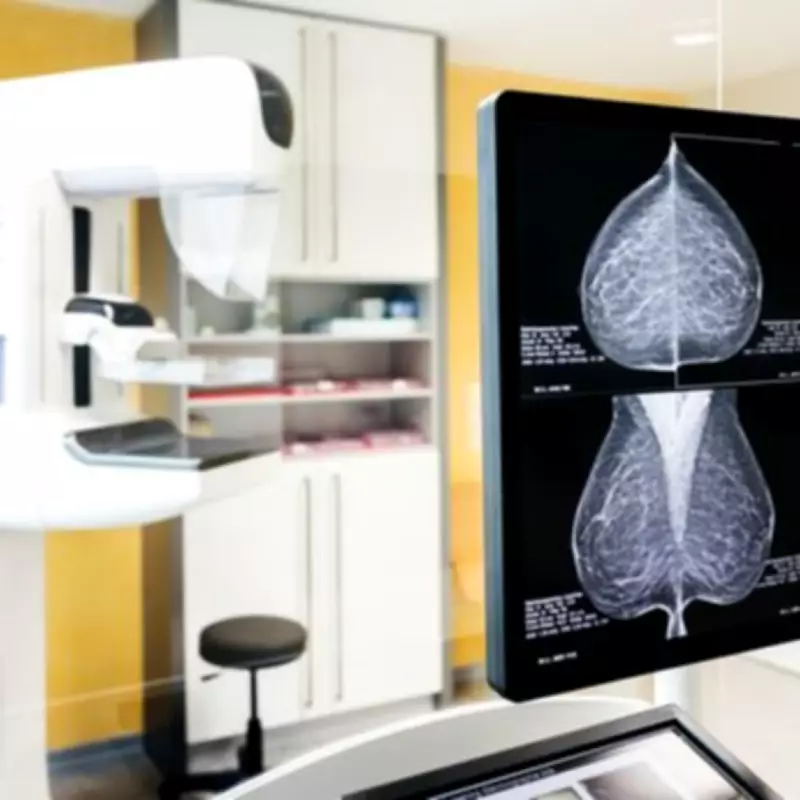
During a screening appointment, a female specialist conducts four breast X-rays, known as mammograms. The entire process typically lasts around thirty minutes, with the actual scans taking only a few minutes. Patients are required to undress from the waist up in a private changing area and are cautioned against using talcum powder or spray deodorant on the day, as these substances can interfere with the accuracy of the results.
Step-by-Step Process:
- The mammographer positions the breast on the X-ray machine.
- The breast is gently compressed between two plastic plates to ensure stability during the X-ray.
- Two X-rays are taken per breast, with the machine adjusted between shots.
Although some may experience temporary discomfort, the NHS notes that any pain should subside quickly. If discomfort persists beyond a few days, seeking advice from a GP is recommended.
Results and Follow-Up Actions
Results from the screening are usually communicated via letter within two weeks. A delay does not necessarily indicate a problem, but patients can contact their local screening service for updates if concerned. If no signs of cancer are detected, no further tests are required, and the individual will be invited back in three years.
When Further Tests Are Needed: Approximately four out of every 100 screened individuals require additional examinations. This does not automatically imply a cancer diagnosis; most people undergoing further tests do not have breast cancer. Additional procedures may include:
- Further mammograms
- Breast ultrasounds
- Additional physical examinations
- Needle biopsies to collect tissue samples
Those invited for further assessments can speak with a breast screening nurse beforehand to address any concerns or questions.
The Importance of Early Detection
With Cancer Research UK estimating over 56,900 new breast cancer cases annually in the UK, the significance of regular screenings cannot be overstated. The NHS stresses that anyone experiencing symptoms who is not yet scheduled for a screening should seek medical advice promptly.
For support, Macmillan Cancer Support operates a free helpline available daily from 8am to 8pm at 0808 808 00 00, offering a listening ear to those affected by cancer.