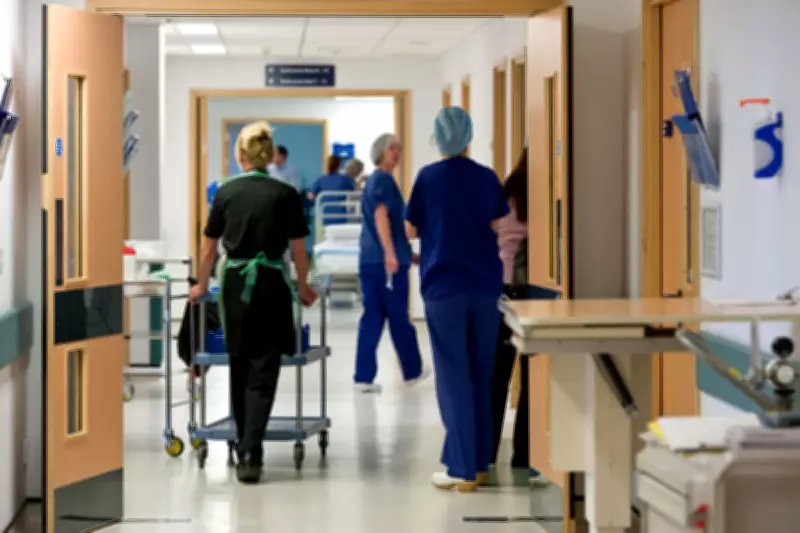
Government Announces 3.3% Pay Increase for NHS Staff from April 2026
More than 1.4 million National Health Service workers are set to receive a 3.3% pay rise starting in April 2026, as confirmed by the Government. Health Secretary Wes Streeting emphasised that this uplift exceeds the Office for Budget Responsibility's projected inflation rate of 2.2% for the 2026-27 financial year, describing it as a "real terms pay rise" for NHS employees.
Union Backlash Over Below-Inflation Award
Despite the Government's positive framing, health unions have strongly criticised the increase. Unison's head of health, Helga Pile, expressed that "hard-pressed NHS staff will be downright angry at another below-inflation pay award." She argued that staff are expected to deliver more while effectively receiving less, as pay continues to lag behind living costs.
Mr Streeting highlighted that this pay award will be delivered on time in April for the first time in six years, a result of efforts to expedite the pay review process. He stated, "We have listened to the workforce and understand the difficulties they face when pay awards are not delivered on time." The Government has accepted the NHS Pay Review Body's recommendation in full, remitting evidence earlier than in previous years.

Broader Union Reactions and Concerns
GMB national secretary Rachel Harrison acknowledged the timely payment but noted that the award is insufficient to compensate for over a decade of pay reductions under previous administrations. She warned that GMB would continue to advocate for better terms in upcoming structural talks.
Jim Fahie of the Chartered Society of Physiotherapy warned that the award falls short of members' expectations, calling it a "real-terms pay cut" that fails to address restoration needs amid chronic staff shortages and growing waiting lists.
Gill Walton, general secretary of the Royal College of Midwives, labelled the increase an "insult," citing broken promises to invest in maternity services and unfair pay systems that force midwives to work unpaid hours.
Government and Employer Perspectives
A Department of Health and Social Care spokesperson reiterated the Government's appreciation for NHS staff, highlighting investments in pay structure reforms and prioritising increases for graduates and lower-paid workers. They noted this marks the third consecutive year of above-forecast-inflation pay rises.
Dean Royles, interim chief executive of NHS Employers, welcomed the early acceptance of the pay review recommendations, ensuring timely payments for the first time in years. However, he stressed the need for immediate funding clarification, as NHS trusts face financial challenges while maintaining patient care.
Ongoing Challenges and Future Steps
The Society of Radiographers, while pleased with some low-pay recommendations, pointed out that the 3.3% increase is unlikely to bridge the growing gap between NHS pay and average earnings, undermining morale and retention.
Unite general secretary Sharon Graham criticised the Labour Government for disregarding health unions, warning that low pay exacerbates recruitment and retention crises. Professor Nicola Ranger of the Royal College of Nursing described the below-inflation award as an "insult," vowing to compare it with other public sector awards before deciding on further action.
Overall, while the Government touts the pay rise as a timely and above-inflation boost, unions argue it fails to address long-term pay erosion and staffing issues, setting the stage for continued negotiations and potential disputes in the NHS workforce.