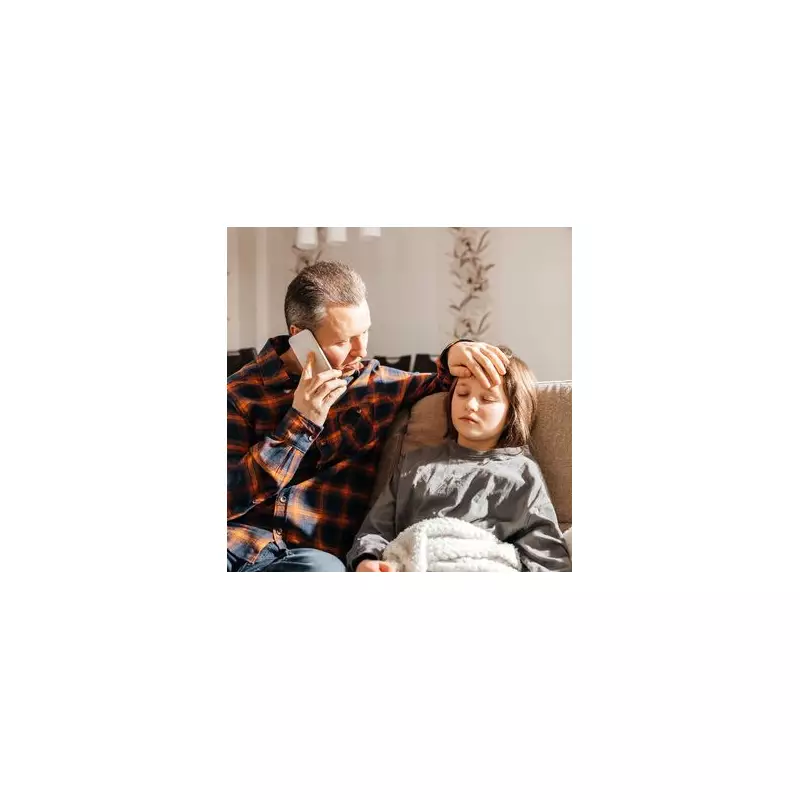
The National Health Service has released crucial guidance for parents navigating the return to school this January, detailing exactly when a child's illness warrants a day at home. The advice, shared via social media and the NHS website, aims to curb the spread of infections in classrooms and nurseries across the UK.
Navigating the 'Stay or Go' Dilemma
With the new term underway, the NHS acknowledged the difficulty parents face in deciding whether a poorly child should attend school. In a post on X, the health body stated: “It’s back to school this week! But if your child's feeling under the weather, here’s some advice to help you decide if they should stay at home or not.” The core principle is balancing a child's wellbeing with the risk of passing infections to classmates and staff.
Parents are advised to always phone the school or nursery on the first day of any absence. Furthermore, if a child is well enough to attend but has a transmissible condition like a cold sore or head lice, teachers should be informed.

The Full List of Illnesses Requiring Time Off
The NHS provides specific instructions for a range of common childhood ailments. Here is the essential guidance for parents.
High Temperature, Coughs, and Colds
A minor cough or cold symptoms such as a runny nose or sore throat are not automatic reasons for absence, provided the child otherwise feels well. The critical factor is a high temperature, defined as 38C or more. Children with a fever must stay home until it subsides. Good hygiene, like regular handwashing and disposing of used tissues, is encouraged.
Contagious Diseases: Chickenpox, Measles, and Scarlet Fever
For classic contagious diseases, strict isolation rules apply. A child with chickenpox must remain off school until all spots have crusted over, typically around five days after they first appear.
If a child contracts measles, they must stay home for at least four days from when the rash appears and see a GP. The surgery should be called ahead due to measles' highly infectious nature. Contact with vulnerable individuals must be avoided.
Scarlet fever requires antibiotic treatment from a GP. A child can return to school 24 hours after starting this medication.
COVID-19, Stomach Bugs, and Other Conditions
Current NHS guidance for COVID-19 states that children with mild symptoms like a slight cough can attend school if they feel well enough. However, they should stay home if they have a high temperature or feel too unwell for normal activities. If a child tests positive, they should try to stay home and avoid contact with others for three days after the test.
Children suffering from vomiting and diarrhoea must stay away from school until they have been symptom-free for 48 hours.
For an ear infection, a child should be kept home if they have a high temperature or severe earache until they improve.
Impetigo requires treatment, often with antibiotics. Affected children must stay off school until the sores have crusted and healed, or for 48 hours after starting antibiotics.
Following this official advice helps ensure a quicker recovery for your child and protects the wider school community from outbreaks of preventable illnesses. For the most detailed and up-to-date information, parents are directed to the official NHS website.