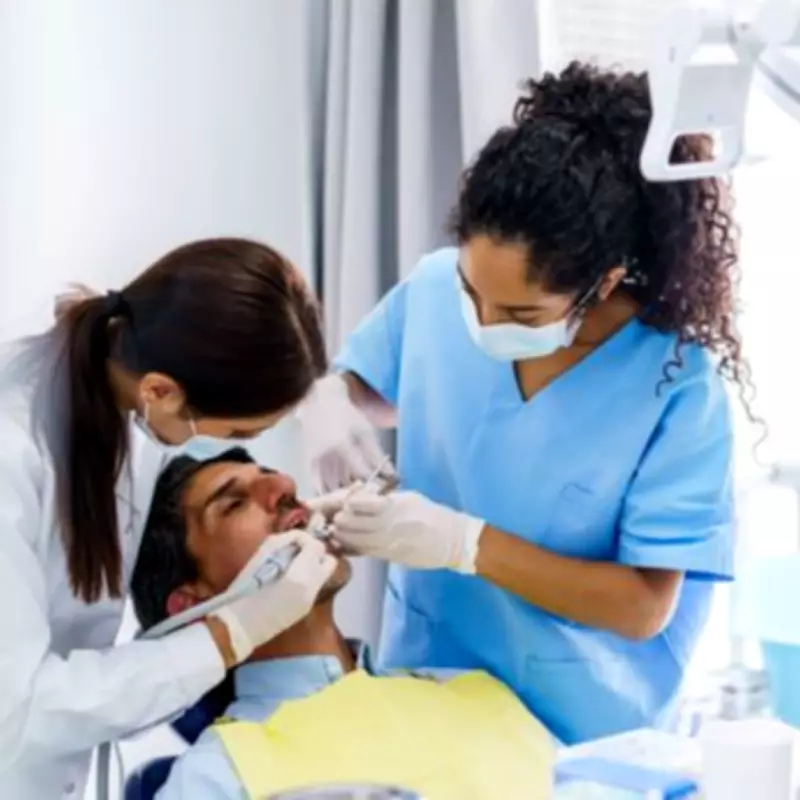
NHS Dental Charges Set for 1.7% Increase Across England from April 2026
Patients requiring dental treatment under the National Health Service will face higher costs from next month, as charges across England are scheduled to rise by an average of 1.7% starting April 1, 2026. This adjustment impacts all individuals who pay for NHS dental care, ranging from those attending routine examinations to patients in need of comprehensive procedures such as new dentures.
Detailed Breakdown of Revised Treatment Costs
Based on the specific treatment required, costs will increase by amounts varying from 50 pence for standard procedures to over £5 for more extensive dental work. These revised charges are designed to remain in effect throughout the entire 2026/27 financial year, with the aim of supporting funding for essential dental services across the country.
The updated fee structure includes the following changes:

- Band one treatments, covering basic examinations and X-rays, will rise from £27.40 to £27.90.
- Band two procedures, such as fillings or extractions, will increase by £1.30 to reach £76.60.
- Band three comprehensive treatments, including braces or dentures, will climb from £326.70 to £332.10.
Government Rationale and Exemptions
These adjustments follow the Government's established policy of modifying patient revenue each April. An official statement on Parliament UK clarified that NHS dental patient charges serve as a crucial revenue stream for NHS dentistry, typically uplifted annually at this time. For the 2026/27 period, the increase of approximately 1.66% represents a below-inflation adjustment, intended to benefit patients through continued service provision.
The statement further emphasised that financial support will remain available for those most in need through a range of dental charge exemptions. Generally, patients will not have to pay for specific minor procedures, such as stitch removal or stopping bleeding following dental work.
Political Context and Criticism
Prime Minister Keir Starmer recently confirmed that prescription medicine charges will remain frozen to assist with living costs, stating, "No one's health should be put at risk because they can't afford medication. That's why we're freezing prescription charges for the second year in a row. There's more to do – but we are supporting families and putting money back in your pocket."
However, the British Dental Association has strongly criticised the decision to increase dental fees specifically. Shiv Pabary, chairman of the BDA's General Dental Practice Committee, remarked, "This hike is a slap in the face to millions on modest incomes. It won't put a penny into a service on its knees. Patients will pay more, simply so ministers can pay less. The Prime Minister claims he wants to 'put money back into voters' pockets'. He needs to explain these choices to the pensioners who will pay an extra fiver towards their next set of dentures."
This development occurs alongside the Daily Mirror's Dentists for All campaign, which advocates for universal access to NHS dental care through three key demands. Despite the modest rise for most patients, certain groups continue to qualify for free treatment or financial assistance with healthcare expenses, ensuring some protection against the increased costs.