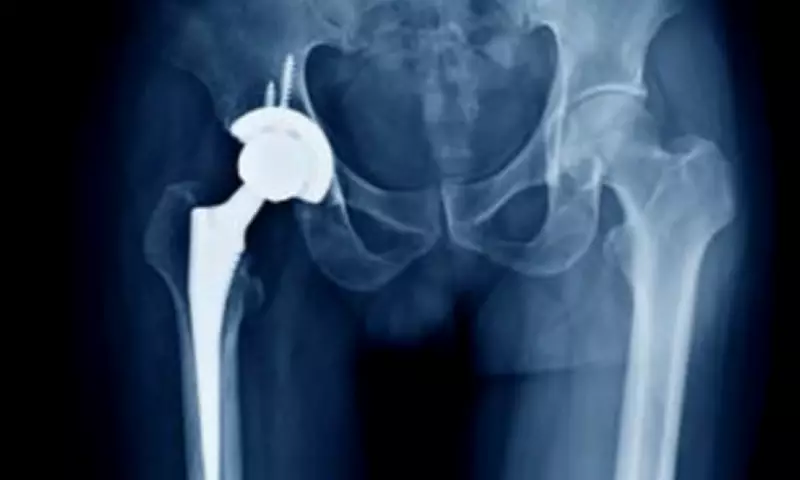
NHS Joint Replacement Crisis Deepens as Bone Cement Shortage Hits
A critical machine failure at the NHS's primary supplier of bone cement has triggered a global shortage, with devastating consequences for tens of thousands of patients awaiting life-changing joint replacement surgeries. Health officials have confirmed that hospitals now possess just one week's supply of this crucial surgical ingredient, forcing widespread cancellations of non-urgent procedures scheduled over the next two months.
Immediate Impact on Patients and Hospitals
Currently, there are approximately 850,000 patients in England alone on waiting lists for joint replacement surgery. Hospitals have received urgent instructions to prioritise only emergency trauma cases, such as elderly patients with hip fractures, which require around a thousand procedures weekly. This directive means that an estimated 22,000 patients who have already waited over a year for their operations now face indefinite postponements.
Experts warn this disruption could propel NHS waiting lists back to the daunting levels witnessed during the Covid-19 pandemic. The shortage, described as a 'crushing blow' by Arthritis UK, stems from a machine failure at Heraeus, one of the world's major bone cement suppliers and the NHS's preferred provider, which occurred during a system upgrade attempt. The company has indicated the supply shortage will persist for at least the next two months.

Regional Disparities and Financial Consequences
Analysis reveals significant regional disparities in how the crisis will affect patients. The Mid and South Essex NHS Foundation Trust faces the most severe impact, with over 19,100 patients waiting for knee and hip operations. In contrast, Kettering General Hospital NHS Foundation Trust has the shortest waiting list, with just over 1,860 patients, suggesting those in areas with shorter lists may receive treatment sooner despite the national shortage.
The financial implications are substantial. Research from the University of Bristol indicates that each knee replacement cancelled at short notice costs the NHS between £6,500 and £11,000 in lost tariffs. With around 200,000 first-time knee and hip procedures using cement in 2024 alone, the health service could face losses amounting to tens of millions annually.
Limited Alternatives and Expert Warnings
Health leaders have acknowledged that 'competitor cement availability is limited', complicating efforts to address record backlogs exacerbated by pandemic delays and recent funding cuts. Bone cement is utilised in more than 80% of knee replacements and nearly 60% of hip replacements, equating to roughly 15,000 operations monthly across the UK.
Dr Alex Dickinson, Professor of Prosthetics Engineering at the University of Southampton, emphasised the lack of viable alternatives: 'There are other manufacturers of bone cement, but there is not an alternative material that could just be substituted. Implant engineering is a cautious process, and any new technology carries patient risks requiring years of follow-up.'
Projected Delays and Systemic Strain
Dr Mark Wilkinson, a surgeon and professor of orthopaedics at the University of Sheffield, projected that the shortage could add at least two months to NHS waiting lists, describing the situation as akin to 'another Covid' in its impact. He stated: 'Every two-month delay—a best-case scenario—will add at least 10,000 hip and 20,000 knee replacements to existing waiting lists. Only 18% of procedures use other cement types, and alternative suppliers will struggle to meet demand.'
Fergal Monsell, President of the British Orthopaedic Association, confirmed that the association is working to mitigate patient impact but noted the situation is 'beyond the control of trauma and orthopaedic surgeons and NHS organisations'. NHS trusts have been advised to use freed theatre time for orthopaedic procedures not requiring cement, though this offers limited relief given the scale of the shortage.
The crisis underscores the fragility of medical supply chains and the urgent need for resilient solutions to prevent further deterioration of patient care and NHS resources.