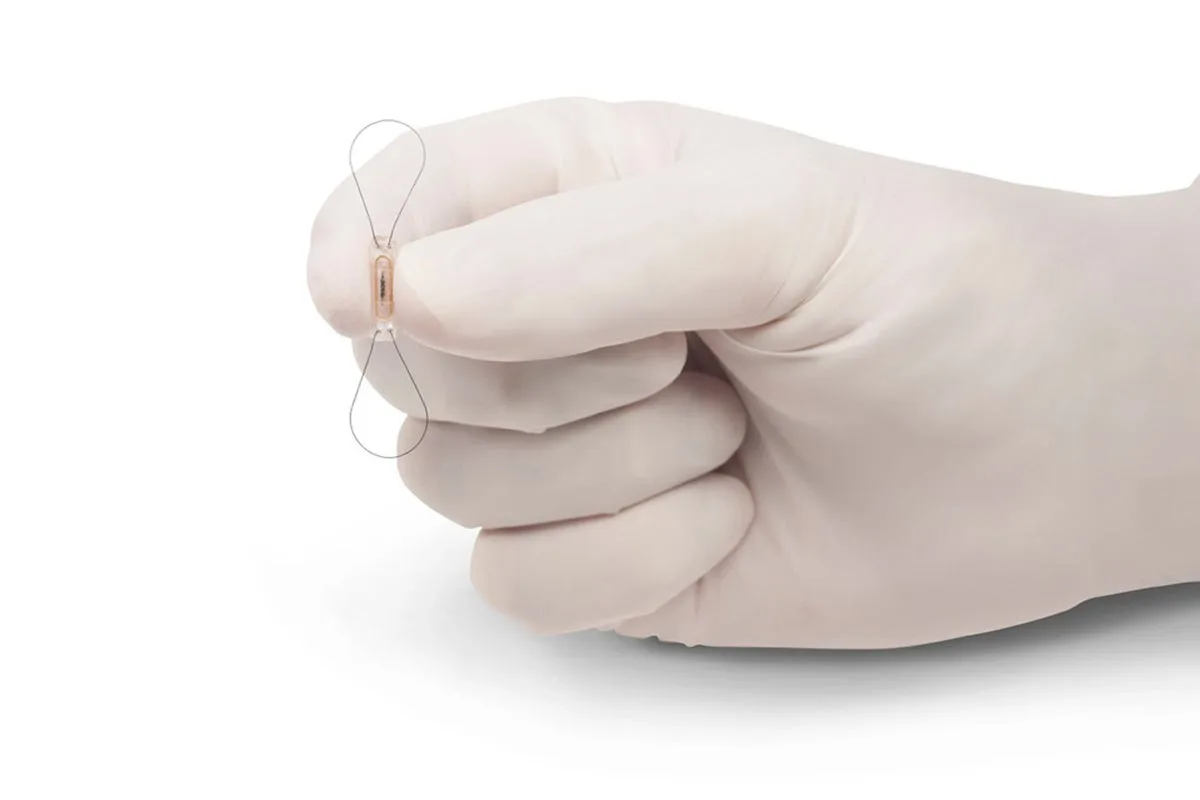
The National Health Service in England is set to implement a groundbreaking new medical device that promises to transform the lives of heart failure patients across the country. The CardioMEMS HF System, a wireless sensor implant roughly the size of a paperclip, has received official approval from the National Institute for Health and Care Excellence (Nice) for routine clinical use.
How the Revolutionary Technology Works
Developed by healthcare company Abbott, this innovative system is surgically implanted into the pulmonary artery that connects the heart to the lungs. Once fitted, patients can take daily readings from the comfort of their own homes simply by lying on a specially designed pillow. The device wirelessly transmits crucial physiological data directly to their healthcare team, enabling continuous remote monitoring without the need for hospital visits.
Transforming Patient Care and NHS Resources
Clinical trials have demonstrated remarkable results, with the CardioMEMS system reducing hospital admissions for heart failure by an impressive 34% compared to standard care approaches. Given that heart failure currently costs the NHS approximately £2 billion annually, with a significant portion attributed to hospital admissions, this technology represents a substantial opportunity for both clinical improvement and financial efficiency.
Dr Anastasia Chalkidou, healthtech programme director at Nice, emphasised the transformative potential of this advancement: "This technology offers a real opportunity to improve care for people living with chronic heart failure. By enabling early detection of problems and timely medication adjustments, it has the potential to reduce emergency hospital admissions and help people manage their condition more effectively from the comfort of their own home."
Patient Experience and Clinical Impact
The British Heart Foundation estimates that more than one million people in the United Kingdom are currently living with heart failure, a condition where the heart becomes too weak or stiff to pump blood effectively around the body. Symptoms typically include breathlessness, persistent tiredness, and swelling in the ankles and legs.
Leslie Birkenhead, a 76-year-old former paramedic from Hampshire who received the CardioMEMS implant in 2020, shared his personal experience: "Living with heart failure can be incredibly frightening, particularly when you don't know what's happening inside your body from day to day. Since having the CardioMEMS device fitted, I feel much safer and far more in control. The monitoring allows issues to be picked up early, before they escalate into emergency hospital visits."
Expanding Access Across the NHS
Until this recent approval, the technology had only been available in specialist centres and clinical studies, with approximately 120 patients nationwide having received the implant. The Nice recommendation specifically applies to patients with chronic heart failure who have previously been hospitalised and remain at risk of further admissions.
Stuart Dawson, country manager for the UK, Ireland and Nordics in Abbott's heart failure business, commented on the significance of this development: "This recommendation marks a major milestone in expanding access to technology that enables proactive management of heart failure across the UK. Following today's guidance from Nice, I'm delighted that more clinicians across the NHS will now be able to routinely adopt this technology, which will enhance clinical oversight, support earlier intervention and – most importantly – improve patient outcomes."
The implementation of this home monitoring system represents a significant shift toward preventative healthcare management, allowing patients to maintain greater independence while providing clinicians with continuous data to inform treatment decisions. As the NHS prepares to roll out this technology more widely, it signals a new era in chronic condition management that prioritises early intervention and patient empowerment.




