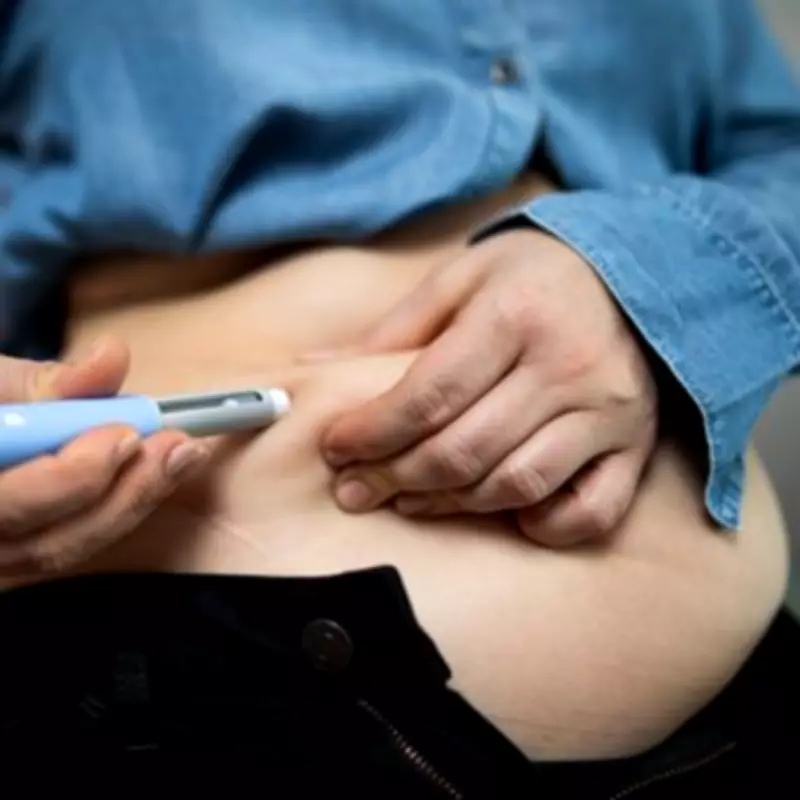
NHS Lists Eight Ways to Lose Weight Without Injections
If you prefer to try simple lifestyle changes rather than injections that may aid in weight loss, the NHS has shared eight practical steps you can start implementing today. Carrying excess weight can significantly impact your body, but even minor adjustments can lead to noticeable health benefits, and these changes might be all you need without resorting to injections.
Health Benefits of Weight Loss
Beyond improving overall wellbeing, losing weight can help reduce the risk of developing conditions such as high blood pressure, heart disease, and type 2 diabetes. The NHS emphasises that weight loss does not require a complete diet overhaul; through its Better Health website, it offers straightforward, actionable advice to support your goals.
Simple Habits for Effective Weight Loss
Weight loss is typically achieved through a combination of regular exercise and a balanced diet. For most people, cutting around 600 calories from daily intake is advised, aiming for approximately 1,900 calories per day for men and 1,400 for women. Additionally, the NHS recommends the following habits:

- Aim for two or more portions of vegetables in a main meal, covering about half of your plate.
- Always include protein sources like beans, pulses, fish, eggs, or lean meat to help you stay full.
- Limit carbohydrates such as potatoes, bread, rice, or pasta to no more than a third of your daily food intake, opting for wholegrain versions where possible.
- If you eat fish, try to have two portions a week, with at least one being oily fish like salmon, sardines, trout, mackerel, or herring.
- Choose lower-fat milk and cheese, and select lower-fat, lower-sugar yoghurts.
- Use oils with unsaturated fats, such as olive, sunflower, and rapeseed oil.
- Opt for lower-fat spreads and consume them in small amounts.
- Drink six to eight cups of fluid daily, including water, lower-fat milk, tea, coffee, and sugar-free drinks.
Can Coffee and Tea Aid Weight Loss?
While moderation is key, beverages beyond water can contribute to weight loss. Studies suggest that coffee may reduce fat storage in the body through various mechanisms. Tea, particularly green and black varieties, is rich in phytochemicals like caffeine and polyphenols, which have pharmacological effects. According to Doctor Frank Hu, chair of the Department of Nutrition at Harvard T.H. Chan School of Public Health, green tea has more polyphenols, while black tea has more caffeine, and matcha offers a concentrated form with higher levels of both. Therefore, while water should be your primary drink, incorporating tea or coffee can support your weight-loss efforts.