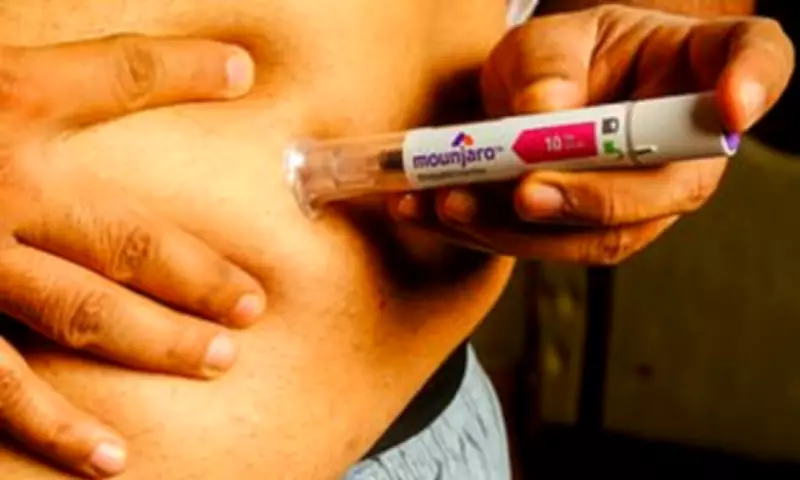
NHS Introduces Bonus Scheme for GPs Prescribing Weight-Loss Injections
General practitioners across England are set to receive millions of pounds in bonuses under a new NHS contract designed to incentivise the prescription of so-called 'fat jabs' to their most severely obese patients. The deal will see a typical GP practice pocket an additional £3,000 per year if they administer Mounjaro to at least eight out of every ten eligible individuals on their patient list.
Accelerating the Rollout of Mounjaro
Health officials hope that these financial incentives will encourage family doctors to accelerate the rollout of Mounjaro, a once-weekly injection that can help patients lose up to one-fifth of their body weight in just over a year. Despite being authorised to prescribe the treatment for the past eight months, not all practices are currently offering it, according to the Department of Health and Social Care.
An estimated 2.4 million people in the UK are currently using weight-loss medications, but severe rationing by the NHS means the vast majority are forced to purchase them privately at a cost of approximately £200 per month. NHS England has implemented a phased 12-year rollout plan, with only 220,000 patients prioritised during the initial three-year period.

Eligibility Criteria and Clinical Need
The injection is currently available on the health service to individuals who are severely obese, defined as having a body mass index over 40, and who also suffer from complicating illnesses such as high blood pressure, obstructive sleep apnoea, cardiovascular disease, or type 2 diabetes.
Health Secretary Wes Streeting commented on the initiative, stating: 'Weight-loss drugs can be a real game changer for those who need them. I'm determined that access should be based on need, not ability to pay.' He further highlighted concerns about private purchases and unlicensed drugs, adding: 'Outside the NHS, we've seen those who can spare the cash buying privately, and the proliferation of rogue prescribers peddling dangerous unlicensed drugs that are putting patients at risk.'
Wider Public Health Strategy
This incentive scheme forms part of a broader public health package aimed at alleviating the £11 billion burden that obesity places on both the health service and the economy. Streeting emphasised: 'These new incentives for GPs will bring the principle of fairness – which has always underpinned the NHS – to obesity jabs, with the phased rollout to those with highest clinical need first.'
In addition to bonuses for prescribing Mounjaro, GPs will also receive extra payments for referring patients to weight management services, where they can access advice on healthy eating and exercise. The total value of these weight-related bonuses could reach up to £25 million.
Potential Impact on GP Workloads
NHS England has previously indicated that if all eligible patients – estimated to be over three million – sought the drug in the first year, and 70% of those commenced treatment, the impact on primary care would be profound. This scenario could see weight-loss drug appointments accounting for nearly one in five (18%) GP consultations.
Professor Victoria Tzortziou Brown, chair of the Royal College of GPs, expressed caution: 'At present, weight-loss medications on the NHS are targeted at those with the greatest clinical need, in line with national guidance and the capacity of local services. GPs are prescribing within these parameters.' She stressed that decisions about eligibility and rollout are made nationally, based on evidence regarding safety, effectiveness, and capacity.
Professor Brown added: 'While long-overdue investment in general practice is welcome, GPs do not withhold treatment or prescribe based on financial incentives. Decisions are guided by clinical judgment and what is safest and most appropriate for individual patients.' She warned that widening the rollout could increase workload unsustainably and raise unrealistic expectations among ineligible patients.

Pharmacy Sector Calls for Greater Involvement
Henry Gregg, chief executive of the National Pharmacy Association, which represents around 6,000 independent pharmacies in the UK, criticised the slow pace of the NHS rollout. He stated: 'The NHS rollout of weight-loss treatments remains very slow and only a handful of patients are being treated. In some parts of the country, it has hardly begun at all.'
Gregg advocated for greater utilisation of pharmacy expertise: 'The Government should be using the expertise pharmacies have in this area to support the NHS reach more patients, rather than overstretched GPs. Community pharmacies can provide a patient with the care they need to achieve a sustainable weight loss, through wraparound support and careful lifestyle changes, where a patient is eligible for treatment.'