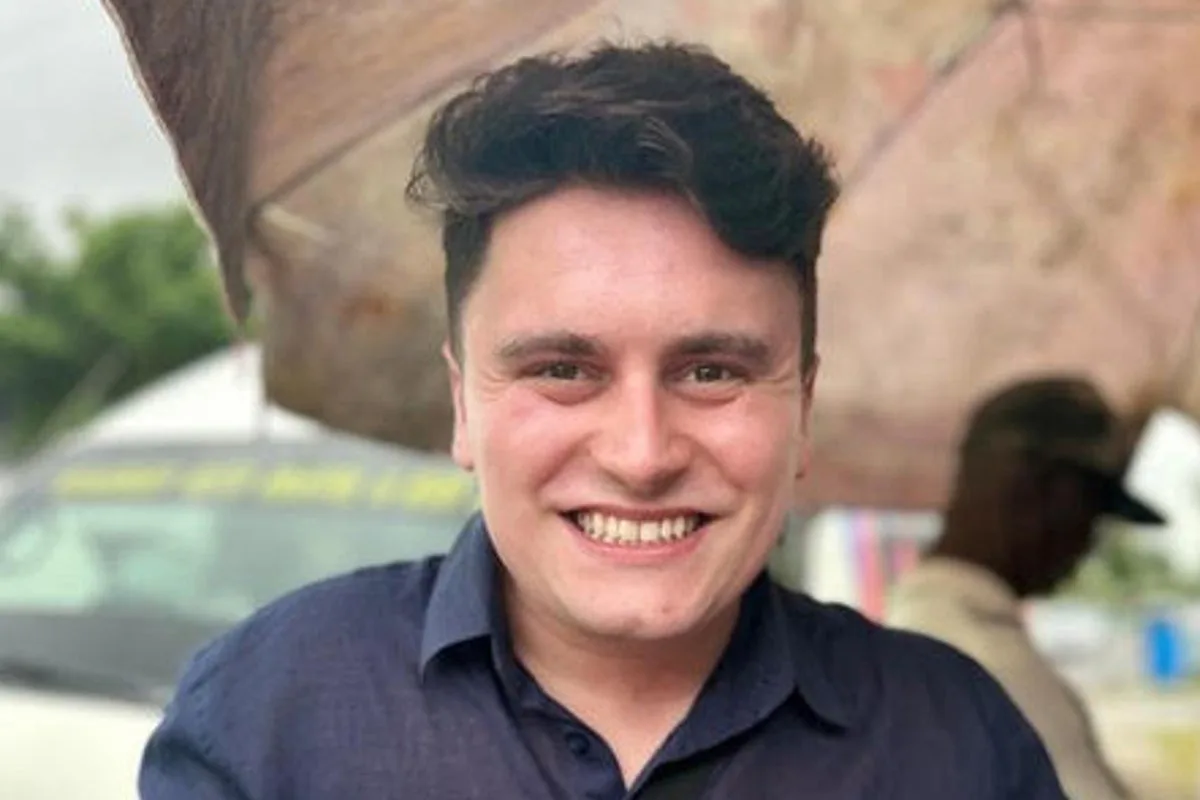
Medical Student's Brain Tumour Symptoms Repeatedly Dismissed as Stress
Alex Warwick, a fourth-year medical student at Liverpool University, experienced stroke-like symptoms during a dinner with friends last May. His father, Ian Warwick, recalls receiving a midnight phone call where Alex apologised for causing concern just before his sibling's wedding. Ian and his wife Indira immediately drove from their Dorset home to Liverpool.
Alex's friends rushed him to hospital, where he suffered potentially fatal seizures upon arrival. "Without them, there is a chance that Alex would not be here," Ian acknowledges gratefully. Emergency brain surgery revealed a shocking diagnosis: a grade 4 cancerous brain tumour with an aggressive nature and typically poor prognosis of 12 to 18 months.
Years of Symptoms Ignored by Medical Professionals
What made this diagnosis particularly devastating was that Alex had been experiencing concerning symptoms since his teenage years. He suffered from extreme fatigue, including falling asleep during his Geography GCSE exam, and experienced temporary facial paralysis episodes. Despite approximately 50 medical appointments with GPs, sleep specialists, and neurologists, professionals consistently attributed his symptoms to examination stress and later to health anxiety common among medical students.
"We were reassured by a lot of medical experts that it was down to stress because of GCSEs. And then his A-levels. And then his medical degree," Ian explains. Alex was eventually prescribed cognitive behavioural therapy for what doctors believed was health anxiety, while a simple scan could have detected the growing tumour much earlier.
The Psychological Impact of Repeated Reassurance
Ian describes how constant medical reassurance created a dangerous normalisation of Alex's serious symptoms. "The reassurance from all the medical professionals meant that the likelihood of escalation of his case was reduced. It is almost as if normalisation accumulates," he observes. This psychological barrier prevented both Alex and his family from pushing for further investigation despite their persistent concerns.
Alex himself reflects on why his symptoms were repeatedly missed. "All the GP and neurological exams were normal because I was not having any episodes at the time. I present really well. I am articulate and fit, so no one would think even now that there would be anything wrong with me," he explains with remarkable understanding.
Advocating for Jess's Rule Implementation
The Warwick family now advocates for Jess's Rule, an NHS England patient safety initiative launched in September 2025. This protocol requires GPs to "reflect, review and rethink" diagnoses when patients present three times with identical or worsening symptoms. Named after Jessica Brady, who died from cancer in 2020 after multiple missed diagnoses, the rule promotes face-to-face examinations and specialist referrals to prevent serious illnesses from being overlooked.
"Even if something is uniquely rare, that should not rule it out," Ian emphasises. "None of this is about pinning blame, but if someone presents five or six times with the same thing, take it seriously. Escalate and be more curious about why."
Treatment Journey and Family Response
Following his diagnosis, Alex underwent surgery that removed most of the tumour, followed by radiotherapy and chemotherapy. His parents relocated to Liverpool to support him during treatment, with his sisters visiting every weekend for months. Initially, the treatment appeared effective, but new symptoms emerged over Christmas, and an MRI revealed the cancer had spread to his spinal cord as leptomeningeal disease.
With NHS treatment options exhausted, the family researched alternatives and discovered cutting-edge immunotherapy available in Germany. German laws permit more experimental treatments for patients with less than a year to live, but the treatment comes with substantial costs of approximately £200,000 including insurance and travel expenses.
Crowdfunding for Experimental Treatment
Alex's sisters launched a JustGiving fundraising campaign with support from the Brainstrust charity, describing Alex as "the kindest, funniest son, brother, boyfriend, friend and grandson" who faces his diagnosis with "characteristic strength, humour and optimism." The family recently completed their first treatment trip to Cologne, restoring their sense of agency in Alex's care.
Despite the challenges, the Warwick family maintains remarkable positivity. "We are a close family and we could not have done this without each other," Ian shares. Alex reads every message on his fundraising page nightly, finding hope in the outpouring of support. "He is the centre of our world and utterly, utterly loved," his father concludes, highlighting their unified approach to facing this medical crisis together.




