Measles Outbreak Spreads Across Britain as Experts Issue Urgent Warning
Health experts have issued a stark warning that a measles outbreak originating in London could rapidly spread across the entire country, putting unvaccinated individuals at serious risk. The highly contagious viral disease, which was officially declared as having re-established itself in the UK from 2024 by the World Health Organization, is showing alarming signs of resurgence due to declining vaccination rates.
London Outbreak Sparks National Concern
The current outbreak in the north London borough of Enfield has already resulted in 34 laboratory-confirmed cases, with several patients requiring hospitalisation. Dozens more suspected cases are under investigation, and public health officials anticipate the official confirmed numbers will rise significantly in coming weeks. The outbreak has prompted warnings that measles will inevitably spread beyond the capital to other regions.
Other counties have begun issuing urgent alerts to parents, urging them to verify their children's vaccination status. Southend City Council has specifically warned that rising cases are "likely to reach Essex, Southend and Thurrock" in the near future, highlighting the rapid transmission potential of this dangerous disease.

Why Measles Is Making a Dangerous Comeback
Dr Ben Kasstan-Dabush of the London School of Hygiene & Tropical Medicine explained the concerning trend: "There has been a downward trend in routine childhood vaccination coverage over the past decade, and this has resulted in nationwide measles outbreaks since 2024 with cases recorded in every local authority."
He added with grave concern: "Patchy vaccination coverage is allowing measles to spread and is putting children at risk of serious complications, and at risk of death - as we saw last year in Liverpool."
The World Health Organization awards measles elimination status to countries when vaccine coverage exceeds 95% - the threshold required to achieve herd immunity. Britain has fallen below this critical level, creating ideal conditions for the virus to spread through vulnerable populations.
Early Symptoms That Mimic Common Illnesses
Niamh McMillan, pharmacy superintendent at Superdrug, highlighted the diagnostic challenge: "Measles is a highly contagious viral infection, which can have serious health consequences, especially for young children, pregnant women and those with weakened immune systems. Early detection and vaccination are key to protecting yourself and others from this potentially dangerous illness."
She emphasized: "Measles typically begins with cold-like symptoms, which can make it difficult to distinguish from other common illnesses."
Key Measles Symptoms to Recognize
High Fever: "One of the earliest signs, often starting around 10-12 days after exposure to the virus," explains Niamh McMillan. Medical professionals note that fever management is crucial during this phase.
Cough, Runny Nose and Sore Throat: "The symptoms can mimic a cold and usually accompany the fever," says McMillan. This similarity to common respiratory infections often leads to delayed diagnosis.
White Spots Inside the Mouth: Known medically as Koplik spots, these distinctive markers appear on the inner lining of the cheek. "Not everyone with measles will have these spots, which usually last for a few days," McMillan clarifies.
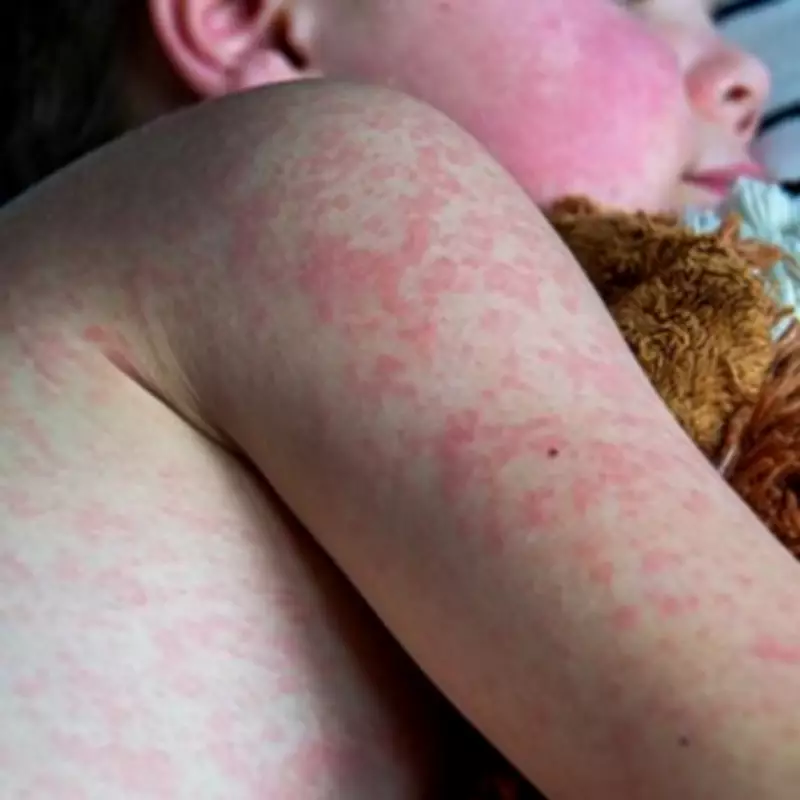
Rash: "The most typical symptom of measles, which usually starts on the face and spreads to the rest of the body," describes McMillan. "It usually appears three to five days after first signs of symptoms and lasts for several days. The rash can be flat or slightly raised and join together into larger patches."
How Measles Spreads So Effectively
Niamh McMillan detailed the transmission mechanism: "The measles virus spreads through respiratory droplets, when an infected person coughs or sneezes. The virus can live in the air for up to two hours, making it easy for the disease to spread, especially in crowded environments, such as public transport and office settings."

This airborne persistence explains why measles outbreaks can quickly escalate in urban areas and why vaccination remains the only reliable protection against this dangerous disease that health experts warn could cause widespread illness across Britain if vaccination rates don't improve significantly.