Measles Outbreak in London: A Growing Concern for Unvaccinated Children
A measles outbreak in London is primarily impacting unvaccinated children under the age of 10, coinciding with a significant increase in infections worldwide. This development follows the UK losing its measles-free status, as designated by the World Health Organization (WHO) last month, alongside five other countries. Health experts are urgently calling for governments to enhance vaccination rates to prevent further spread among vulnerable populations.
Understanding Measles: A Highly Contagious Viral Illness
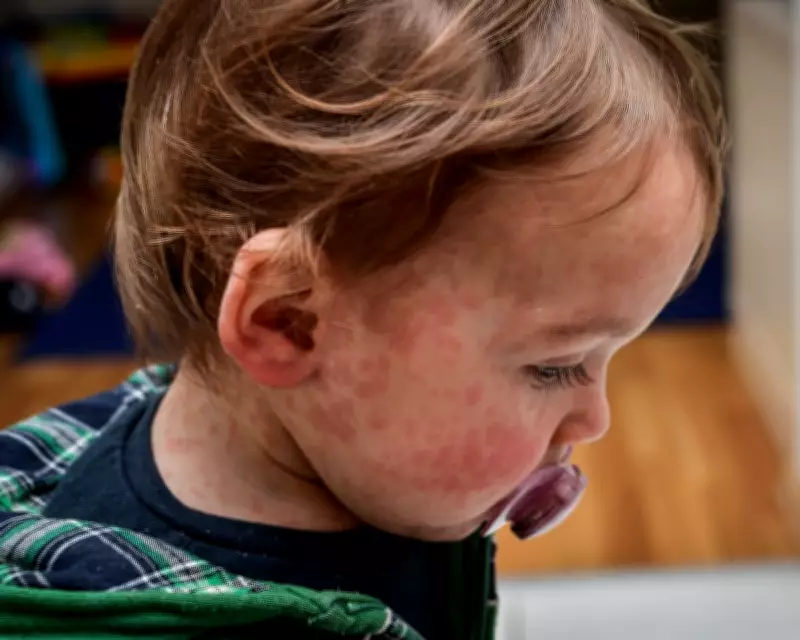
Measles is an extremely infectious viral disease that spreads easily among individuals who are not fully vaccinated. The illness typically begins with symptoms resembling a cold, such as a runny nose and cough, followed by the appearance of a rash several days later. This rash initially emerges on the face and behind the ears before progressing to cover the rest of the body.
The spots of the measles rash are generally not itchy but may be raised and merge into blotchy patches. Some individuals might also notice small spots inside their mouth, adding to the discomfort and visibility of the infection.

How Measles Spreads and Prevention Measures
Measles transmission occurs when an infected person breathes, coughs, or sneezes, releasing viral particles into the air. Alarmingly, a single case can lead to up to 18 secondary infections, with nine out of ten unvaccinated individuals contracting the disease if exposed. An infected person remains contagious from the onset of symptoms, approximately four days before the rash appears, until four days after the rash has developed.
To reduce the risk of measles spreading, health authorities recommend several preventive actions:
- Open windows and doors to improve ventilation in indoor spaces.
- Frequently wash hands with soap and warm water.
- Use tissues when coughing or sneezing and dispose of them immediately.
- Avoid sharing personal items such as cutlery, cups, towels, clothing, or bedding.
Risks and Complications Associated with Measles
While many people recover from measles, the disease can lead to severe complications, including pneumonia or brain inflammation. In rare instances, it may result in long-term disability or even death. Babies and individuals with weakened immune systems are particularly vulnerable. Additionally, measles poses risks during pregnancy, potentially causing miscarriage, stillbirth, premature birth, or low birth weight in newborns.
Despite the availability of a safe and cost-effective vaccine, the WHO reported 95,000 measles deaths globally in 2024, predominantly among unvaccinated children under five years old. This highlights the critical need for widespread immunization efforts.
Why Measles Cases Are Increasing Globally
Measles is entirely preventable through vaccination but remains highly contagious, often rebounding quickly when vaccination rates decline. Health experts attribute the rise in measles outbreaks worldwide to growing vaccine skepticism and mistrust, exacerbated by the Covid-19 pandemic. In January, the UK, along with Spain, Austria, Armenia, Azerbaijan, and Uzbekistan, lost its measles-free status, which requires an absence of endemic cases for at least 12 months.
This challenge is not isolated; several European nations, such as France and Romania, already experience regular measles transmission. Canada lost its elimination status in 2025, and the United States is struggling to maintain its status amid rising infections, underscoring a global health crisis.
Strategies to Combat Measles and Achieve Herd Immunity
Herd immunity, achieved through community-wide vaccination, is the only effective method to prevent measles outbreaks. The WHO emphasizes that a 95% vaccination coverage rate is necessary due to measles being one of the world's most infectious diseases, capable of remaining contagious in the air or on surfaces for up to two hours.
In the UK, only 84% of children received the two required doses for full protection in 2024, leading to 2,911 confirmed cases in England that year—the highest number since 2012. Globally, the proportion of children receiving a first dose of the measles vaccine was also 84% in 2024, down from 86% in 2019, indicating a troubling trend.

Protecting Your Child: Vaccination and Symptom Awareness
There is no specific treatment for measles, but two doses of a measles vaccine offer high levels of protection and help prevent further outbreaks. Both the MMRV and MMR vaccines protect against measles, mumps, and rubella, with the MMRV vaccine also providing immunity against chickenpox. These vaccines are typically administered to children at 12 months and 18 months of age.
Symptoms of measles usually appear 10 to 14 days after exposure to the virus, with a prominent rash being the most noticeable sign. Early symptoms, lasting four to seven days, include a runny nose, cough, red and watery eyes, and small white spots inside the cheeks. The rash develops about seven to 18 days after exposure, starting on the face and upper neck and spreading over three days to the hands and feet, lasting up to a week before fading.
By staying informed and ensuring timely vaccination, parents can play a crucial role in safeguarding their children and contributing to public health efforts against measles.