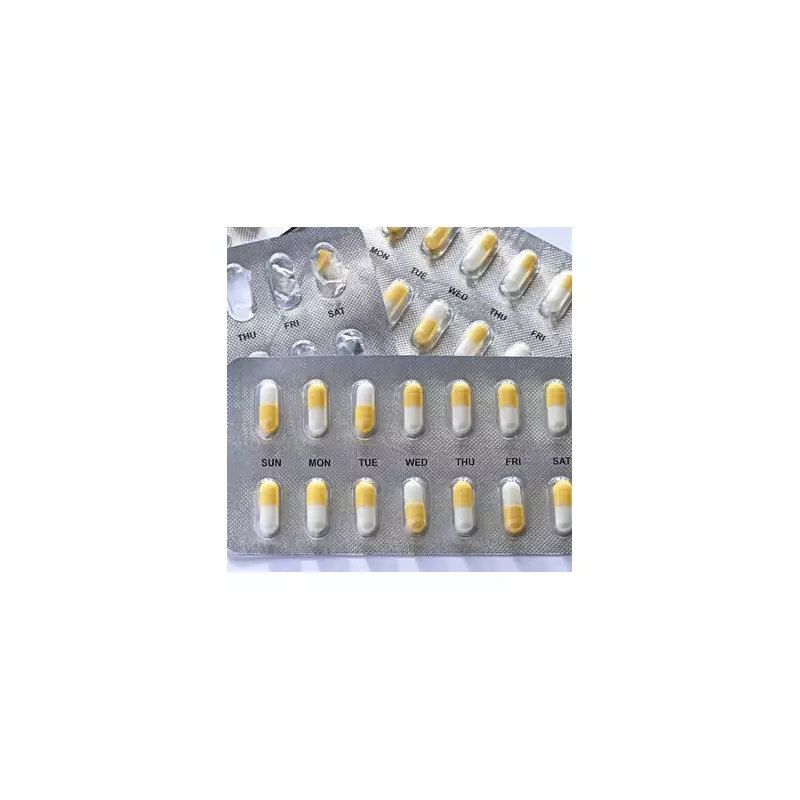
Health professionals are issuing a crucial warning to the millions of Britons taking daily statins: consuming a common citrus fruit could trigger a potentially "toxic" reaction in the body.
The Scale of Statin Use in the UK
According to the British Heart Foundation, approximately seven to eight million adults across the UK are prescribed statins to manage elevated cholesterol levels. These vital medications work by reducing the liver's production of cholesterol and helping to clear 'bad' LDL cholesterol from the bloodstream. As high cholesterol is often a silent condition with no symptoms, managing it is key to preventing serious cardiovascular events like heart attacks and strokes.
Why Grapefruit Poses a Serious Risk
The unexpected dietary hazard for many on this lifelong treatment is grapefruit, including its juice. Experts from Harvard Health Medical School explain that a specific chemical interaction is to blame. Statins are metabolised in the gut by an enzyme called CYP3A before entering the bloodstream.

Grapefruit contains compounds known as furanocoumarins, which block this essential enzyme. This disruption leads to much more of the drug being absorbed into the body than intended, which can, in some cases, make the medication "toxic".
Not All Statins Are Equally Affected
It is important to note that not every type of statin is severely impacted by grapefruit. The statins most significantly affected are atorvastatin, lovastatin, and simvastatin. A GP may advise patients taking these to either avoid grapefruit entirely or to consume it only in strict moderation, and they might even recommend switching to a different statin.
The exact quantity of grapefruit or its juice that can cause an adverse reaction varies from person to person. For some, a single glass of juice could be enough to cause complications, while others may tolerate small amounts.
Critically, patients should never alter their diet or medication routine without first consulting their doctor or pharmacist.
Safe Citrus Alternatives
The good news for those on statins is that most other citrus fruits are considered safe to enjoy. Medical advice suggests that patients can typically consume oranges and a variety of other options without concern. Safe citrus alternatives include:
- Blood oranges
- Clementines
- Lemons and limes
- Mandarins and tangerines
This warning underscores the importance of being fully aware of how diet can interact with prescribed medications, ensuring that life-saving treatments like statins work safely and effectively.