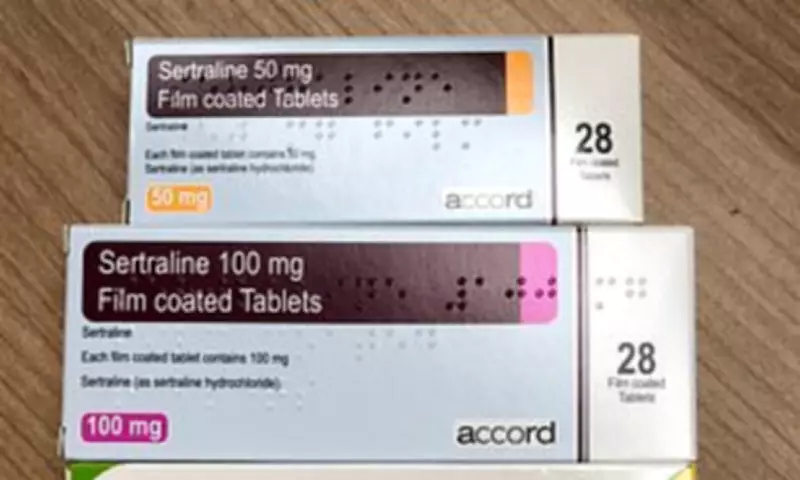
A grandmother from Kent tragically died after accidentally overdosing on sertraline, a widely prescribed antidepressant used by millions across the United Kingdom, as detailed in a recent inquest. Grace Uludag, aged 55, was discovered to have elevated levels of the medication in her bloodstream when she passed away at her home in November of last year.
Details of the Incident
On the day preceding her death, Ms Uludag experienced feelings of unwellness, reporting symptoms such as dizziness and shortness of breath. She was advised to summon an ambulance but hesitated due to her reluctance to attend Accident and Emergency departments, often citing lengthy waiting times as a deterrent.
On November 11, she became dizzy at her residence, fell, and struck her head against a wall. Despite her daughter promptly calling for an ambulance and paramedics arriving at the scene, Ms Uludag suffered a cardiac arrest and died at home.

Toxicology Findings and Coroner's Conclusion
Toxicology tests conducted post-mortem revealed that Ms Uludag had 1.94 milligrams of sertraline per litre of blood in her system. Medical experts informed the hearing that concentrations exceeding 1.5 milligrams per litre are recognized as a contributing factor in fatalities.
Delivering her conclusion, the coroner stated: 'I am satisfied she died as a result of an overdose but there is no evidence it was intentional. There was never any indication of her being suicidal. She contacted the GP the day before because she felt unwell and dizzy.' The medical cause of death was officially recorded as an accidental sertraline overdose, which the coroner described as an 'unexpected and unintended consequence'.
Understanding Sertraline and Its Usage
Sertraline, marketed under brand names such as Lustral in the UK and Zoloft in the US, is one of the most commonly prescribed antidepressants in Britain. In 2024 alone, over 24.4 million prescriptions for this drug were dispensed in England.
This medication belongs to a class known as selective serotonin reuptake inhibitors (SSRIs), which function by increasing serotonin levels in the brain. SSRIs are frequently prescribed to treat conditions including depression, obsessive-compulsive disorder, panic disorder, post-traumatic stress disorder, and social anxiety disorder.
The standard starting dose is 50mg once daily, with a maximum recommended dose of 200mg per day. Symptoms of SSRI poisoning can encompass nausea, vomiting, agitation, tremor, drowsiness, and an elevated heart rate. In severe instances, convulsions may occur.
Risks and Side Effects
In rare cases, excessive serotonin levels can trigger serotonin syndrome, a potentially life-threatening condition. Last month, the NHS issued a warning that this syndrome may arise when SSRIs are taken alongside other medications that also boost serotonin levels, such as certain migraine drugs, pain medications like tramadol, herbal supplements including St John’s wort, and cough medicines containing dextromethorphan.
Symptoms of serotonin syndrome may include confusion, agitation, muscle twitching, sweating, shivering, and diarrhoea. In rarer scenarios, patients might experience hallucinations and an inability to urinate. The NHS also cautions that some individuals may have suicidal thoughts and a desire to self-harm when initially taking SSRIs.
Additionally, a significant concern has been the libido-dampening side effects associated with these drugs, with some users reporting persistent sexual dysfunction even after discontinuing use. This issue gained public attention in 2023 when Scottish singer Lewis Capaldi discussed his experiences in a Netflix documentary, highlighting the impact on his sexual health.
Medical Perspectives and Family Statements
Doctors emphasize that antidepressants like sertraline are generally safe when taken as prescribed. The NHS advises patients against stopping these medications abruptly, as doing so can lead to withdrawal symptoms.
A major study published in The Lancet last year found that some antidepressants, including sertraline, can cause changes in weight, heart rate, and cholesterol levels during the first eight weeks of treatment. Researchers from King’s College London recommended that treatment guidelines should reflect the varying risks between different drugs.

A statement read on behalf of Ms Uludag's family during the inquest affirmed that there was never any suggestion she intended to harm herself. 'She lived for her family and grandchildren, who brought her joy and miss her deeply,' it said.
Her daughter expressed confusion and concern during the hearing, questioning how such an overdose could have occurred. 'She wanted to feel better. She did not expect any of this. My concern was the dose - was it too high? I am very confused about why that happened,' she stated.
What is Serotonin Syndrome?
Serotonin syndrome is a set of side effects linked to SSRIs and SNRIs (serotonin-norepinephrine reuptake inhibitors). While not common, it can be serious and occurs when serotonin levels become excessively high, typically triggered by combining SSRIs with other substances that also elevate serotonin.
Symptoms include confusion, agitation, muscle twitching, sweating, shivering, and diarrhoea. Individuals experiencing these symptoms are advised to seek immediate medical advice from their GP or specialist, or contact NHS 111 if unavailable.