Groundbreaking Cognitive Rehabilitation Programme Launched for Child Brain Cancer Survivors
Experts at Great Ormond Street Hospital (GOSH) have developed a pioneering cognitive rehabilitation programme specifically designed for children who have undergone treatment for brain cancer. This innovative initiative aims to address a significant gap in post-treatment care within the NHS, where no tested cognitive rehabilitation programmes currently exist for young survivors of brain tumours.
The Critical Need for Post-Treatment Support
Children who survive brain cancer often face a range of debilitating challenges long after their medical treatment concludes. These include persistent issues with memory, attention deficits, and cognitive fatigue that can severely impact their daily lives and development. The new programme is tailored to help children and their families manage these difficulties through structured rehabilitation techniques.
Currently, the programme is being trialled with a small group of children, with the goal of assessing its feasibility and acceptability among participants aged seven to seventeen. The study, funded by the National Institute for Health and Care Research and the Success Charity – Life After Cure, compares different approaches: cognitive rehabilitation combined with fatigue management, cognitive rehabilitation alone, and standard healthcare.

Sophia Chant's Transformative Journey
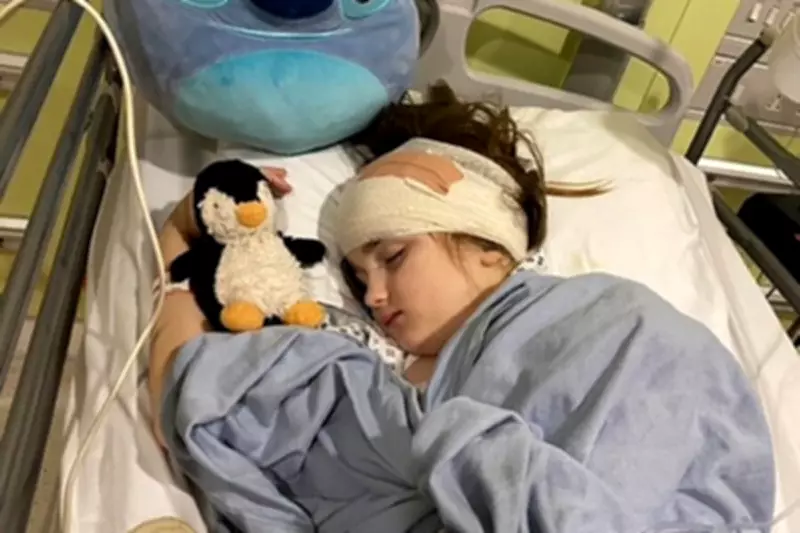
One of the first participants is eleven-year-old Sophia Chant from Leigh-on-Sea in Essex, whose experience highlights the programme's potential impact. Diagnosed with hydrocephalus at just five months old, Sophia was transferred to GOSH where further investigations revealed a brain tumour. Her early childhood was marked by extensive hospital stays, including chemotherapy, multiple operations, and follow-up appointments.
Since entering remission in 2017, Sophia has continued regular check-ups. She is now one of thirty-six children participating in the study evaluating this new rehab programme. Her mother, Nina Chant, 41, describes the programme as "life-changing" for their family.
"It's given us a way forward as a family," Nina explains. "It's helped Sophia understand her brain fatigue and problems with her memory, and her different feelings and emotions. We've learned practical techniques to apply at home and school, with the team providing kind, supportive sessions both online and in-person."
Paving the Way for National Services
The findings from this trial are expected to inform a larger UK-wide study and could lead to the establishment of national cognitive rehabilitation services for children and young people who have survived brain tumours. Dr Charlotte Malcolm, chief investigator and principal clinical neuropsychologist at GOSH, emphasises the programme's significance.
"This is the first trial of its kind in the UK exploring cognitive rehabilitation tailored for children and young people after brain tumour treatment," Dr Malcolm states. "We aim to empower families with tools to manage cognitive challenges and improve quality of life. Despite national guidelines recommending such rehabilitation, access is limited due to research gaps, funding issues, and practical barriers. This trial seeks to address that critical need."
The programme represents a hopeful step toward comprehensive post-treatment care, ensuring that child brain cancer survivors receive the support necessary to thrive beyond their medical recovery.