Great Ormond Street Hospital (GOSH) has introduced a pioneering cognitive rehabilitation programme specifically designed for children who have undergone treatment for brain cancer. This innovative initiative aims to fill a substantial void in NHS services, as there are currently no established, evidence-based cognitive rehabilitation options available for young patients grappling with post-treatment challenges such as memory loss, attention deficits, and cognitive fatigue.
Addressing a Critical Gap in Paediatric Care
The programme is currently in a trial phase, involving 36 children aged between seven and 17 years old. This initial study focuses on assessing the feasibility and acceptability of the intervention, with researchers closely monitoring its impact on participants' cognitive functions and overall well-being. The lack of tested services for cognitive rehabilitation in children has long been a concern within the healthcare community, making this development a significant step forward in paediatric oncology support.
Life-Changing Impact for Participants
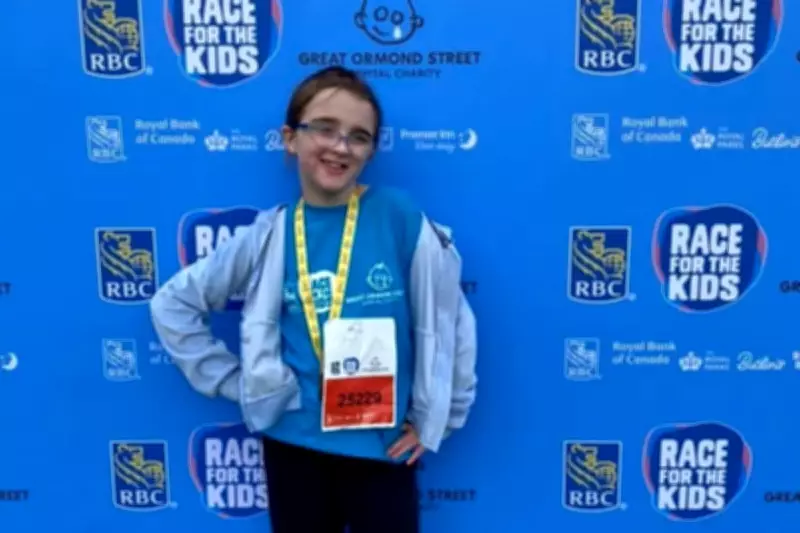
One of the young participants, 11-year-old Sophia Chant, along with her family, has described the programme as "life-changing." They report that it provides essential techniques to manage brain fatigue and navigate emotional difficulties that often accompany recovery from brain cancer. This feedback underscores the potential of the programme to transform the post-treatment experience for children, offering practical tools to enhance their daily lives and academic performance.

Future Prospects and National Implications
The findings from this preliminary trial are anticipated to lay the groundwork for a more extensive, UK-wide study. If successful, this could lead to the establishment of national cognitive rehabilitation services tailored for children and young people recovering from brain cancer. Such services would represent a major advancement in supportive care, ensuring that survivors receive comprehensive rehabilitation to address cognitive and emotional needs, ultimately improving long-term outcomes and quality of life.
This programme not only highlights GOSH's commitment to innovation in paediatric healthcare but also signals a broader shift towards more holistic approaches in cancer survivorship. By focusing on cognitive rehabilitation, it addresses an often-overlooked aspect of recovery, promising a brighter future for young brain cancer survivors across the United Kingdom.