Winter Fuel Payment Cuts Linked to 2,544 Cold Weather Deaths Among Pensioners
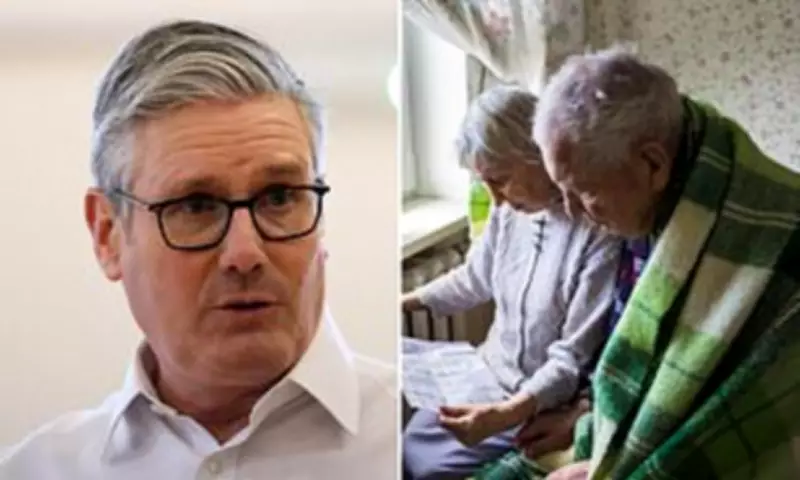
Damning new figures from the UK Health Security Agency (UKHSA) have revealed that thousands of people died as a result of cold weather last winter, with charities pointing to the "deadly consequences" of the Labour government's decision to strip pensioners of fuel payments. The data, which links 2,544 deaths to low temperatures between November 2024 and January 2025, has sparked outrage and accusations that the government failed to protect society's most vulnerable.
Policy Change Leaves Millions Without Support
The controversy stems from a government announcement in July 2024 to restrict winter fuel payments to pensioners receiving specific benefits, a move intended to cut public spending. This decision resulted in ten million fewer people receiving assistance with their fuel bills in the 2024/25 period compared to previous years. The change came amid a crippling surge in energy prices, largely attributed to the ongoing war in Ukraine, which pushed numerous households into severe fuel poverty.
Simon Francis, a representative from the End Fuel Poverty Coalition, highlighted the dire situation, stating that high energy costs combined with the reduction in winter fuel payments forced many pensioners to reduce their energy usage "to a dangerous extent." This cutback, he argued, directly contributed to the alarming mortality rates observed during the coldest months.

Cold Snaps and Mortality Peaks
This marks the first time the UKHSA has published estimates of deaths associated with cold weather in England. The study found that fatalities were most common among men and the elderly, with deaths concentrated around three significant cold snaps where average temperatures dropped below 2°C for at least two consecutive days. The most severe period was a six-day spell from January 7, which alone accounted for 1,630 deaths. During this time, the typical household energy bill under Ofgem's price cap exceeded £1,700, placing immense financial strain on many.
Cold weather poses serious health risks, as it causes blood vessels to narrow and blood to thicken, increasing the likelihood of heart attacks and strokes. Additionally, it can lead to tightened airways and breathing difficulties, particularly affecting those with pre-existing conditions. The UKHSA research noted that mortality peaks typically occur around five days after cold weather events, underscoring the delayed but deadly impact of exposure to low temperatures.
Political Backlash and Calls for Accountability
Even Labour MPs have voiced criticism of their own party's handling of the situation. Rachael Maskell, a Labour MP, told the Daily Mail, "While the UK remains one of the richest countries, it failed to protect the poorest and frailest." Her comments reflect a growing concern within the party about the social and human cost of the policy change.
Dr. Agostinho Sousa of the UKHSA emphasized the importance of the data, saying, "Understanding who is most affected and how these risks are changing helps us better support vulnerable groups." However, charities argue that the government's actions have already had irreversible consequences.
In response, a government spokesman defended their efforts, stating, "We provided support this winter through the Warm Homes Plan, winter fuel and cold weather payments." Despite this, the stark figures have ignited a debate over the adequacy of current measures and the need for more robust protections for pensioners and low-income households during harsh winter conditions.