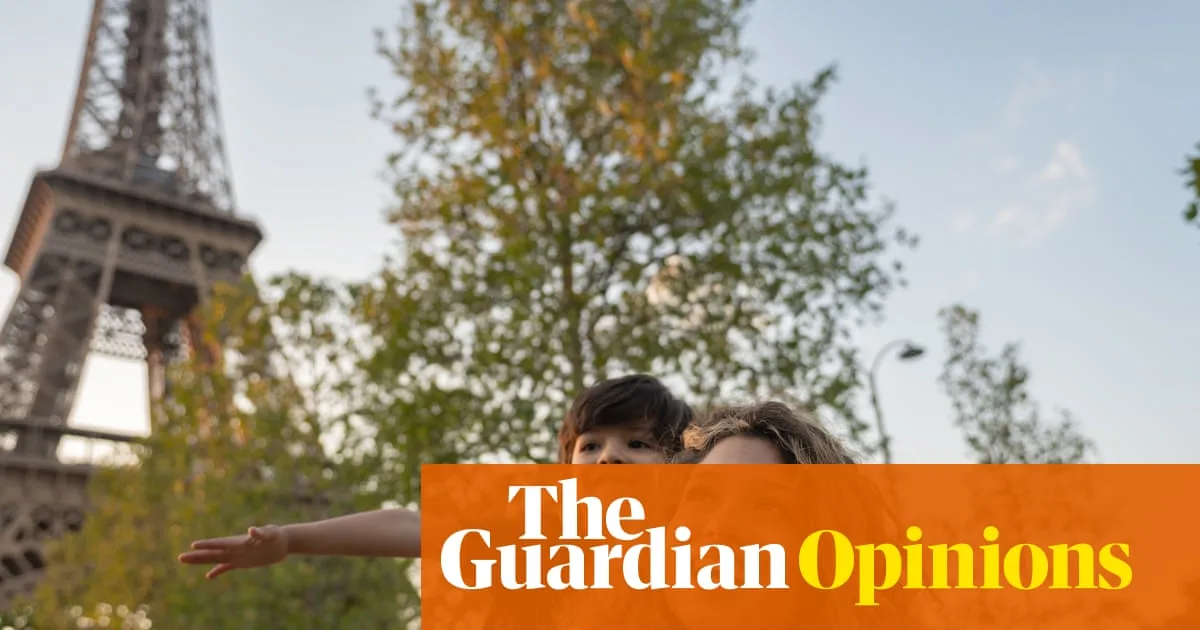
France's Controversial Letter Campaign Urges 29-Year-Olds to Have Children
France Urges 29-Year-Olds to Have Children in Letter Campaign

France Launches National Campaign to Address Declining Birth Rates

In a bold and controversial move, the French government has initiated a nationwide campaign targeting all citizens aged 29. The health ministry is dispatching letters to hundreds of thousands of young adults, urging them to consider starting families or preserving their fertility before it becomes "too late." This initiative forms a critical component of a comprehensive 16-point strategy designed to reverse France's troubling trend of dwindling birth rates.

Scientific Basis and Reproductive Health Information

The official correspondence aims to deliver "targeted, balanced and scientifically based information on sexual and reproductive health." A primary objective is to prevent the pervasive "if only I had known" mentality regarding fertility timelines. Officials highlight that infertility currently impacts one in eight couples across France, affecting approximately 3.3 million individuals according to a 2022 government report.

Health Minister Stephanie Rist has refocused ministerial efforts on this issue, stating that the "challenges of infertility have been analysed in all their aspects" to facilitate the "immediate launch of concrete and long-awaited measures." She clarified that the role of politicians is "not to dictate whether or not to have children," but rather to enhance public education on fertility options.

Wide Pickt banner — collaborative shopping lists app for Telegram, phone mockup with grocery list

Specifics of the Letter and Fertility Preservation

The age of 29 was strategically selected because women in France can legally freeze their eggs at this age without requiring a medical certificate. The letter explicitly reminds female recipients that the national social security system covers the costs of egg freezing for women between the ages of 29 and 37. Furthermore, the communication addresses biological clocks for both genders, acknowledging that "the biological clocks are not the same but men have one too."

As part of the broader governmental plan, France intends to significantly expand its network of fertility preservation centres. The number of facilities dedicated to storing frozen eggs is projected to increase from 40 to 70, with potential involvement from private enterprises in this sector.

Criticism and Alternative Perspectives

Despite its intentions, the campaign has faced substantial criticism. Psychologist Marie-Estelle Dupont argued that extending maternity leave from 16 to 26 weeks would likely have a more substantial impact on birth rates than informational letters. Public reception has also been mixed.

Paul Brunstein-Compard, a 29-year-old standup comedian from Paris, described the initiative as "a little bit treating them like children." He expressed a personal desire to have children but cited current economic instability and environmental concerns as significant barriers. "Procreation is creating one more human who is going to pollute and consume. It is a secondary reason for me, but I have friends who are clear they do not want children because of that," he explained.

Brunstein-Compard suggested that if young people perceived the future in France as "more respectful, less discriminatory and more joyful," they might feel more inclined to start families. This sentiment underscores a broader debate about whether government policy can effectively address complex socio-economic and personal factors influencing fertility decisions.

Pickt after-article banner — collaborative shopping lists app with family illustration




