CalMac's £3.9bn Ferry Contract Drops Penalty Clauses Amid Reliability Crisis
CalMac's £3.9bn Contract Drops Penalty Clauses Amid Ferry Crisis

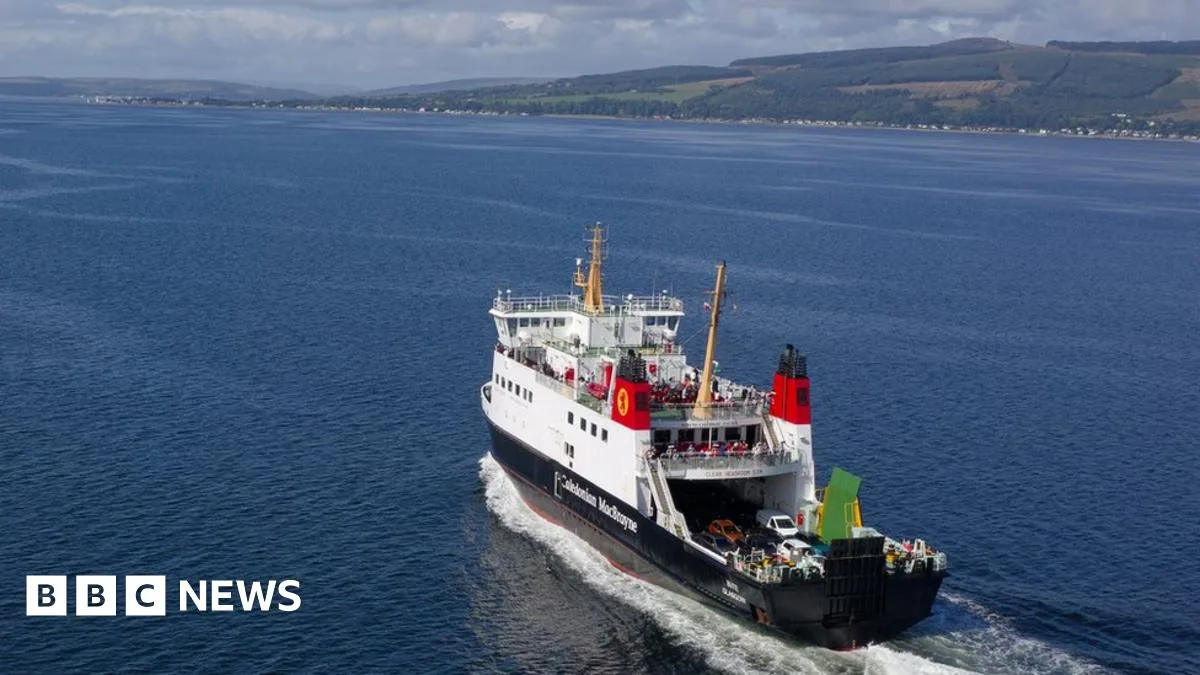
The Scottish Government has controversially removed all financial penalty clauses for service failures from Caledonian MacBrayne's (CalMac) new £3.9 billion ferry contract, sparking fierce criticism amid an escalating reliability crisis across Scotland's island communities.

Contract Rewrite Eliminates Accountability Mechanisms

Despite CalMac accumulating approximately £21 million in fines over the nine years preceding September 2023 under its previous commercial arrangement, the newly signed decade-long agreement—which brings ferry services under full public control—contains no provisions for financial penalties when performance targets are missed. This fundamental shift in contractual terms has occurred while islanders endure unprecedented disruption, with up to ten vessels simultaneously out of action in recent weeks, including the troubled new flagship MV Glen Sannox.

Political Outrage Over 'Rewarding Failure'

Opposition politicians have condemned the Scottish National Party (SNP) administration's decision as effectively 'rewarding failure' during a period of severe operational breakdowns. Scottish Conservative transport spokesperson Sue Webber described the contract rewrite as 'a humiliating admission of how badly the SNP has managed the fleet and how regularly vessels are now breaking down.'

Wide Pickt banner — collaborative shopping lists app for Telegram, phone mockup with grocery list

Scottish Labour's transport spokesman Daniel Johnson echoed these concerns, stating: 'It sends the wrong message for the SNP to scrap all penalties for poor performance.' The criticism extends beyond party lines, with Liberal Democrat candidate for Argyll and Bute Alan Reid arguing that 'the relationship between CalMac and the government is unhealthy' and that ministers appear more focused on 'sparing both their blushes' than enforcing service improvements.

From Financial Penalties to Monitoring Systems

Under the previous contractual framework, Transport Scotland imposed direct financial sanctions when CalMac failed to meet established benchmarks for reliability, punctuality, and service delivery. The new public service model replaces this penalty system with enhanced reporting requirements, continuous monitoring protocols, and escalation procedures that theoretically allow ministerial intervention, demands for improvement plans, or even contract termination in extreme circumstances.

However, community representatives remain deeply skeptical about this revised approach. John Daniel Peteranna of the South Uist Business Impact Group—which organized protests in 2023 over chronic ferry breakdowns—warned that the new arrangement means 'nobody is accountable' for persistent service failures that devastate island economies and communities.

New Vessels Plagued by Persistent Problems

The contractual changes coincide with continuing troubles for CalMac's fleet modernization efforts. The MV Glen Sannox, which finally began carrying passengers in January 2024 after years of delays and cost overruns, has already been out of service for more than 100 days due to technical issues. Its sister ship, MV Glen Rosa—intended to bolster CalMac's ageing vessel roster—remains unfinished and non-operational despite originally being scheduled for service years ago.

CalMac's own operational reports acknowledge that 'reliability remains below target,' attributing problems to 'a combination of technical issues and ongoing challenges with ageing fleet and port infrastructure.' The ferry operator has described having multiple ships simultaneously unavailable as an 'unprecedented' situation requiring urgent attention.

Government Defends Public Control Model

Transport Secretary Fiona Hyslop has positioned the shift to full public control as 'a catalyst for positive change,' with Transport Scotland asserting that the government and CalMac 'continue to work closely to resolve the issues impacting ferry services.' Nevertheless, the removal of financial consequences for underperformance—combined with the ongoing vessel availability crisis—has created a perfect storm of political controversy and public frustration that shows no signs of abating as Scotland's island communities bear the brunt of unreliable ferry connections.

Pickt after-article banner — collaborative shopping lists app with family illustration




