The February Drain: Why Winter Hits Night Owls Hardest
In northern climates, February carries a particular psychological and physical weight. Despite passing the winter solstice, these weeks often feel darker, longer, and more draining than December ever did. For society's "night owls"—individuals whose internal biological clocks naturally run later—this stretch of winter presents unique and significant challenges.
The Circadian Explanation
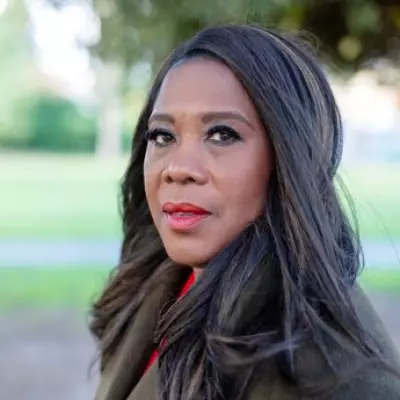
As a biological anthropologist specializing in sleep research, I witness this phenomenon unfold every winter. The scientific explanation centers on our circadian system—the body's intricate 24-hour internal clock that depends on morning light to maintain alignment with Earth's day-night cycle. After months of dim, delayed sunrises, this system experiences a critical shortage of the environmental cues necessary to sustain alertness and energy levels.
To comprehend this winter misalignment, we must examine our evolutionary heritage. Early human ancestors evolved near the equator, where sunrise and sunset times remain remarkably consistent throughout the year. In that stable environment, daylight served as a reliable zeitgeber (German for "time giver"), perfectly synchronizing our internal clock with the external world.

At higher latitudes, however, the light-dark cycle undergoes dramatic seasonal swings. Winter brings extended nights, weakened sunlight, and increased time spent indoors. Without consistent morning light exposure, our internal clocks gradually drift later. Many people experience this misalignment as persistent fatigue, irritability, low mood, difficulty waking, or even trouble falling asleep despite profound exhaustion.
The Chronotype Factor
Our chronotype—our biological preference for mornings ("larks") or evenings ("night owls")—significantly influences how intensely we experience these seasonal effects. Chronotype emerges from a complex interplay of genetics, age, and environmental factors. Research reveals that chronotype systematically shifts later with increasing latitude. Essentially, the farther north you reside, the more likely you are to possess a night owl chronotype.
This pattern makes intuitive sense: when sunrise creeps toward 8 a.m., the body's clock naturally adjusts later in response. The fundamental problem emerges because our social schedules remain rigidly fixed regardless of daylight hours. School start times, work hours, and societal expectations maintain their early structures.
The Lark-Centered World
Modern society predominantly operates around early chronotypes—creating what amounts to a lark-centered world. Early risers frequently receive praise for discipline and productivity, while late chronotypes often face blame for staying up late or struggling with morning wakefulness.
From an evolutionary perspective, chronotype variation likely served adaptive purposes. The sentinel hypothesis proposes that having different chronotypes within a group staggered sleep and wake times across nights, helping early human communities maintain vigilance against nighttime threats. We all participated in this built-in, rotating system of nocturnal protection.
In contemporary society, however, the strengths of night owls—including increased openness and extraversion—often go overlooked. Crucially, late chronotypes do not consciously choose their different schedules. They are biologically tuned to later rhythms. Forcing them into early mornings creates what researchers term social jet lag—the chronic mismatch between biological time and social time.
The Health Consequences
Social jet lag carries serious health implications. Studies associate it strongly with increased caffeine and alcohol consumption, higher smoking rates, and greater risk-taking behaviors. Research indicates that the likelihood of being overweight increases by approximately 33 percent for every hour of social jet lag experienced.
February creates a perfect storm of circadian challenges. While limited daylight affects everyone, late chronotypes face the compounded burden of social jet lag layered upon seasonal circadian misalignment. This combination explains why February feels particularly draining for night owls.

Winter Strategies for Night Owls
Several practical, evidence-based strategies can help align circadian rhythms and reduce social jet lag during winter's final stretch:
- Seek morning light exposure—even weak light provides benefits. Morning light represents the most powerful signal for synchronizing your circadian clock. If possible, get outside within the first hour of waking. When outdoor exposure proves impossible, use bright indoor light strategically. Bright light therapy during the first 30 minutes after waking can help shift circadian clocks earlier and improve mood.
- Manage evening light exposure. Switch to warm-toned bulbs during afternoons and evenings. Avoid blue light from screens in the hour before bedtime, as it suppresses melatonin production—the hormone signaling darkness to your body.
- Maintain consistent schedules. While sleeping in on weekends might help recoup sleep debt, it unfortunately increases social jet lag. Gradually shifting weekend bedtimes earlier by 10-15 minutes can better align free-day and work-day rhythms.
- Work with biological rhythms. Structure your workday strategically: postpone cognitively demanding tasks until late morning or early afternoon when circadian rhythms (and thus alertness) peak. Reserve early mornings for simpler, less demanding activities.
- Consider emerging approaches. Preliminary findings suggest saunas might play beneficial roles in sleep health—something to contemplate during cold, snowy February days.
The Turning Point
February may feel interminable, but it simultaneously represents a turning point. The slow return of light is already underway. For those naturally running on later schedules, remember that your chronotype constitutes neither a character flaw nor a personal failing. Late chronotypes occur more commonly among northern populations, shaped by both genetics and environmental factors.
The ultimate goal should not involve forcing ourselves into someone else's biological rhythm. Instead, we should seek ways to live in better alignment with our own biology and the world we inhabit. By understanding the science behind February fatigue and implementing targeted strategies, night owls can navigate winter's darkest weeks with greater resilience and wellbeing.