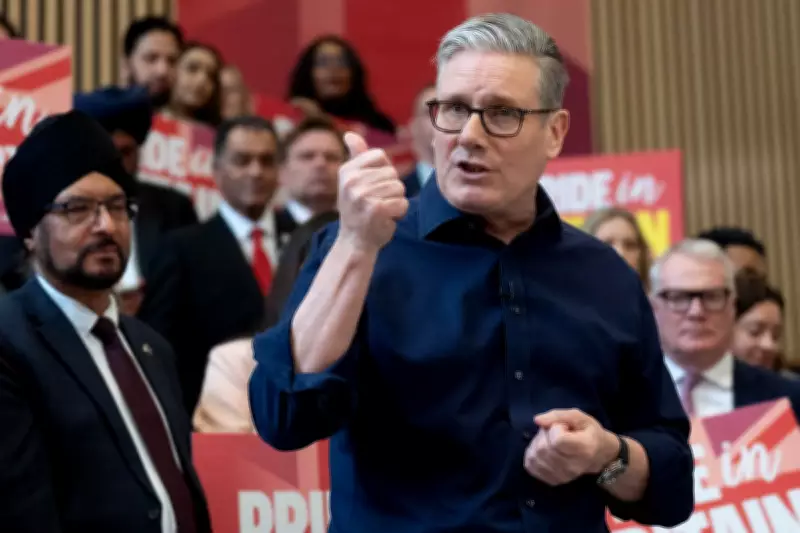
Starmer to Address Soaring Cost of Living Amid Iran Conflict Fuel Crisis
Prime Minister Sir Keir Starmer is scheduled to deliver a press conference on Wednesday morning, focusing on the escalating cost of living crisis. This comes as families face unprecedented fuel costs, with diesel prices surging to over £100 for a 55-litre tank for the first time since December 2022.
Middle East Tensions Drive Fuel Price Hikes
The conflict in Iran has triggered a sharp rise in oil prices, following Tehran's blockade of tankers in the Strait of Hormuz. This strategic chokepoint is critical for global oil shipments, and its closure has sent shockwaves through energy markets. As a result, average diesel prices at UK forecourts have climbed to 182.8p per litre, marking a 40p increase since the hostilities began. For a typical family car with a 55-litre tank, this translates to a fill-up cost of £100.52. Petrol prices have also risen, reaching 152.8p per litre, up by 20p.
Government Response and Support Measures
Sir Keir Starmer has emphasised his government's commitment to protecting British citizens both domestically and internationally. In a statement marking the start of April, he acknowledged public concerns about the Iran conflict and its economic impact. He highlighted several government initiatives aimed at alleviating financial pressures:

- Energy bills are set to decrease by £117 annually for millions of households, due to a 7% reduction in Ofgem's price cap, bringing the typical cost to £1,641.
- Wage increases for the lowest-paid workers are being implemented.
- Enhanced support is being made available for those most in need.
However, the Prime Minister stressed the need for further action, advocating for de-escalation in the Middle East and the reopening of the Strait of Hormuz to stabilise fuel costs.
Political and International Reactions
The crisis has drawn commentary from both domestic and international figures. Conservative shadow chancellor Sir Mel Stride has urged the government to take more aggressive steps, proposing policies such as expanding North Sea drilling, cutting bills by £200, and reducing taxes to strengthen the economy.
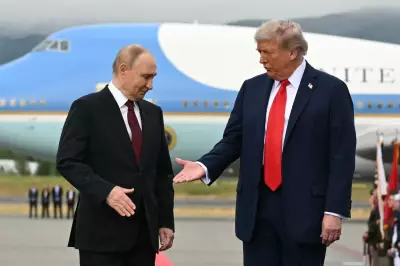
Internationally, former US President Donald Trump has criticised the UK's stance on the conflict. On his Truth Social platform, he alleged that the UK and other nations are facing jet fuel shortages due to the Strait of Hormuz blockade, a claim disputed by industry body Airlines UK. Trump suggested that these countries should secure the strait themselves or purchase fuel from the United States.
Future Energy Price Projections
Despite the current price cap reduction, energy analysts warn of potential increases ahead. Cornwall Insight predicts that Ofgem's price cap from July to September could rise to £1,929 for a typical dual-fuel household, an 18% jump equivalent to £288 more than April's cap. This underscores the volatile nature of energy markets amid ongoing geopolitical tensions.
Upcoming Royal Visit and Broader Implications
In related news, Donald Trump announced a "historic state visit" by the King and Queen of the United Kingdom scheduled for April 27-30, which he described as "TERRIFIC!". Such visits are conducted on the advice of the UK government. Additionally, Trump is expected to address the US public on Wednesday evening to provide an update on the war, highlighting the global ramifications of the conflict.
As Sir Keir Starmer prepares to address the nation, the intertwining issues of international diplomacy, energy security, and household finances remain at the forefront of political discourse. The government's ability to navigate these challenges will be crucial in mitigating the cost of living crisis for British families.