Late last year, the Food and Drug Administration quietly removed a webpage warning against dangerous products and therapies that baselessly claim to treat autism, such as raw camel's milk, chelation therapies, and chlorine dioxide. The page, titled 'Be Aware of Potentially Dangerous Products and Therapies that Claim to Treat Autism,' had cautioned about the significant health risks associated with these unproven treatments.
The Department of Health and Human Services, which oversees the FDA, told the BMJ in January that the page was 'retired' during a 'routine clean up' of dated content. An HHS spokesperson said other older articles were also removed. The Independent has asked the FDA if it plans to create a new warning page.
Zoe Gross, a director at the Autistic Self Advocacy Network, told ProPublica: 'It may be an older page, but those warnings are still necessary. People are still being preyed on by these alternative treatments like chelation and chlorine dioxide. Those can both kill people.' The page had warned against 'miracle mineral supplement,' a chlorine dioxide solution that is toxic to humans, and raw camel's milk, which can carry foodborne illnesses.
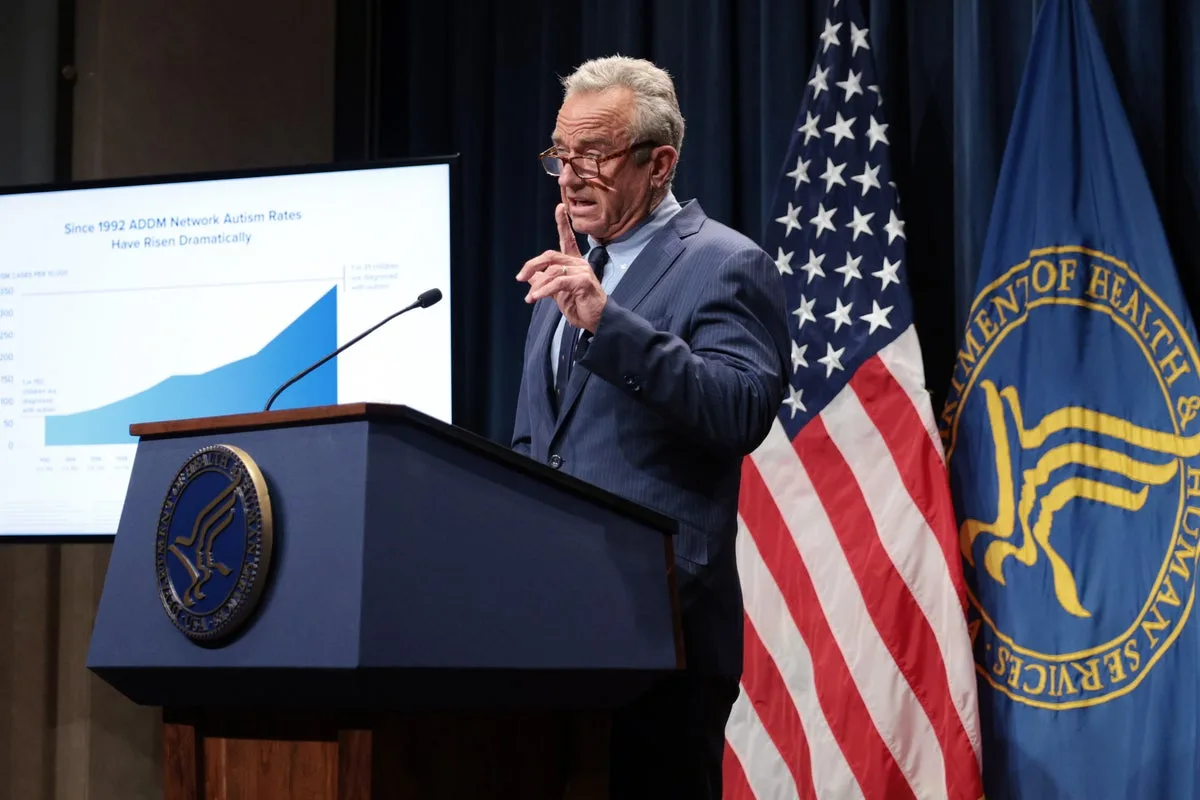
The removal comes amid changes to autism information by HHS Secretary Robert F. Kennedy Jr., who has a history of promoting unproven theories about autism, including linking vaccines to autism. Since becoming secretary, Kennedy has had the department adopt the view that acetaminophen use in pregnancy is linked to autism, a claim doctors reject. The FDA still has a 'health fraud scams' page, but it no longer lists specific autism treatments.