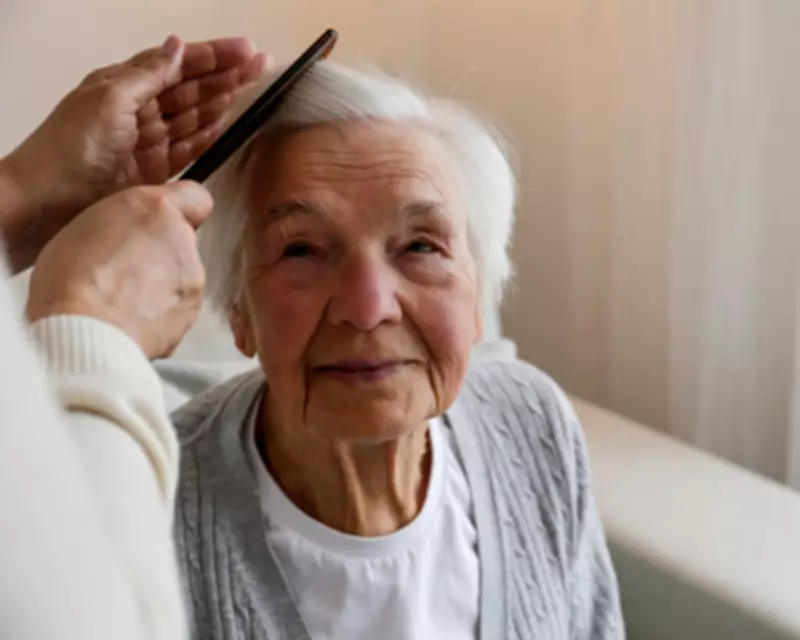
Stephanie Woods has aptly highlighted the immense difficulties faced by individuals tasked with caring for ageing parents who may not have provided adequate care in return. Her insights resonate deeply with many who find themselves in similar predicaments, where familial obligations clash with personal histories of neglect or strained relationships.
The Emotional Dichotomy of Caregiving
For some, caregiving is a profound privilege, a chance to nurture a loved one with whom they share a deep, affectionate bond. However, for others, it becomes a burdensome trap, dictated by a sense of duty or societal pressures to care for someone with whom they lack closeness or mutual respect. This emotional complexity often goes unacknowledged, leaving carers to navigate feelings of resentment, guilt, and isolation alone.
Systemic Shortcomings in Social Care
Frances Lawrence, CEO of Dementia Carers Count, emphasises the urgent need for reforms in how social care is funded and delivered. Without adequate support, many unpaid family carers feel they have no alternative but to continue providing care, even when it becomes overwhelming. The reality is stark: if these carers were to cease their daily practical and emotional support for individuals with dementia, the system would descend into chaos. There is a critical shortage of professional home-based carers, care home spaces, and hospital beds, leaving thousands of vulnerable people at risk in their own homes.

Carers persist in their roles, often pushing beyond their limits, grappling with intricate emotions and exhaustion. Lawrence advocates for the fundamental right of every family carer to decide whether they wish to provide care, stressing that society should facilitate easier choices and flexible support levels. Yet, without sufficient funding, resources, and trained professionals, this ideal remains a distant aspiration.
Personal Insights from Lived Experience
Katheryne Schulz, an orphan from Toronto, Canada, shares her firsthand experience of caring for relatives who never reciprocated care. She looked after her grandfather for four years and has supported her autistic uncle for the past 24 years. Schulz offers practical advice based on her journey, underscoring the importance of maintaining personal boundaries.
She advises against bringing relatives into one's home, warning that it can lead to a sense of imprisonment. Instead, she recommends utilising supportive housing options, even if imperfect, to allow carers to focus on advocacy and quality oversight rather than daily chores. By delegating tasks like cooking, cleaning, and personal care to paid professionals, carers can preserve their own well-being and freedom.
Schulz also stresses the necessity of rejecting abuse or cruelty, advocating for carers to walk away if such situations arise. Furthermore, she challenges traditional gender roles, urging that caregiving responsibilities should not fall disproportionately on women. Men who fail to contribute should not expect to receive time and energy from others, she asserts, distinguishing between genuine caregiving and self-destructive martyrdom.
The Broader Implications for Society
This discussion extends beyond individual stories to touch on broader themes of ageing, family dynamics, and social care infrastructure. As populations age globally, the demand for caregiving will only intensify, making it imperative to address these systemic and emotional challenges. Without comprehensive reforms, the burden on unpaid carers will continue to grow, potentially leading to widespread burnout and compromised care quality.
In conclusion, while caregiving can be a rewarding endeavour for some, it is fraught with complexities for many others. Empowering carers with choice, support, and respect is essential to building a more sustainable and compassionate care system. As society evolves, so too must our approaches to supporting those who dedicate their lives to caring for others.