From Suspected Endometriosis to Stage 4 Cancer: A Young Woman's Medical Odyssey
Tamara Mulley, a 29-year-old woman, received a devastating stage 4 cholangiocarcinoma diagnosis after her symptoms were initially mistaken for endometriosis. Doctors told her she had "two years to live" in January 2024, but she defied that prognosis last month, using her experience to raise awareness about this rare and aggressive cancer.
A Lengthy Wait and Worsening Symptoms
In February 2023, Tamara was referred to a gynaecologist after reporting bloating and hip pain, which medical professionals believed pointed to "something like endometriosis." The appointment came with a staggering 10-month waiting period. During this prolonged delay, her health deteriorated significantly.
"It wasn't until December of 2023 that I got a really bad cough and the symptoms from that really floored me, more than I'd ever been impacted by a cough before," Tamara recounted. She experienced severe fatigue, breathlessness, and weight loss, prompting an emergency visit where an X-ray revealed a concerning "little shadow."

The Shocking Diagnosis and Grim Prognosis
On December 23, 2023, further scans confirmed stage 4 cholangiocarcinoma, with cancer spread to her hip, spine, collarbone, lungs, and liver. "When I saw [the scans], it lit up like a Christmas tree. It was just kind of everywhere," she said. A subsequent biopsy identified the cancer's origin in her bile duct.
During a January 2024 consultation, Tamara learned the disease was incurable. She was starkly informed, "you'll be lucky if you're sitting here in two years." This prognosis came despite her displaying only two of the NHS-listed main symptoms: weight loss and fatigue.
Treatment Journey and Defying Expectations
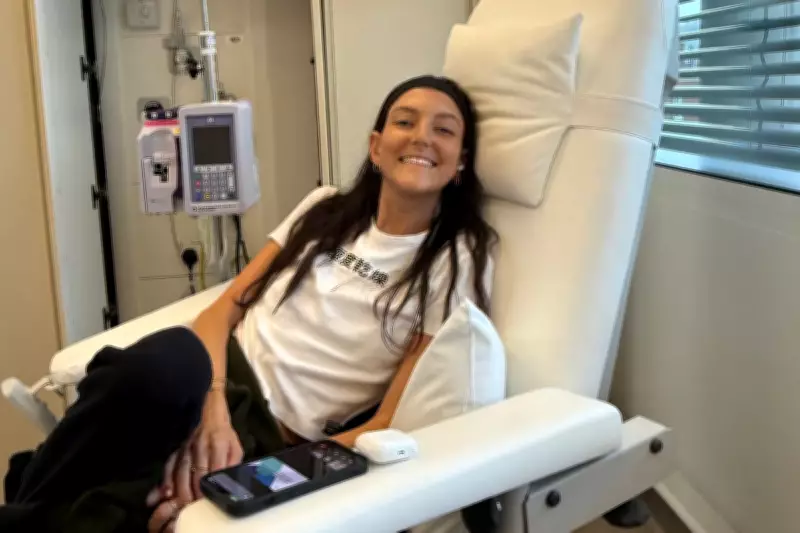
Tamara began with immunotherapy and chemotherapy, responding well enough to extend treatment to 15 rounds. Although she required blood transfusions for severe fatigue, she maintained her hair and continued working and socialising. When chemotherapy ceased to be effective, she enrolled in a clinical trial called First-308, a targeted therapy that has begun shrinking some tumours.
"Passing that two-year mark was a real moment for me and one that I'm really proud of achieving," Tamara stated. "It goes to show that, although there's still a huge amount of work to be done with cholangiocarcinoma – because it's under-researched and underfunded – there is hope."
Advocacy and Systemic Challenges
Tamara is now supported by AMMF, the UK's only charity dedicated to cholangiocarcinoma research. She highlights that two-thirds of patients in England receive no cancer treatment, often due to late-stage diagnoses. "Too many people with cholangiocarcinoma are diagnosed when it's already stage four, and at that point it is too late," she emphasised.
She will join AMMF at the House of Commons for a Rethink Liver Cancer meeting, advocating for earlier detection and better treatment access. "I'm really passionate that anyone who gets diagnosed with this in the future is not essentially handed a death sentence," Tamara asserted, underscoring the need for timely medical intervention.