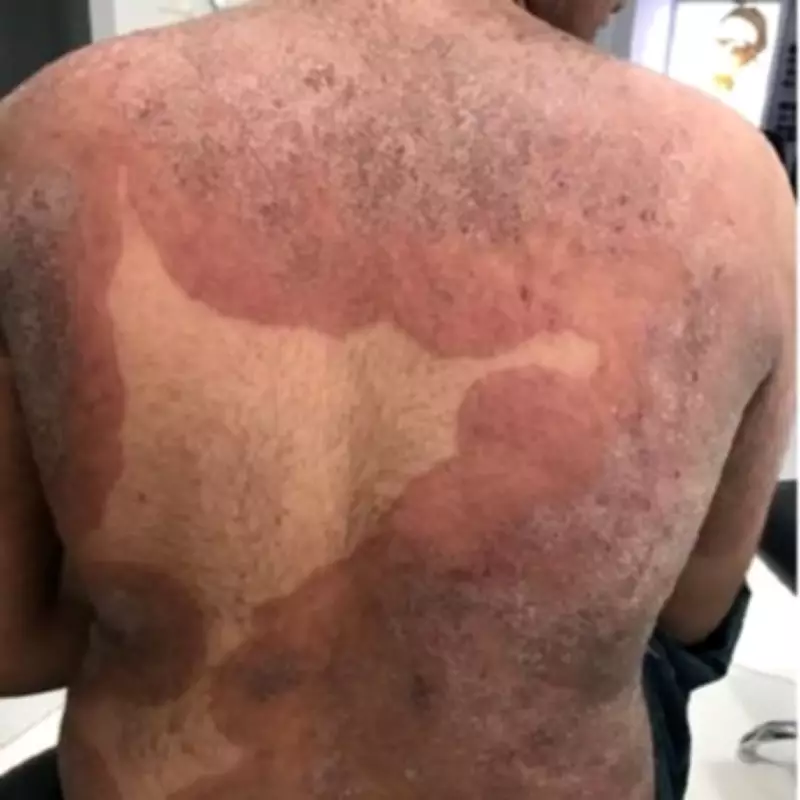
UK Health Experts Issue Warning Over Drug-Resistant Fungal Infection
Health authorities in the United Kingdom are on high alert following warnings from medical experts that a highly contagious and drug-resistant strain of fungal ringworm may be silently spreading across the country. This alarming development comes as cases of the specific variant, known as trichophyton mentagrophytes type VII (TMVII), have already been documented in New York, indicating potential global transmission.
Understanding the Threat: Trichophyton Mentagrophytes Type VII
The fungal infection in question, trichophyton mentagrophytes type VII, is a particularly concerning variant due to its resistance to conventional antifungal treatments. Ringworm, despite its name, is not caused by a worm but by a fungus that infects the skin, scalp, or nails, leading to itchy, red, circular rashes. The TMVII strain has been flagged for its highly contagious nature, which facilitates rapid person-to-person spread through direct contact or contaminated surfaces.
Experts emphasize that the silent spread of this fungus in the UK could pose significant public health challenges. Without effective drug treatments, managing outbreaks becomes increasingly difficult, potentially leading to prolonged infections and higher transmission rates within communities. The situation is compounded by the fact that initial symptoms might be mild or mistaken for other skin conditions, delaying diagnosis and containment efforts.

Global Context and UK Preparedness
The emergence of TMVII in New York has served as a critical wake-up call for health systems worldwide, including the UK. Medical professionals are urging increased vigilance and enhanced surveillance to detect any early cases. Preventive measures, such as maintaining good personal hygiene, avoiding sharing personal items like towels or clothing, and promptly seeking medical advice for suspicious skin lesions, are being recommended to curb potential spread.
While the exact extent of the fungus's presence in the UK remains unclear, the warnings highlight the ongoing risks posed by antimicrobial resistance in fungal pathogens. Health officials are reportedly reviewing protocols and considering public awareness campaigns to educate the population about the signs and risks associated with this drug-resistant strain.
As this remains a developing story, further updates are expected as more information becomes available from health monitoring agencies and research institutions. The public is advised to stay informed through official health channels and report any concerns to healthcare providers.