Medical Experts Deliver Verdict on Prince Baelor's Fatal Wound in 'A Knight Of The Seven Kingdoms'
Viewers of the Game of Thrones prequel series A Knight Of The Seven Kingdoms were left heartbroken after witnessing the brutal demise of fan-favourite character Prince Baelor 'Breakspear' Targaryen. The prince met his end during a trial-by-combat when his brother Maeker struck him in the back of the head with a mace, leading to a catastrophic injury. Now, trauma surgeons and neurologists have provided a detailed medical analysis, revealing whether, against all odds, Baelor could have possibly survived the ordeal.
The Fatal Blow and Its Immediate Aftermath
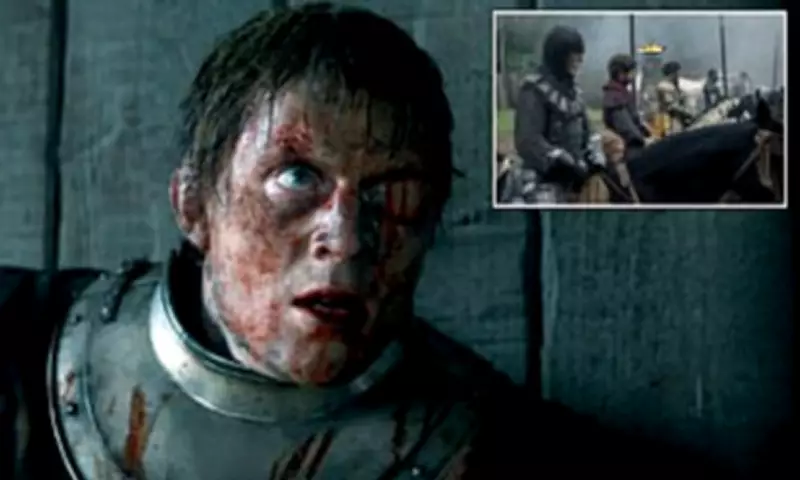
In the climactic moments of the latest episode, Prince Baelor sustained a mortal wound despite continuing to fight. After the melee concluded, he began exhibiting severe neurological symptoms, slurring his words and stating, 'My fingers... fingers feel like wood.' As he requested assistance removing his crushed and dented helmet, the true extent of the damage became horrifyingly apparent.
Once the helmet was removed, Baelor revealed a gaping wound at the back of his head, with his skull split open and brain tissue exposed. Within mere seconds, he collapsed and died in the arms of the show's protagonist, Duncan. This shocking scene ignited fervent discussion among distressed fans on social media, with many debating whether improved medical care could have saved the prince's life.

Medical Analysis: A 'Killing Blow' in Any Era
Dr. David Shapiro, a trauma surgeon at Hartford Healthcare in Connecticut and a fan of the series, delivered a stark prognosis. 'A blow sustained like that is a killing blow in any setting,' he explained. 'Even with modern helmets, a blow that deforms the helmet still impacts the skull, resulting in an injury to the brain.' Upon viewing the scene, Shapiro identified a severe crush injury.
He elaborated that the massive damage to Baelor's skull would have caused significant internal bleeding, leading to lethal pressure on the brain. Additionally, the prince may have suffered a spinal cord injury, impeding blood flow to the brain and contributing to his dizziness. The combination of these factors made survival virtually impossible given the medical capabilities of the show's historical setting.
The Role of Adrenaline and the Helmet
Remarkably, Baelor remained functional long enough to finish the trial and stagger from the field. Dr. Shapiro attributed this to adrenaline, the body's natural 'fight-or-flight' hormone, which can temporarily boost strength, block pain signals, and sustain function even after catastrophic injury. 'I've seen people dripping blood and brains for 20 to 25 minutes reach my trauma room but yet still able to express themselves for a short while before succumbing,' he noted.
Baelor's helmet played a critical, albeit temporary, role. It acted as a splint, holding his skull together and slowing the rate of bleeding. 'When the helmet is released, the bleeding starts steadily, causing a significant increase in pressure on the brain, likely the brainstem, resulting in pressure on the brainstem, eliminating consciousness,' Shapiro explained. This sudden pressure surge upon removal caused his rapid collapse.
Could Modern Medicine Have Made a Difference?
Fans speculated whether keeping the helmet on and providing careful treatment could have altered the outcome. However, Dr. Shapiro was unequivocal: 'This injury, in that age, was not survivable even with measures taken then. The helmet didn't save him, just delayed the inevitable.' Even in an ideal modern scenario, survival would have been extremely unlikely.
Dr. Jeremy Liff, a neurologist at Northwell Lenox Hill in New York City, outlined modern protocols. Emergency neurosurgery to drain the hematoma and relieve pressure, along with surgical repair of the skull, would be necessary. 'We have the ability if a patient is gotten to soon enough to do emergency neurosurgery and drain the hematoma which has collected,' he stated. However, timing is critical, as pressure on vital brain structures can cause death very quickly.

The severity of Baelor's injury, with direct brain exposure and massive skull damage, would have required immediate, advanced intervention. The show's fantasy setting offers narrative possibilities, but medically, his chances were grim.
A Costly Mistake: The Borrowed Armor
Compounding the tragedy was a pivotal error: Baelor borrowed his son's armor, not expecting to fight. This meant his helmet was slightly too small and made of weaker steel than his own. Dr. Shapiro suggested a too-small helmet could have further restricted blood flow, increasing intracranial pressure. Had he worn his own, stronger helmet, the damage might have been less severe—perhaps a repairable fracture without direct brain injury.
In the Game of Thrones universe, less serious injuries like closed skull fractures or minor brain bleeds could be survivable. But for Baelor, the combination of a brutal weapon, inadequate protection, and the era's medical limitations sealed his fate. The medical consensus is clear: Prince Baelor Targaryen was, tragically, a dead man walking from the moment the mace struck.